


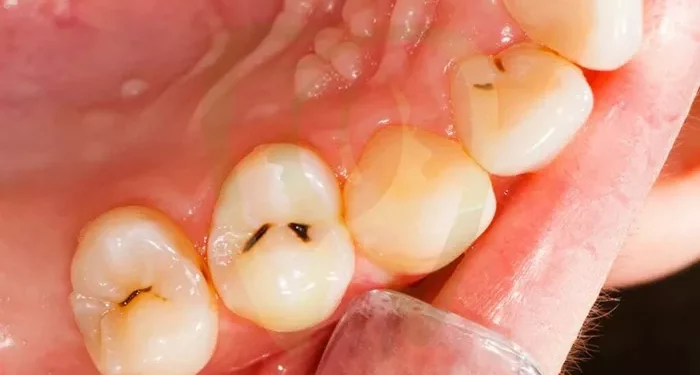
Discovering that your teeth are decaying from the inside can be particularly alarming because this type of damage often progresses silently until significant destruction has occurred. Unlike surface cavities that are easily visible, internal tooth decay presents unique diagnostic and treatment challenges. As a dental professional, I frequently encounter patients puzzled by this phenomenon. This comprehensive article will explain the causes, symptoms, and solutions for internal tooth decay.
Understanding Internal Tooth Decay
How Internal Decay Differs From Surface Cavities
Key distinctions include:
AI Call Centers Are Quietly Rewriting SupportGoodreturns | SponsoredSponsored Learn More
- Originates within the tooth structure
- May show little to no external signs
- Often detected on dental X-rays
- Progresses toward the tooth surface
- Frequently causes sudden symptoms when advanced
The Anatomy of a Tooth
To understand internal decay, we must first examine tooth layers:
Frankfurt Am Main: AI Call Centers Explained [Learn more]Goodreturns | SponsoredSponsored Learn More
- Enamel: Hard outer protective shell
- Dentin: Softer, sensitive layer beneath enamel
- Pulp: Innermost chamber containing nerves and blood vessels
Primary Causes of Internal Tooth Decay
Cracked Tooth Syndrome
Hidden dangers of microfractures:
If Your Dog Does This, Here’s What It Means5minstory.com | SponsoredSponsored
- Microscopic cracks allow bacterial entry
- Often invisible to naked eye
- Common in teeth with large fillings
- Frequently caused by chewing hard objects
Trauma-Induced Internal Resorption
Post-injury complications:
- Damaged blood supply to tooth
- Inflammatory response within tooth
- Body’s cells mistakenly attack dentin
- May occur months or years after injury
Deep Existing Fillings
Risk factors for internal decay:
- Close proximity to pulp chamber
- Microscopic gaps at filling edges
- Age of older amalgam fillings
- Recurrent decay beneath restorations
Developmental Defects
Structural vulnerabilities:
- Enamel hypoplasia (thin enamel)
- Dentinogenesis imperfecta
- Faulty enamel formation
- Genetic conditions affecting tooth structure
The Biological Process of Internal Decay
Bacterial Invasion Pathways
How bacteria penetrate tooth interiors:
- Through dentinal tubules (microscopic channels)
- Along filling margins
- Via blood supply (rare)
- Through microscopic cracks
Internal Demineralization
What happens inside the tooth:
- Bacteria multiply in dentin
- Acid byproducts dissolve mineral structure
- Creates hollow areas within tooth
- Weakens overall tooth integrity
Pulp Chamber Infection
Advanced stage consequences:
- Bacteria reach nerve tissue
- Causes painful pulp inflammation
- Leads to pulp necrosis (death)
- May form abscess at root tip
Identifying Internal Tooth Decay
Common Symptoms
Warning signs to watch for:
- Unexplained tooth pain or sensitivity
- Discoloration (grayish or dark yellow hue)
- Pain that lingers after stimuli removed
- Intermittent spontaneous pain
- Sensitivity to pressure or biting
Diagnostic Methods
Dental detection techniques:
- Bitewing and periapical X-rays
- Transillumination (special light testing)
- Laser fluorescence devices
- Cone beam CT scans for 3D imaging
- Electric pulp vitality testing
Visual Clues During Examination
What dentists look for:
- Dark shadows beneath intact enamel
- Unusual tooth discoloration
- Crack lines on tooth surface
- Existing large fillings
- Changes in tooth translucency
High-Risk Groups for Internal Decay
Older Adults
Age-related risk factors:
- Brittle teeth more prone to cracks
- Multiple existing large fillings
- Receding gums exposing vulnerable areas
- Medications causing dry mouth
Teeth Grinders (Bruxers)
Damage mechanisms:
- Constant pressure causes microfractures
- Enamel wear exposes dentin
- Jaw clenching stresses tooth structure
- Often occurs during sleep unconsciously
Previous Dental Trauma Patients
Long-term effects to monitor:
- May take years to manifest
- Can affect apparently healed teeth
- Requires long-term follow-up
- Particularly affects front teeth
People with Genetic Conditions
Inherited risk factors:
- Dentin dysplasia
- Amelogenesis imperfecta
- Vitamin D-resistant rickets
- Ehlers-Danlos syndrome
Treatment Options for Internal Decay
Early Intervention Approaches
Conservative treatments for mild cases:
- High-fluoride therapies to strengthen tooth
- Remineralizing agents like CPP-ACP
- Sealants over microscopic cracks
- Bite adjustments to reduce stress
Restorative Solutions
Common procedures for moderate cases:
- Dental crowns to protect weakened teeth
- Inlays/onlays for large internal cavities
- Pulp capping for minimally exposed nerves
- Root canal therapy for infected pulp
Advanced Cases Management
Solutions for severe damage:
- Root canal treatment to remove infection
- Apicoectomy (root tip surgery)
- Tooth extraction when non-restorable
- Dental implants or bridges after extraction
Preventing Internal Tooth Decay
Protective Dental Care
Essential preventive practices:
- Custom night guards for grinders
- Regular checkups every 6 months
- Bitewing X-rays annually
- Prompt treatment of cracks/chips
Dietary Modifications
Helpful nutritional changes:
- Reduce acidic food/drink consumption
- Limit frequent snacking
- Increase calcium-rich foods
- Drink plenty of water daily
Home Care Improvements
Better oral hygiene routines:
- Soft-bristled toothbrushes
- Fluoride or nano-hydroxyapatite toothpaste
- Gentle flossing techniques
- Alcohol-free fluoride mouthwash
Special Considerations
Pediatric Internal Decay
Children’s unique risks:
- Nursing bottle caries pattern
- Developmental enamel defects
- Trauma from falls and accidents
- Thinner enamel structure
Management of Genetic Conditions
Specialized care approaches:
- Early and frequent dental visits
- Protective sealants on all teeth
- Custom fluoride programs
- Specialized restorative materials
When to Seek Emergency Care
Urgent Symptoms
Require immediate dental attention:
- Severe spontaneous pain
- Visible tooth darkening progressing quickly
- Swollen gums or facial swelling
- Pus discharge from tooth area
- Fever accompanying tooth pain
High-risk Situations
Special concerns needing prompt care:
- Compromised immune systems
- Pre-existing heart conditions
- Prior radiation therapy to head/neck
- Organ transplant recipients
Long-term Monitoring Strategies
Follow-up Protocols
Recommended schedule:
- Every 3-6 months for high-risk patients
- Annual X-rays for problem teeth
- Regular pulp vitality testing
- Photographic records for comparison
Patient Self-checks
At-home monitoring between visits:
- Watch for color changes using mirror
- Note new sensitivity patterns
- Check for cracks or rough edges
- Monitor gum health around suspect teeth
Emerging Technologies in Detection
Advanced Imaging Techniques
New diagnostic tools:
- Digital subtraction radiography
- Optical coherence tomography
- Ultrasound tooth imaging
- Infrared fluorescence devices
Biomarker Testing
Future diagnostic possibilities:
- Salivary bacterial load testing
- Inflammatory marker detection
- Genetic predisposition screening
- Oral microbiome analysis
Conclusion
Internal tooth decay presents unique challenges because it often progresses silently until significant damage has occurred. Unlike surface cavities that are easily visible, this type of decay requires professional diagnostic tools for early detection. Understanding the causes – from tooth cracks and trauma to genetic factors – is the first step in prevention.
The key to managing internal decay lies in regular dental checkups with appropriate X-rays, prompt treatment of any dental trauma, and protective measures for high-risk patients. With modern dental techniques, even teeth with internal decay can often be saved and restored to full function. Don’t ignore subtle warning signs like unexplained tooth sensitivity or slight color changes – early intervention makes all the difference in preserving your natural teeth. By understanding these internal decay processes and maintaining vigilant dental care, you can protect your teeth from this insidious form of damage.