


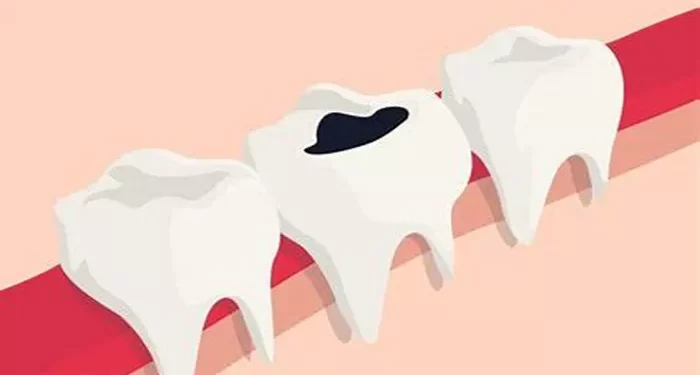
Front tooth decay can be particularly distressing because these teeth are highly visible when we smile, speak, and interact with others. Unlike molars that frequently develop cavities in their grooves, front teeth decay for different reasons that many patients find surprising. This comprehensive guide examines why front teeth decay occurs, how to prevent it, and what treatment options can restore your smile.
Unique Vulnerabilities of Front Teeth
Anatomical Differences
Front teeth have distinct features:
- Thinner enamel than back teeth
- No deep grooves or pits
- Smooth surfaces that should be easier to clean
- More visible staining when decay begins
Functional Stresses
Special pressures on front teeth:
- Biting into foods first
- Potential trauma from accidents
- Often used for non-chewing tasks
- Subject to excessive forces in some bite patterns
Common Causes of Front Tooth Decay
Acid Erosion
Primary erosive factors:
- Frequent soda or citrus consumption
- Acid reflux disease (GERD)
- Swimming pool chlorine exposure
- Bulimia or frequent vomiting
- Some medications lowering mouth pH
Poor Oral Hygiene Habits
Specific problematic behaviors:
- Brushing too hard causing gum recession
- Skipping flossing between tight contacts
- Rushing through brushing front teeth
- Not cleaning along gumlines properly
Dry Mouth Conditions
How saliva protects front teeth:
- Neutralizes acids from drinks/foods
- Washes away staining particles
- Provides calcium for remineralization
- Contains antibacterial compounds
Common dry mouth causes:
- Many prescription medications
- Mouth breathing habits
- Dehydration
- Certain medical conditions
High-Risk Groups for Front Tooth Decay
Children and Teens
Youth-specific risks:
- Prolonged bottle or sippy cup use
- Difficulty brushing front teeth properly
- High sugar drink consumption
- Orthodontic appliances trapping plaque
Older Adults
Age-related factors:
- Gum recession exposing roots
- Multiple medications causing dry mouth
- Existing dental work breaking down
- Dexterity challenges affecting cleaning
People with Certain Habits
Risk-increasing behaviors:
- Frequent snacking or sipping sweet drinks
- Using teeth as tools (opening packages)
- Nail biting or pen chewing
- Tobacco use of any kind
Recognizing Front Tooth Decay
Early Warning Signs
Initial indicators:
- White chalky spots near gums
- Rough texture when tongue touches teeth
- New sensitivity to cold or sweets
- Slight discoloration at tooth edges
Advanced Symptoms
Later stage signs:
- Visible holes or pits
- Brown or black staining
- Chipped or broken edges
- Pain when biting or drinking
Diagnostic Methods
Dental detection techniques:
- Visual examination with good lighting
- Tactile exploration with dental probe
- Bitewing X-rays for proximal surfaces
- Laser fluorescence devices
- Transillumination with special light
Prevention Strategies for Front Teeth
Optimal Brushing Technique
Proper front tooth cleaning:
- Use soft-bristled brush at 45° angle
- Gentle circular motions
- Focus on gumline areas
- Clean tongue side thoroughly
- Two minutes total brushing time
Essential Flossing Methods
For tight front tooth contacts:
- Use waxed floss or tape
- Curve around each tooth
- Slide gently beneath gumline
- Consider floss threaders if needed
Protective Products
Recommended items:
- Fluoride toothpaste (1450ppm+)
- Alcohol-free fluoride mouthwash
- Remineralizing gels (CPP-ACP)
- Xylitol gum after meals
Treatment Options for Decayed Front Teeth
Early Stage Interventions
Conservative approaches:
- Fluoride varnish applications
- Resin infiltration for white spots
- Microabrasion for superficial stains
- Icon minimally invasive treatment
Restorative Treatments
Common procedures:
- Tooth-colored composite fillings
- Veneers for multiple affected teeth
- Crowns for extensively damaged teeth
- Bonding to repair chipped edges
Advanced Cases
Severe damage solutions:
- Root canal therapy when needed
- Post and core buildups
- Extraction with implant or bridge
- Full mouth rehabilitation if widespread
Special Considerations
Children’s Front Teeth
Pediatric-specific concerns:
- Baby bottle tooth decay patterns
- Trauma from falls common
- Thinner primary tooth enamel
- Importance of parental supervision
Cosmetic Priorities
Aesthetic challenges:
- Matching natural tooth color
- Maintaining proper shape
- Preserving natural translucency
- Ensuring symmetrical appearance
When to Seek Emergency Care
Urgent Situations
Require immediate attention:
- Severe spontaneous pain
- Visible pulp exposure
- Swelling of gums or face
- Trauma causing tooth mobility
- Sudden tooth darkening
High-Risk Cases
Special concerns:
- Compromised immune systems
- Heart condition patients
- Pregnancy with active decay
- Prior radiation therapy
Long-Term Maintenance
Ongoing Care Schedule
Recommended visits:
- Professional cleanings every 6 months
- Fluoride treatments as needed
- Annual bitewing X-rays
- Regular photographic monitoring
Home Monitoring
Self-check guidelines:
- Watch for new discoloration
- Note changes in sensitivity
- Check for rough edges
- Monitor gum recession
Emerging Treatment Options
Innovative Materials
New developments:
- Bioactive composite resins
- CAD/CAM same-day restorations
- Nanofilled dental materials
- Self-healing polymers
Preventive Advances
Future possibilities:
- Peptide-enabled remineralization
- Smart materials releasing calcium
- Genetic testing for decay risk
- Probiotic replacement therapies
Conclusion
Front tooth decay stems from unique causes that differ from back tooth cavities, often involving erosion, trauma, and specific hygiene challenges. The good news is that modern dentistry offers numerous solutions – from minimally invasive treatments for early decay to advanced restorative options for severely damaged teeth. Prevention remains the best approach through proper cleaning techniques, dietary modifications, and regular professional care.
By understanding why your front teeth are particularly vulnerable and implementing targeted protective strategies, you can maintain a healthy, confident smile. Remember that early intervention leads to simpler, more conservative treatments, so don’t delay seeking professional care if you notice any signs of front tooth decay. With proper care and maintenance, your front teeth can remain strong and beautiful for years to come.