


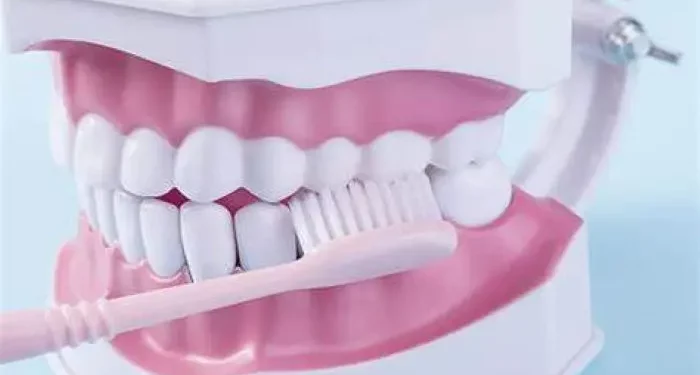
Dental health is a crucial aspect of overall well-being, yet many people overlook the importance of regular dental check-ups and proper oral hygiene. One common dental issue that can lead to significant discomfort is a cavity. While most individuals are aware that cavities can cause toothache, many may not realize that they can also lead to jaw pain. This article explores the intricate relationship between cavities and jaw pain, delving into the causes, symptoms, treatment options, and preventive measures.
What Are Cavities?
Definition and Formation
Cavities, also known as dental caries, are areas of decay on the tooth surface caused by the demineralization of enamel. This process occurs when bacteria in the mouth produce acids that erode the tooth structure. Factors contributing to cavity formation include:
Poor oral hygiene
High sugar intake
Lack of fluoride
Dry mouth
Certain medical conditions
Types of Cavities
Cavities can be classified into several types based on their location:
Pit and Fissure Cavities: Found on the chewing surfaces of molars and premolars.
Smooth Surface Cavities: Occur on the flat surfaces of teeth, typically between teeth.
Root Cavities: Develop on the roots of teeth, often due to gum recession.
The Anatomy of Jaw Pain
Understanding Jaw Pain
Jaw pain, or temporomandibular joint disorder (TMJ), can arise from various factors, including:
Teeth grinding (bruxism)
Arthritis
Injury
Misalignment of teeth or jaw
Symptoms of Jaw Pain
Common symptoms associated with jaw pain include:
Discomfort or pain in the jaw joint
Difficulty chewing or biting
Clicking or popping sounds when moving the jaw
Headaches or earaches
How Cavities Can Lead to Jaw Pain
Direct Connection Between Cavities and Jaw Pain
Infection Spread: When a cavity progresses, it can lead to tooth infection (abscess), which may cause inflammation and pain that radiates to the jaw.
Referred Pain: The nerves in the mouth and jaw are interconnected. Pain from a cavity can be perceived as jaw pain due to this nerve connection.
Muscle Tension: Discomfort from a cavity can lead to muscle tension in the jaw as individuals unconsciously clench their teeth, further exacerbating pain.
Case Studies and Clinical Evidence
Numerous case studies highlight the correlation between untreated cavities and jaw pain. In many instances, patients presenting with jaw discomfort were found to have underlying cavities that required treatment. Clinical evidence suggests that addressing the dental issue often alleviates the associated jaw pain.
Diagnosing Cavities and Jaw Pain
Dental Examination
A comprehensive dental examination is essential for diagnosing cavities. Dentists typically use:
Visual inspection
X-rays to assess the extent of decay
Probing to check for soft spots on teeth
Differential Diagnosis
It is crucial to differentiate between jaw pain caused by cavities and other potential causes, such as TMJ disorders or sinus issues. A thorough medical history and physical examination are vital in making an accurate diagnosis.
Treatment Options for Cavities and Jaw Pain
Managing Cavities
Fillings: The most common treatment for cavities involves removing the decayed portion of the tooth and filling it with materials such as composite resin, amalgam, or glass ionomer.
Root Canals: If the cavity has progressed to the pulp of the tooth, a root canal may be necessary to remove the infected tissue.
Crowns: For extensive decay, a crown may be placed over the tooth to restore its shape and function.
Alleviating Jaw Pain
Pain Management: Over-the-counter pain relievers, such as ibuprofen or acetaminophen, can help manage discomfort.
Physical Therapy: Exercises focusing on jaw mobility and relaxation techniques can alleviate muscle tension.
Dental Splints: For those who grind their teeth, a dental splint can help reduce strain on the jaw joint.
Preventive Measures
Oral Hygiene Practices
Maintaining good oral hygiene is the first line of defense against cavities:
Brush teeth at least twice a day with fluoride toothpaste.
Floss daily to remove plaque between teeth.
Use an antimicrobial mouthwash to reduce bacteria.
Diet and Lifestyle
Limit sugary snacks and beverages.
Stay hydrated to prevent dry mouth.
Avoid tobacco products, which can contribute to gum disease and cavities.
Regular Dental Check-Ups
Regular visits to the dentist for cleanings and examinations are crucial for early detection and prevention of cavities. Dentists can provide fluoride treatments or sealants to protect teeth from decay.
Conclusion
Jaw pain can significantly impact an individual’s quality of life, and its connection to cavities is an important consideration in dental health. Understanding the relationship between cavities and jaw pain can lead to earlier diagnosis and treatment, ultimately improving patient outcomes. By prioritizing oral hygiene and regular dental visits, individuals can minimize their risk of developing cavities and the associated discomfort of jaw pain.
In summary, while cavities are a common dental issue, they can have far-reaching effects beyond the tooth itself. Recognizing the signs and symptoms, seeking timely treatment, and adopting preventive measures are essential steps in maintaining both dental and overall health.
Related topics:
How to Fill Silver in Teeth
How to Fix a Filling in Your Tooth
How Quickly Does Tooth Decay Spread
Tags: diseaseteethtooth