


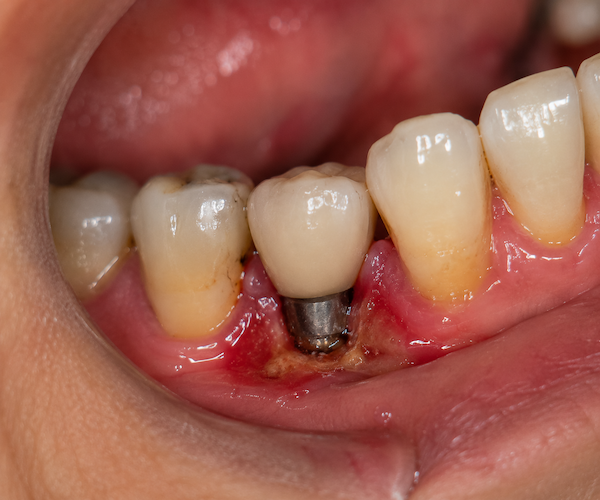
A dental implant can restore your smile, improve chewing function, and help preserve jawbone health. However, some patients notice an unpleasant odor coming from the implant area months or even years after treatment. If you are experiencing a bad smell from dental implant restorations, you may wonder whether the problem is caused by infection, trapped food, or poor oral hygiene.
Fortunately, implant odor is often treatable once the underlying cause is identified. In some cases, the smell results from plaque buildup around the implant. In other situations, it may signal peri-implantitis, a condition that affects the tissues surrounding the implant.
This guide explains why implant odors occur, how to recognize warning signs, and what steps you can take to protect your oral health.
What Causes a Bad Smell Around a Dental Implant?
A healthy dental implant should not produce any noticeable odor. Therefore, if you detect a foul smell, there is usually an underlying reason.
Common causes include:
- Food debris trapped around the implant
- Poor brushing and flossing habits
- Plaque and tartar accumulation
- Gum inflammation
- Peri-implant mucositis
- Peri-implantitis
- Loose implant crowns
- Improper implant restoration design
Because bacteria thrive in hidden spaces, even small gaps around an implant can create unpleasant smells over time.
Moreover, bacteria release sulfur compounds as they break down food particles. These compounds often create the same odor associated with bad breath.
How Food Traps Around Dental Implants Create Odor
Food entrapment is one of the most common reasons patients notice a smell around an implant.
Several factors contribute to this issue:
Large Contact Gaps
If there is too much space between teeth, food can become lodged around the implant.
Poor Crown Shape
An oversized or poorly designed crown may create areas that are difficult to clean.
Inadequate Cleaning
Even a well-placed implant requires daily maintenance.
Food debris often accumulates in:
- Interdental spaces
- Areas beneath implant crowns
- Gum pockets
- Implant-supported bridges
As a result, bacteria multiply and generate unpleasant odors.
Fortunately, improving oral hygiene often resolves the problem before it progresses.
Understanding Peri-Implant Mucositis
Peri-implant mucositis is the implant equivalent of gingivitis.
This condition affects the soft tissues surrounding the implant but does not yet damage the supporting bone.
Common symptoms include:
- Red gums
- Swollen tissues
- Bleeding during brushing
- Mild discomfort
- Bad taste in the mouth
- Implant odor
The good news is that peri-implant mucositis is reversible when treated early.
Therefore, patients should never ignore persistent odor around an implant.
When a Bad Smell May Indicate Peri-Implantitis
Peri-implantitis is a more serious condition.
Unlike mucositis, peri-implantitis affects both the gums and the surrounding bone.
Without treatment, it can eventually threaten implant stability.
Warning signs include:
- Persistent bad smell
- Pus around the implant
- Gum recession
- Bleeding
- Swelling
- Pain when chewing
- Loose implant crown
- Bone loss visible on X-rays
Because peri-implantitis progresses gradually, many patients notice odor before they experience pain.
Consequently, a foul smell should never be ignored.
Early diagnosis often leads to better treatment outcomes.
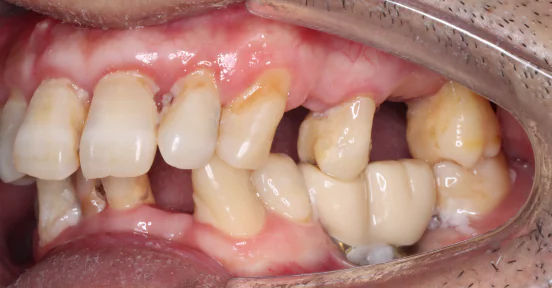
Why Does a Loose Crown Cause Odor?
Sometimes the implant itself remains healthy, but the crown develops a problem.
A loose crown can create tiny gaps where:
- Food particles accumulate
- Saliva stagnates
- Bacteria grow rapidly
As bacteria multiply, unpleasant smells become noticeable.
Additional signs may include:
- Clicking sensations
- Food packing
- Slight movement
- Difficulty chewing
In these situations, your dentist may simply need to adjust or replace the crown.
Therefore, not every implant odor means the implant is failing.
The Role of Oral Hygiene in Implant Success
Dental implants cannot develop cavities, but bacteria can still damage surrounding tissues.
For this reason, implant maintenance is essential.
Daily cleaning should include:
Brushing Twice Daily
Use a soft-bristled toothbrush.
Focus carefully on the gumline.
Cleaning Between Teeth
Interdental brushes work particularly well around implants.
Water Flossers
Many patients find water flossers helpful for removing trapped debris.
Professional Cleanings
Regular dental visits help remove hardened tartar that home care cannot eliminate.
Furthermore, routine maintenance allows dentists to detect early signs of inflammation.
Why Smokers Face Higher Risks
Smoking increases the likelihood of implant complications.
Tobacco use can:
- Reduce blood flow
- Slow healing
- Increase bacterial growth
- Raise implant failure risk
As a result, smokers often experience:
- More inflammation
- Increased plaque buildup
- Persistent implant odor
Therefore, reducing or quitting smoking can significantly improve implant health.
Can Implant Materials Cause Odor?
The implant material itself rarely creates an odor.
Modern implants are typically made from:
- Titanium
- Titanium alloys
- Zirconia
These materials are biocompatible and resistant to bacterial colonization.
However, bacterial buildup on surrounding tissues can still create smells.
Thus, the odor usually comes from bacteria rather than the implant itself.
How Dentists Diagnose the Source of Implant Odor
A professional examination helps determine the exact cause.
Your dentist may:
- Check gum health
- Measure pocket depth
- Examine crown fit
- Assess implant stability
- Take digital X-rays
- Evaluate bone levels
This assessment helps identify whether the problem involves hygiene, crown design, or infection.
As a result, treatment can target the underlying cause instead of merely masking symptoms.
Treatment Options for Implant Odor
The recommended treatment depends on the diagnosis.
Improved Home Care
For mild cases, enhanced brushing and flossing may solve the problem.
Professional Deep Cleaning
Dentists can remove plaque and tartar from hard-to-reach areas.
Antimicrobial Therapy
Special rinses or localized medications may help control bacterial growth.
Crown Adjustment
If food trapping contributes to odor, modifying the crown may improve hygiene access.
Peri-Implantitis Treatment
Advanced cases may require:
- Deep decontamination
- Laser therapy
- Surgical intervention
- Bone regeneration procedures
The earlier treatment begins, the better the prognosis.
How to Prevent Future Implant Odors
Prevention remains the most effective strategy.
Consider the following habits:
- Brush twice daily
- Floss every day
- Use interdental brushes
- Attend routine dental visits
- Avoid smoking
- Address loose restorations promptly
- Follow professional cleaning schedules
Additionally, monitor any changes around the implant area.
If an odor develops, seek professional advice before the problem worsens.
FAQ
How do I tell if my dental implant is infected?
Common signs of implant infection include persistent bad smell, swelling, bleeding gums, redness, pus discharge, discomfort while chewing, and gum recession around the implant. If you notice several of these symptoms together, schedule a dental examination as soon as possible.
How to get rid of denture odor?
Remove and clean dentures daily using a denture brush and approved cleanser. Soak them overnight when recommended. In addition, clean your gums, tongue, and remaining teeth thoroughly. If odor persists, consult your dentist because fungal infections or poor denture fit may contribute to the problem.
Why does my implant screw smell bad after opening?
A foul smell after removing or opening an implant crown often results from trapped food, bacterial buildup, or plaque accumulation around the implant components. In some cases, a loose crown or peri-implant inflammation may also contribute. A professional cleaning and examination can usually identify the exact cause.
Can a dental implant smell years after placement?
Yes. Even implants that have functioned well for years can develop odor if plaque accumulates, oral hygiene declines, or peri-implantitis develops. Regular maintenance helps prevent these issues.
Is implant odor always a sign of failure?
No. Many cases involve food trapping or inadequate cleaning rather than implant failure. However, persistent odor should still be evaluated by a dentist.
Conclusion
Experiencing a bad smell from dental implant restorations can be concerning, but the problem often has a treatable cause. In many cases, trapped food particles, plaque buildup, or insufficient cleaning are responsible. However, persistent odor may also indicate peri-implant mucositis or peri-implantitis.
Therefore, early action is important. Maintaining excellent oral hygiene, attending regular dental checkups, and addressing symptoms promptly can help protect your implant for many years. If you notice a continuing bad smell from dental implant treatment, consult your dentist to identify the source and prevent more serious complications.