


Tooth colored fillings have become increasingly popular in modern dentistry. These fillings, also known as composite or aesthetic fillings, are designed to blend seamlessly with natural teeth. This article will explore what tooth colored fillings are, their benefits, the materials used, the process of getting one, and how to care for them.
Understanding Tooth Colored Fillings
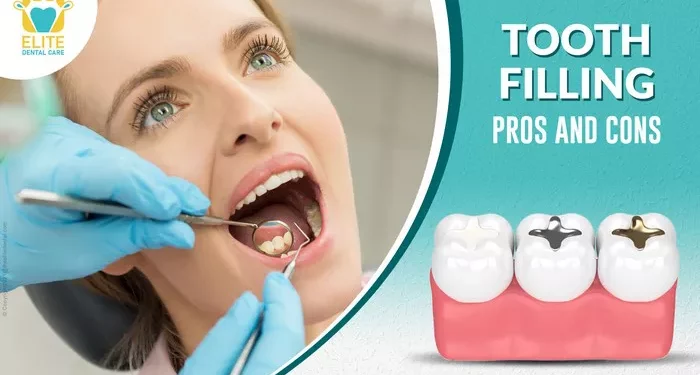
Tooth colored fillings are used to restore teeth that have been damaged by decay, cracks, or fractures. Unlike traditional amalgam fillings, which are metallic in appearance, tooth colored fillings mimic the natural color of teeth. This feature makes them particularly appealing for use in visible areas, such as the front teeth.
Types of Tooth Colored Fillings
There are primarily two types of tooth colored fillings: composite resin fillings and porcelain fillings.
Composite Resin Fillings
Composite resin fillings are made of a mixture of plastic and glass particles. This combination allows the filling to bond well to the tooth structure. Composite fillings can be easily shaped to match the contours of the natural tooth. They are ideal for both front and back teeth, making them a versatile option for various dental issues.
Porcelain Fillings
Porcelain fillings, also known as inlays or onlays, are made of ceramic material. They are custom-made in a dental laboratory and then bonded to the tooth. Porcelain fillings offer excellent aesthetic results and durability, making them suitable for larger restorations. They are often used when more extensive damage is present.
Benefits of Tooth Colored Fillings
Tooth colored fillings offer several advantages over traditional metal fillings. Understanding these benefits can help patients make informed decisions about their dental care.
Aesthetic Appeal
One of the primary benefits of tooth colored fillings is their natural appearance. They can be matched to the color of the surrounding teeth, making them nearly invisible. This aesthetic advantage is particularly important for individuals who want to maintain a natural smile.
Bonding Strength
Composite resin fillings bond directly to the tooth structure. This adhesive property helps to strengthen the tooth and reduce the risk of fractures. The bonding process creates a seal that prevents bacteria from entering the tooth, thereby reducing the likelihood of further decay.
Versatility
Tooth colored fillings are suitable for a wide range of dental issues. They can be used to fill cavities, repair chipped teeth, and improve the appearance of discolored or misshaped teeth. Their versatility makes them a popular choice for both restorative and cosmetic procedures.
Less Tooth Reduction Required
When placing a tooth colored filling, less tooth structure may need to be removed compared to traditional fillings. This conservative approach helps preserve more of the natural tooth, leading to better long-term outcomes.
Low Sensitivity
Patients often experience less sensitivity after receiving tooth colored fillings compared to metal fillings. This comfort level is especially beneficial for individuals who have sensitive teeth or those who are concerned about potential reactions to metals.
The Process of Getting a Tooth Colored Filling
Understanding the process of receiving a tooth colored filling can help ease any concerns patients may have. The procedure typically involves several steps.
1. Initial Consultation
The process begins with an initial consultation with a dentist. During this visit, the dentist will examine the affected tooth, take X-rays if necessary, and discuss treatment options. They will explain the benefits of tooth colored fillings and determine if this option is suitable for the patient’s specific needs.
2. Preparation of the Tooth
Once the decision is made to proceed with a tooth colored filling, the dentist will prepare the tooth. This preparation involves removing any decayed or damaged material from the tooth. The dentist will clean the area to ensure that it is free of debris and bacteria.
3. Application of the Filling
After preparing the tooth, the dentist will apply the composite resin in layers. Each layer is carefully shaped to match the natural contours of the tooth. The dentist will use a special light to harden each layer before adding the next one. This process ensures a strong bond between the filling and the tooth.
4. Final Shaping and Polishing
Once the filling has been applied, the dentist will shape and polish it to achieve a smooth finish. This final step helps ensure that the filling fits comfortably with the patient’s bite. The dentist may ask the patient to bite down to check for proper alignment.
5. Post-Treatment Care
After the procedure, the dentist will provide instructions for post-treatment care. Patients may experience slight sensitivity for a few days, but this usually resolves quickly. It is important to follow the dentist’s recommendations for optimal healing and comfort.
see also: How Long Does Tooth Filling Take to Dry?
Caring for Tooth Colored Fillings
Proper care for tooth colored fillings can help prolong their lifespan and maintain their appearance. Here are some tips for caring for your fillings.
Practice Good Oral Hygiene
Maintaining good oral hygiene is essential for keeping tooth colored fillings in good condition. This includes brushing twice a day with fluoride toothpaste and flossing daily. Good oral hygiene helps prevent plaque buildup, which can lead to decay around the filling.
Avoid Hard Foods
While tooth colored fillings are durable, they can still be damaged by hard foods. Avoid biting down on ice, hard candies, or other tough substances. If you have a habit of grinding your teeth, consider discussing this with your dentist, as it can affect the longevity of your fillings.
Regular Dental Check-ups
Regular dental check-ups are crucial for monitoring the condition of your fillings. During these visits, your dentist can assess the health of your teeth and fillings, address any issues early, and provide professional cleaning.
Limit Staining Foods and Beverages
Tooth colored fillings can stain over time, especially if exposed to certain foods and beverages. Limit consumption of coffee, tea, red wine, and other staining agents. If you do consume these items, rinse your mouth with water afterward to minimize staining.
Be Aware of Changes
Pay attention to any changes in your fillings or teeth. If you notice sensitivity, discomfort, or visible damage to a filling, contact your dentist promptly. Early intervention can help prevent further complications.
Conclusion
Tooth colored fillings offer an effective and aesthetically pleasing solution for restoring damaged teeth. With their natural appearance, strong bonding capabilities, and versatility, they have become a preferred choice for many dental patients. Understanding what tooth colored fillings are, the benefits they provide, and the care required can help individuals make informed decisions about their dental health. If you are considering a tooth colored filling, consult with your dentist to determine the best option for your needs and ensure a beautiful, healthy smile.