


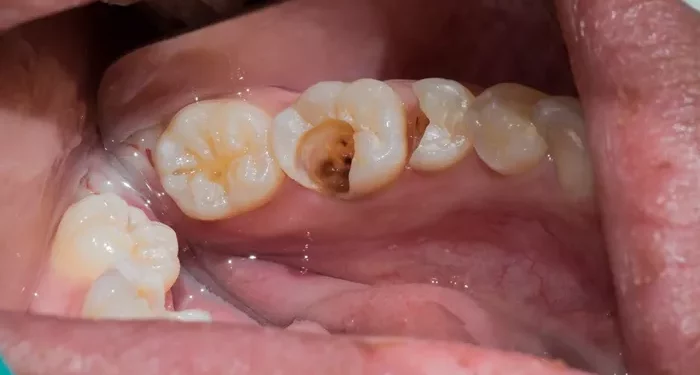
One of the most frequently asked questions in dental care is, “How much does it cost to fix a tooth cavity?” Cavities, also known as dental caries, are a common dental issue affecting many people worldwide. Addressing cavities promptly is essential to prevent further damage and more expensive treatments. The cost of treating a cavity varies based on several factors. This article will delve into the various treatments for cavities, their associated costs, and factors influencing these costs.
Types of Cavity Treatments
1. Fillings
Fillings are the most common treatment for cavities. They involve removing the decayed part of the tooth and filling the empty space with a material. The cost of fillings depends on the type of material used, the size and location of the cavity, and the dentist’s fees.
Composite Fillings
Composite fillings are made of a resin material that matches the color of your natural teeth. They are often used for cavities in visible areas.
Cost:
Average Cost: $90 to $250 per tooth
Factors Affecting Cost: Size of the cavity, location of the tooth, and the dentist’s fees
Color Matching: Composite fillings blend with the natural tooth color, which may increase the cost.
Durability: While aesthetically pleasing, composite fillings may not last as long as other materials, potentially affecting long-term costs.
Amalgam Fillings
Amalgam fillings are made from a blend of metals, including silver, mercury, tin, and copper. They are durable and commonly used for back teeth.
Cost:
Average Cost: $50 to $150 per tooth
Factors Affecting Cost: Size of the cavity, location of the tooth
Durability: Amalgam fillings are known for their strength and longevity, making them cost-effective in the long run.
Aesthetics: They are less visible compared to composite fillings, which may be a consideration for some patients.
Glass Ionomer Fillings
Glass ionomer fillings release fluoride and are used for fillings below the gum line or for children. They are not as durable as other types of fillings but offer some advantages.
Cost:
Average Cost: $70 to $200 per tooth
Factors Affecting Cost: Type of glass ionomer used, size of the cavity
Fluoride Release: Helps in preventing further decay, which can be beneficial for long-term dental health.
Suitability: Often used for less visible areas or temporary fillings.
2. Crowns
Crowns are used when a cavity is too extensive for a simple filling. They cover the entire tooth to restore its shape and function. Crowns can be made from various materials, including metal, porcelain, or a combination of both.
Cost:
Average Cost: $800 to $3,000 per crown
Factors Affecting Cost: Material of the crown (porcelain, metal, or a combination), location of the tooth, and dentist’s fees
Material Choice: Porcelain crowns are more aesthetically pleasing but can be more expensive.
Longevity: Crowns are durable and can last many years, making them a long-term solution.
3. Inlays and Onlays
Inlays and onlays are similar to fillings but are created outside the mouth and then bonded to the tooth. They are used when the damage is too extensive for a filling but not severe enough for a crown.
Cost:
Average Cost: $650 to $1,200 per inlay or onlay
Factors Affecting Cost: Material used (porcelain, composite resin, or gold), size of the cavity
Customization: Custom-made to fit the exact shape of the cavity, which can improve function and appearance.
Durability: Typically more durable than fillings and can last many years.
4. Root Canals
A root canal is necessary when the cavity has reached the tooth’s pulp, the innermost part of the tooth. This procedure involves removing the infected pulp, cleaning the root canals, and sealing them. After a root canal, a crown is often placed on the tooth.
Cost:
Average Cost: $500 to $1,500 per tooth
Factors Affecting Cost: Location of the tooth, complexity of the root canal, and dentist’s fees
Complexity: The cost can increase with the complexity of the root canal procedure.
Follow-Up: Often requires a crown afterward, adding to the total cost.
See Also: How Does a Filling Work
Factors Affecting the Cost
1. Location of the Dentist
The geographic location of your dentist’s office can significantly influence the cost of dental treatments. Urban areas typically have higher dental fees compared to rural areas.
Cost Variation:
Urban Areas: Higher fees due to increased cost of living and overhead expenses.
Rural Areas: Lower fees as a result of reduced overhead costs.
2. Type of Insurance
Dental insurance can affect your out-of-pocket costs for cavity treatment. Most dental insurance plans cover a portion of the cost for fillings, crowns, and other treatments.
Cost Coverage:
Basic Coverage: Often includes coverage for fillings and routine dental care.
Major Coverage: May cover a larger portion of the cost for crowns, inlays, and root canals.
3. Complexity of the Procedure
The complexity of the cavity and the required treatment can influence the cost. More complex cases, such as multiple cavities or severe damage, will typically incur higher costs.
Complexity Factors:
Multiple Cavities: Treatment costs increase with the number of cavities.
Severity: Extensive damage requires more intricate and costly procedures.
4. Dentist’s Experience
The experience and expertise of the dentist can also affect the cost. Highly experienced dentists or specialists may charge more for their services.
Experience Impact:
Specialist Fees: Specialists in areas such as endodontics (root canals) or prosthodontics (crowns) may have higher fees.
Reputation: Experienced dentists with a strong reputation may charge more for their services.
Additional Costs to Consider
1. Diagnostic Costs
Before treating a cavity, diagnostic procedures such as X-rays may be necessary to assess the extent of the decay.
Cost:
Average Cost: $25 to $250
Factors Affecting Cost: Type of X-ray (bitewing, panoramic)
2. Follow-Up Visits
Some treatments may require follow-up visits for adjustments or monitoring.
Cost:
Average Cost: $50 to $100 per visit
Factors Affecting Cost: Type of treatment and complexity
3. Anesthesia
Local anesthesia is often used during cavity treatment to numb the affected area.
Cost:
Average Cost: $25 to $100
Factors Affecting Cost: Type of anesthesia used
Preventing Cavities to Save Costs
1. Good Oral Hygiene
Maintaining good oral hygiene is essential for preventing cavities and reducing the need for costly dental treatments.
Practices to Follow:
Brushing: Brush at least twice a day with fluoride toothpaste.
Flossing: Floss daily to remove plaque from between teeth.
2. Regular Dental Check-Ups
Regular check-ups help catch cavities early before they require more extensive and expensive treatments.
Benefits:
Early Detection: Identifying issues early can prevent more severe problems.
Professional Cleaning: Helps in maintaining oral health and preventing cavities.
3. Fluoride Treatments
Fluoride can help strengthen teeth and prevent cavities. Regular fluoride treatments or fluoride toothpaste can be beneficial.
Benefits:
Decay Prevention: Fluoride helps in making teeth more resistant to decay.
Strengthening Enamel: Fluoride can aid in the remineralization of enamel.
Conclusion
The cost of fixing a tooth cavity can vary widely depending on the type of treatment, location of the dentist, insurance coverage, and other factors. Understanding these variables can help you manage dental costs more effectively. For precise pricing and to determine the best treatment for your needs, it is advisable to consult with your dentist and insurance provider. Investing in preventive care and addressing dental issues promptly can save money in the long run and ensure a healthy smile.
You Might Be Interested In
- Can I Brush My Teeth After Composite Filling?
- How Much White Filling Costs
- How Long Does 1 Cavity Filling Take?
Tags: dental careteethtooth