


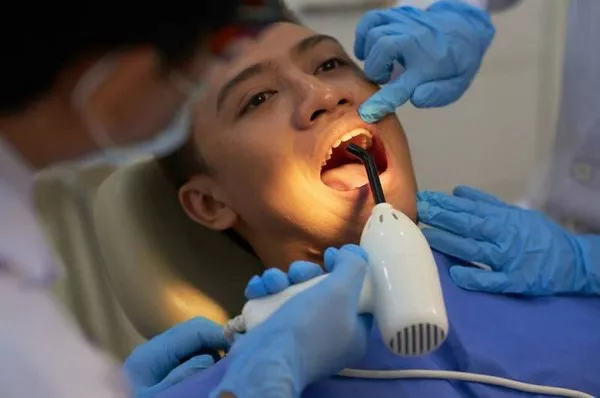
Wisdom teeth removal is a common dental procedure that most individuals undergo during their late teens or early twenties. These third molars are often extracted to prevent future dental issues such as overcrowding, misalignment, or infection. Although the recovery process can vary from person to person, it is typically predictable and manageable with the right care and medications. This article serves as a comprehensive guide on what dentists typically provide and recommend after wisdom teeth removal to ensure a smooth and comfortable recovery. It is important to follow the specific instructions given by your dentist or oral surgeon for the best results.
Medications
After wisdom teeth removal, dentists prescribe various medications to manage pain, prevent infection, and reduce inflammation. Here’s an overview of the common medications provided:
Pain Relief
Post-surgery pain is a common concern, and dentists often prescribe pain medications to alleviate discomfort during the initial recovery phase. Commonly prescribed pain relievers include:
Narcotics: Medications such as hydrocodone or oxycodone may be prescribed for the first few days post-surgery. These are strong painkillers that help manage moderate to severe pain.
Non-opioid Pain Relievers: For milder pain, dentists might recommend acetaminophen (Tylenol). These are often used when the pain is less intense or as the initial pain begins to subside.
Antibiotics
Antibiotics may be prescribed to prevent infection, especially if the extraction was complex or involved significant bone removal. Common antibiotics include:
Amoxicillin: A commonly prescribed antibiotic for dental procedures.
Clindamycin: Often prescribed for patients allergic to penicillin or when the infection risk is higher.
Anti-inflammatory Medications
Nonsteroidal anti-inflammatory drugs (NSAIDs) such as ibuprofen (Advil) or naproxen (Aleve) are typically recommended to reduce swelling and discomfort. These medications help manage inflammation and pain, making the recovery process more comfortable.
Mouthwash
A prescription mouthwash, usually containing chlorhexidine, may be given to help keep the surgical site clean and prevent infection. This antiseptic mouthwash should be used as directed by your dentist to ensure optimal healing.
Instructions
Proper post-operative care is crucial for a smooth recovery after wisdom teeth removal. Here are the general instructions that dentists provide:
Rest
Rest is essential during the first 24-48 hours after surgery. It allows the body to focus on healing and reduces the risk of complications. Patients are advised to avoid strenuous activities and get plenty of rest during this critical period.
Ice Packs
Applying ice packs to the cheeks can help minimize swelling and pain. It is recommended to use ice packs intermittently (20 minutes on, 20 minutes off) for the first 48 hours after surgery.
Diet
A soft diet is recommended for the first week to prevent irritation of the surgical sites and facilitate healing. Suitable foods include yogurt, smoothies, mashed potatoes, scrambled eggs, and soup. Patients should avoid hard, crunchy, or hot foods that could disturb the healing process.
Oral Hygiene
Maintaining oral hygiene is important, but it must be done gently around the surgical sites. Patients should:
Brush and floss as usual, but avoid the extraction areas to prevent dislodging the blood clot.
Use the prescribed mouthwash or a saltwater rinse (1/2 teaspoon of salt in a cup of warm water) to keep the mouth clean.
Activities
To prevent complications, patients should avoid strenuous activities, smoking, and alcohol consumption for the first few days after surgery. These activities can interfere with the healing process and increase the risk of dry sockets and infection.
See Also: What Are The Different Componets Of A Dental Implant
Possible Side Effects
Understanding the common side effects of wisdom teeth removal helps patients prepare for the recovery process. Here are some typical side effects and how to manage them:
Swelling
Swelling is a normal response to surgery and typically peaks 2-3 days after the procedure. Applying ice packs and taking prescribed anti-inflammatory medications can help manage swelling.
Bleeding
Some minor bleeding is expected for the first 24 hours. Patients should bite on gauze pads as directed by their dentist to control bleeding. If bleeding is excessive or continues beyond the first day, it is important to contact the dentist.
Pain
Pain is common after wisdom teeth removal and should subside over time. Following the prescribed pain management plan and resting can help manage discomfort. If pain persists or worsens, consult your dentist.
Dry Sockets
Dry sockets occur when the blood clot at the extraction site dislodges or dissolves prematurely, exposing the bone and nerves. This can cause severe pain and a foul odor. Patients experiencing symptoms of dry sockets should seek immediate dental attention.
Follow-up Care
Follow-up care is crucial to ensure proper healing and address any complications. Here are the typical steps for follow-up care:
Scheduled Follow-up Appointment
Patients should attend their scheduled follow-up appointment with the dentist to ensure the surgical sites are healing properly. The dentist will examine the healing progress and provide additional care instructions if needed.
Contacting the Dentist
It is important to contact the dentist immediately if experiencing excessive bleeding, severe pain, or any unusual symptoms. Early intervention can prevent complications and ensure a smooth recovery.
Conclusion
Recovering from wisdom teeth removal is generally straightforward with proper care and adherence to the dentist’s instructions. By managing pain, preventing infection, and following recommended post-operative practices, patients can experience minimal discomfort and a smooth healing process. It is crucial to follow the dentist’s specific recommendations and seek prompt attention for any complications. With the right care, most people recover from wisdom teeth removal quickly and without significant issues, ensuring a healthy and comfortable outcome.
You Might Be Interested In
- What Helps Recover After Getting Wisdom Teeth Removed
- Is Wisdom Teeth Removal Considered An Extraction
- Do You Brush Your Teeth After Getting Wisdom Teeth Removed
Tags: teethwisdom teeth