


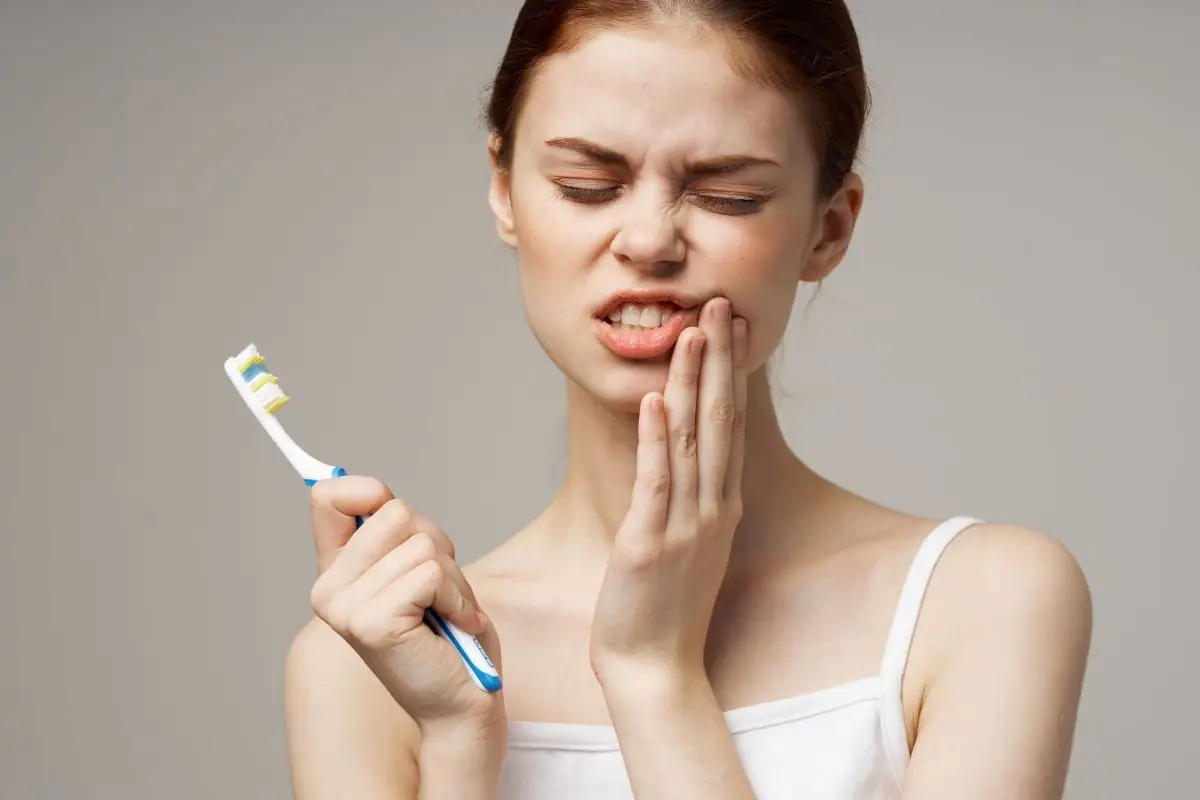
Occasional tooth pain is common. It may show up while drinking hot coffee in the morning, enjoying a cold beverage during a hot Texas afternoon, or chewing on one side during a busy weeknight dinner. Because the discomfort is not constant, it is often easy to brush off and assume it will go away on its own.
Busy schedules, school drop-offs, work commitments, and family activities can make mild dental discomfort feel easy to postpone. Still, tooth pain, even when it comes and goes, is often an early signal that something has changed.
At Avalon Dental & Orthodontics, we provide dental care for individuals and families throughout Katy, with an emphasis on early evaluation and clear guidance. If tooth pain feels uncertain or keeps returning, a simple dental visit can help clarify whether it is a temporary issue or something that needs attention. Understanding what occasional tooth pain means and when to check it can help prevent more serious dental concerns.
What Is Considered Occasional Tooth Pain?
Occasional tooth pain is discomfort that occurs intermittently rather than constantly. It may occur only under certain conditions and then fade away. Common examples include:
- Sensitivity when drinking hot or cold beverages
- Brief pain when eating sweets
- Discomfort when chewing or biting
- A short, sharp sensation that resolves quickly
Because the pain is inconsistent, many people wonder whether it is normal or a sign of a developing issue. The answer often depends on the underlying cause and whether other symptoms are present.
Common Reasons Tooth Pain Comes and Goes
Several dental conditions and daily habits can lead to intermittent discomfort. Some are minor, while others benefit from early professional attention.
Tooth Sensitivity
Sensitivity is one of the most common causes of occasional tooth pain. It often occurs when enamel becomes thinner or gums recede slightly, exposing more sensitive areas of the tooth. In Katy, this is often noticed during warmer months, when cold drinks, ice, and frozen treats are part of daily life.
Sensitivity usually causes a quick reaction to temperature and does not linger. Even so, it should be evaluated to ensure there is no underlying damage.
Early Tooth Decay
Cavities do not always cause continuous pain. In the early stages, decay may only trigger discomfort when exposed to sweets or cold temperatures. Because the pain fades, it can be easy to overlook.
Detecting decay early allows for more conservative treatment and helps preserve the natural tooth structure.
Gum Irritation or Recession
Gum tissue that has pulled back slightly can expose sensitive areas near the tooth’s root. This can cause discomfort during brushing, flossing, or eating certain foods. Mild gum inflammation can also lead to tenderness that comes and goes.
Changes in gum health tend to progress gradually, making regular monitoring important.
Teeth Grinding or Jaw Clenching
Clenching or grinding the teeth, often related to stress, can lead to occasional tooth soreness or jaw discomfort. Many people are unaware that they grind their teeth, especially at night. Long workdays, commuting, and busy family schedules can contribute to this habit.
Aging Dental Work or Small Cracks
Over time, fillings and crowns may wear down. Small cracks in teeth can also develop from normal use. These issues may cause pain when biting or when exposed to temperature changes, even if the tooth appears intact.
When Occasional Tooth Pain Is Usually Not Serious
Some instances of intermittent discomfort are less concerning. Tooth pain may be considered mild when:
- The pain is brief and resolves quickly
- It only occurs with very hot or very cold foods
- There is no swelling, bleeding, or lingering soreness
- The discomfort does not worsen over time
Even in these situations, paying attention to patterns is helpful. Repeated discomfort should still be evaluated.
Warning Signs That Should Not Be Ignored
Certain symptoms suggest that occasional tooth pain may indicate a more significant concern, including:
- Increasing frequency of pain
- Discomfort that lasts longer after eating or drinking
- Pain when chewing or biting down
- Swelling or tenderness in the gums
- A persistent bad taste in the mouth
- Pain that interferes with sleep
These signs can indicate advancing decay, infection, or inflammation and are best addressed early.
Everyday Habits in Katy That Can Trigger Tooth Pain
Lifestyle factors can influence dental comfort. In the Katy community, some common contributors include:
- Frequent cold drinks during hot weather
- Sweetened beverages and snacks throughout the day
- Stress-related clenching during work or commuting
- Delaying dental visits due to busy schedules
- Using home remedies instead of a professional evaluation
Why Early Evaluation Is Helpful
Tooth pain, even when mild, is often a signal that something has changed. Early evaluation allows dental professionals to identify issues before they become more complex. Addressing concerns early can help avoid more involved procedures and unexpected dental problems later.
When It Makes Sense to Reach Out
If tooth discomfort keeps returning or raises questions, seeking professional guidance can provide clarity. A dental evaluation may include an exam, imaging when needed, and a review of daily habits that may be contributing to the issue.
Avalon Dental & Orthodontics provides comprehensive dental care for individuals and families in the Katy area, with a focus on clear communication and careful assessment. Contact the office or call at (832) 789-1997 to discuss your symptoms and determine whether an exam would be appropriate.
Our office is conveniently located in the southwestern part of Katy, making it easy to access from all major areas, including Churchill Farms, Cardiff Ranch, Cinco Ranch Southwest, Cross Creek Ranch, and Fulshear.
Understanding and Responding to Early Signals
Occasional tooth pain is common, but it should not be ignored entirely. While some causes are minor, others benefit from early attention. Paying attention to these early signals and responding thoughtfully can help maintain comfort and avoid unnecessary complications.