


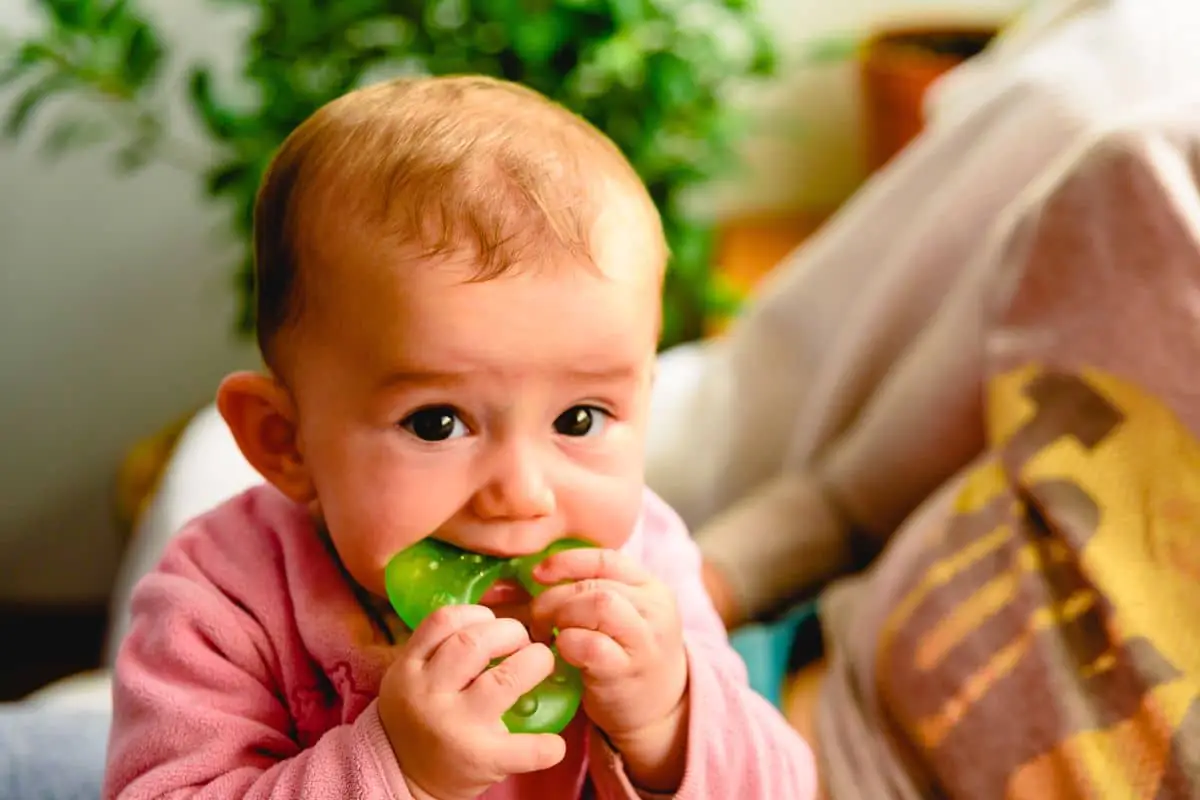
Teething is a significant milestone in your child’s development, but it can also be a challenging time for both the baby and the parents. Knowing what to expect and how to soothe your child can make this phase much easier. In this blog, we’ll explore teething symptoms, timelines, and some helpful tips to ease discomfort, with insights from your trusted Dentist in Katy.
What is Teething?
Teething is the process where your baby’s teeth start to push through their gums, typically beginning between 4 to 7 months of age. The discomfort and symptoms associated with teething can vary from child to child, but some common signs indicate your baby might be starting the teething phase.
Signs and Symptoms of Teething
Babies express discomfort in different ways during teething. Below are some signs that your child might be teething:
- Drooling: Increased drooling is one of the most obvious signs.
- Chewing on objects: Babies tend to gnaw on anything they can find to relieve gum pressure.
- Irritability: Your baby might be more fussy or clingy than usual.
- Sore or swollen gums: The area around the emerging tooth may become tender and swollen.
- Sleep disturbances: Teething discomfort might disrupt your baby’s sleep patterns.
- Refusal to eat: The discomfort may make your child refuse food or drinks.
When to Expect Teething?
Babies typically start teething around 6 months, but this can vary. Here is a general timeline for when baby teeth come in:
- 4-7 months: The first teeth (usually the lower front) start to emerge.
- 8-12 months: The upper front teeth appear.
- 9-16 months: The first molars erupt, which can cause significant discomfort.
- 13-19 months: The canine (cuspid) teeth come in.
- 23-33 months: The second molars appear, usually completing the baby’s primary teeth set.
By age three, most children have a full set of 20 primary teeth. It’s important to consult with a Dentist in Katy if your child’s teeth don’t seem to follow the expected timeline.
Teething and Fever: Is There a Connection?
Many parents associate teething with fever, but the American Academy of Pediatrics (AAP) advises that teething typically causes only minor symptoms like irritability. If your baby has a fever over 100.4°F, it’s unlikely due to teething and you should consult a doctor. Teething symptoms usually only include mild discomfort.
How to Help Your Child Cope with Teething
Coping with teething discomfort is vital to your and your child’s well-being. Here are some helpful ways to ease your baby’s teething pain:
1. Teething Rings
Provide a chilled (not frozen) teething ring. The coolness can reduce gum inflammation and provide soothing relief.
2. Gentle Gum Massage
Using a clean finger, gently rub your baby’s gums. The pressure can be comforting for your child.
3. Cold Washcloth
A cold, damp washcloth can be a simple and effective solution to ease teething pain. Allow your baby to chew on it for relief.
4. Over-the-Counter Remedies
There are teething gels or oral pain relievers like acetaminophen or ibuprofen (for babies older than six months) that can help manage the pain. Always consult your Dentist in Katy before administering any medication.
5. Distraction
Sometimes a gentle distraction like playing or reading can distract your baby from the discomfort. It’s not a cure, but it can help temporarily.
When to Consult a Dentist?
It’s crucial to start your child’s dental care journey early. The American Dental Association (ADA) recommends that children should see a dentist by their first birthday or within six months of their first tooth appearing. If your baby experiences extreme teething pain or delayed tooth eruption, contact a Dentist in Katy for an evaluation.
Teething Myths Debunked
There are several myths surrounding teething. Here are some of the most common ones:
- Myth: Teething causes diarrhea.
- Fact: There’s no scientific evidence linking teething to diarrhea. Consult your pediatrician if your baby has persistent diarrhea.
- Myth: All babies start teething at 6 months.
- Fact: Teething can start as early as 4 months or as late as 12 months. Every baby’s timeline is unique.
- Myth: Babies will always have a fever while teething.
- Fact: As mentioned earlier, teething might cause mild discomfort but should not result in a high fever.
The Importance of Early Dental Visits
Although baby teeth are temporary, they play an important role in your child’s oral health development. These teeth help with speech development, and chewing, and act as placeholders for adult teeth. Regular visits to a Dentist in Katy ensure that any early signs of decay or gum issues are caught and treated before they become more significant.
Conclusion
Teething is a natural and sometimes challenging part of your child’s development. With the right care and attention, you can ease your baby’s discomfort and ensure they start their oral health journey on the right foot. If you’re unsure about your baby’s teething symptoms or need guidance on how to care for your child’s new teeth, schedule an appointment with a Dentist in Katy. They can provide personalized care and advice to make teething easier for you and your baby.