


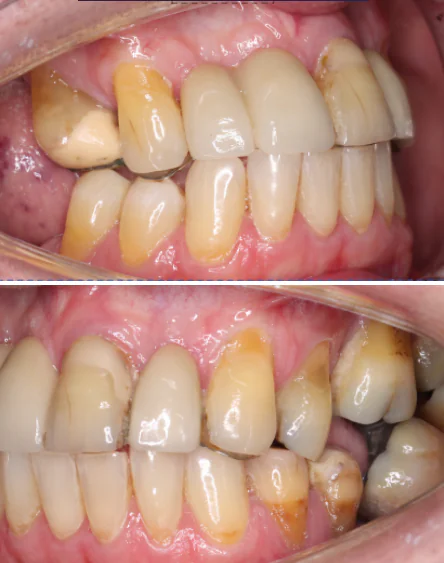
Many people ask, can periodontal disease be reversed once it starts damaging the gums? The answer depends on the stage of the disease. Early gum disease, known as gingivitis, is usually reversible with proper treatment and good oral hygiene. However, advanced periodontal disease, also called periodontitis, causes permanent damage to the supporting tissues around the teeth.
The good news is that modern dentistry offers many effective ways to stop the disease from progressing. Furthermore, early diagnosis greatly improves long-term outcomes. Understanding the warning signs and available treatments can help you keep your natural teeth for many years.
In this guide, we explain what periodontal disease is, whether it can be reversed, and what treatment options are available in 2026.
What Is Periodontal Disease?
Periodontal disease is a chronic infection that affects the gums and supporting structures around the teeth.
The disease develops when plaque bacteria accumulate along the gumline. Over time, these bacteria trigger inflammation.
Periodontal disease generally progresses through two stages:
Gingivitis
Characteristics include:
- Red gums
- Swollen gums
- Bleeding when brushing
- Bad breath
- Mild gum tenderness
At this stage, bone loss has not occurred.
Periodontitis
Characteristics include:
- Deep gum pockets
- Gum recession
- Bone loss
- Loose teeth
- Chronic bad breath
- Tooth loss in severe cases
Unlike gingivitis, periodontitis affects the structures that support the teeth.
Therefore, early treatment is extremely important.
Can Periodontal Disease Be Reversed?
The answer depends on how far the disease has progressed.
Gingivitis Can Be Reversed
When gum disease remains in the gingivitis stage:
- No permanent damage exists
- Gums can heal completely
- Bone remains intact
- Professional cleaning removes plaque buildup
With consistent home care, many patients recover fully.
Periodontitis Cannot Be Fully Reversed
Once bone loss occurs:
- Lost bone does not naturally grow back
- Gum attachment loss becomes permanent
- Tissue damage remains
However, treatment can successfully stop further destruction.
As a result, dentists focus on disease control rather than complete reversal.
Although the damage may remain, patients can still enjoy healthy, stable teeth for decades after treatment.
What Causes Periodontal Disease?
Several factors increase the risk of gum disease.
Poor Oral Hygiene
Plaque buildup remains the primary cause.
Without regular cleaning, bacteria thrive around the teeth.
Smoking
Smoking significantly increases periodontal disease risk.
It also slows healing after treatment.
Diabetes
Poor blood sugar control makes infections more difficult to manage.
Genetics
Some individuals are naturally more susceptible.
Stress
Long-term stress weakens immune responses.
Hormonal Changes
Pregnancy and menopause may increase gum sensitivity.
Therefore, periodontal disease often results from multiple contributing factors.
Early Signs You Should Never Ignore
Many patients experience symptoms long before significant damage occurs.
Watch for:
- Bleeding gums
- Persistent bad breath
- Swollen gums
- Gum redness
- Tooth sensitivity
- Receding gums
- Food trapping between teeth
Importantly, periodontal disease often progresses without severe pain.
Consequently, many people delay treatment until damage becomes extensive.
Regular dental examinations help detect problems before they worsen.
How Dentists Diagnose Periodontal Disease
A comprehensive examination typically includes:
Gum Pocket Measurements
Dentists use a periodontal probe to measure pocket depth.
Healthy pockets usually measure:
- 1–3 mm
Deeper pockets may indicate disease.
Dental X-Rays
X-rays help identify:
- Bone loss
- Tooth support levels
- Hidden infection
Clinical Evaluation
The dentist also checks:
- Gum bleeding
- Tooth mobility
- Plaque accumulation
- Gum recession
Together, these findings determine the severity of the condition.
Professional Treatments for Gingivitis
Because gingivitis is reversible, treatment often remains simple.
Common approaches include:
Professional Cleaning
Dental hygienists remove:
- Plaque
- Tartar
- Surface stains
Improved Home Care
Patients should:
- Brush twice daily
- Floss daily
- Use antibacterial mouthwash
Lifestyle Improvements
Positive changes include:
- Quitting smoking
- Improving nutrition
- Managing diabetes
When patients follow these recommendations, gums often recover within a few weeks.
Modern Periodontitis Treatment Options
Although periodontitis cannot be completely reversed, effective treatment can stop disease progression.
Scaling and Root Planing
This deep cleaning procedure removes bacteria below the gumline.
Benefits include:
- Reduced inflammation
- Smaller gum pockets
- Improved healing
Antibiotic Therapy
Dentists sometimes prescribe:
- Oral antibiotics
- Localized antibiotic gels
These help reduce bacterial levels.
Laser Periodontal Therapy
Laser technology continues to gain popularity.
Advantages include:
- Minimal discomfort
- Reduced bleeding
- Faster recovery
Periodontal Maintenance
Patients usually require:
- Regular cleanings every 3–4 months
- Ongoing monitoring
- Professional plaque removal
Consistent maintenance remains critical for long-term success.
Can Bone Loss Be Repaired?
Bone loss caused by periodontitis presents a major challenge.
However, modern regenerative procedures may help in selected cases.
Bone Grafting
Bone grafts may restore lost support around teeth.
Guided Tissue Regeneration
Special membranes encourage bone regrowth.
Growth Factors
Biologic materials stimulate healing.
While these procedures cannot guarantee complete restoration, they may improve support around affected teeth.
Therefore, treatment plans often depend on individual conditions.
Can Periodontal Disease Affect Overall Health?
Research continues to show strong links between gum disease and general health.
Untreated periodontitis has been associated with:
- Heart disease
- Stroke
- Diabetes complications
- Respiratory infections
- Pregnancy complications
Inflammation plays a major role in these connections.
Therefore, maintaining healthy gums benefits more than just your smile.
How to Prevent Periodontal Disease
Prevention remains easier and less expensive than treatment.
Consider these habits:
Brush Correctly
Use a soft-bristled toothbrush.
Brush for at least two minutes.
Floss Daily
Floss removes plaque from areas that brushing cannot reach.
Attend Regular Dental Visits
Professional cleanings help prevent tartar accumulation.
Avoid Tobacco Products
Smoking remains one of the biggest risk factors.
Maintain a Healthy Diet
Nutrient-rich foods support gum health.
Additionally, staying hydrated helps reduce bacterial growth.
Can Periodontal Disease Return?
Unfortunately, yes.
Even after successful treatment, harmful bacteria can return.
For this reason, periodontal disease requires lifelong maintenance.
Patients who stop regular care often experience:
- Recurrent inflammation
- Additional bone loss
- Increased tooth mobility
Fortunately, consistent maintenance dramatically reduces these risks.
Therefore, long-term commitment remains essential.
New Trends in Periodontal Treatment for 2026
Several advancements continue to improve patient outcomes.
Popular innovations include:
- AI-assisted periodontal diagnosis
- Digital periodontal charting
- Laser-assisted therapy
- Minimally invasive surgery
- Regenerative biomaterials
- Enhanced bacterial testing
These technologies allow dentists to identify problems earlier and provide more targeted treatment.
As a result, patients often experience faster recovery and better long-term stability.
FAQ
Can you fully recover from periodontal disease?
You can fully recover from gingivitis because it does not cause permanent damage. However, periodontitis causes irreversible bone and tissue loss. Treatment can stop progression and maintain oral health, but it cannot completely reverse all damage.
How long does it take to reverse periodontitis?
Periodontitis itself cannot be fully reversed. However, inflammation often improves within several weeks after treatment. Long-term stabilization may require months of professional care and maintenance.
Can I live a long life with periodontal disease?
Yes. Many people live long, healthy lives after receiving proper periodontal treatment. Early intervention, good oral hygiene, and regular dental visits help manage the disease successfully.
Can you reverse periodontitis naturally?
Natural approaches such as improved brushing, flossing, and healthy nutrition can reduce inflammation. However, they cannot eliminate deep bacterial deposits or restore lost bone. Professional treatment remains necessary for managing periodontitis.
Is tooth loss inevitable with periodontitis?
No. Many patients keep their natural teeth for decades after treatment. Early diagnosis and consistent maintenance significantly improve outcomes.
Conclusion
So, can periodontal disease be reversed? The answer depends on the stage of the condition. Gingivitis can often be reversed completely with professional cleaning and improved oral hygiene. However, once periodontitis develops, permanent tissue damage occurs.
Fortunately, modern treatments can stop disease progression, reduce inflammation, and help preserve your natural teeth. The key is early diagnosis and consistent maintenance. If you notice bleeding gums, bad breath, or gum recession, seek professional care as soon as possible. Taking action today can greatly improve your oral health tomorrow and prevent future complications associated with periodontal disease.