


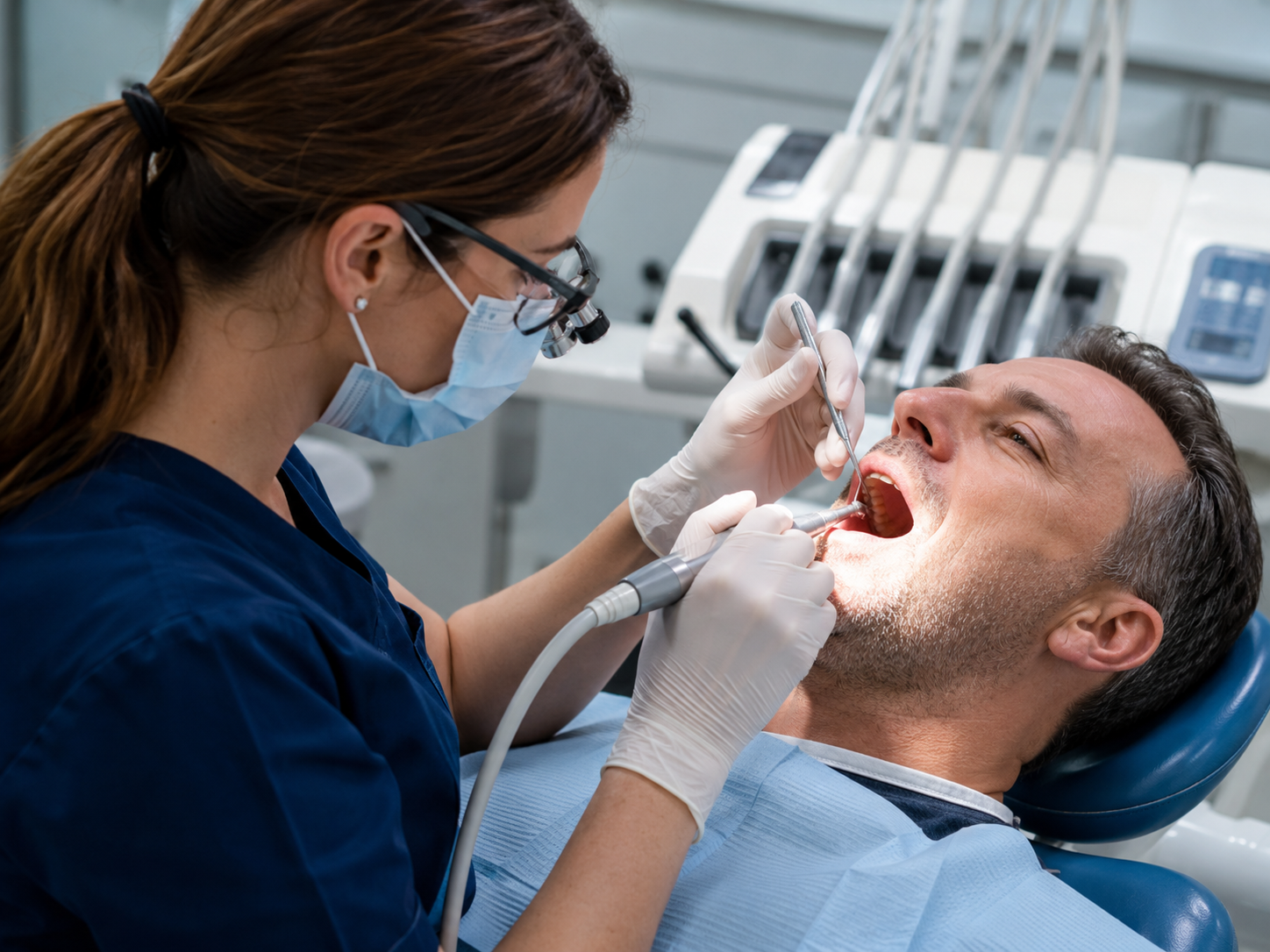
Periodontal scaling and root planing are non-surgical deep cleaning treatments for gum disease. It removes plaque, tartar, and bacteria from below the gumline. It also smooths the tooth roots, so gums can heal more easily. Many patients worry about pain, bleeding, sensitivity, and recovery time. However, the treatment often feels manageable with local anesthesia. In addition, proper aftercare can reduce discomfort and support better healing.
This guide explains what happens during treatment, how painful it may feel, what recovery looks like, and when to call a dentist. It also answers common questions patients ask before booking an appointment.
What Is Periodontal Scaling and Root Planing?
Periodontal scaling and root planing are deep dental cleanings for gum disease. Dentists often recommend it when plaque and tartar move below the gumline. At that point, normal brushing cannot remove the buildup.
First, scaling removes plaque and hardened tartar from the teeth. It cleans both above and below the gumline. Next, root planing smooths rough areas on the tooth roots. These rough spots can hold bacteria. Therefore, smoothing them helps the gums reattach more closely.
This treatment does not replace daily brushing or flossing. Instead, it supports them. Also, it can help slow gum disease before it causes more damage.
Many people call it “deep cleaning.” However, it is different from a regular dental cleaning. A regular cleaning focuses on healthy gums. Scaling and root planing focuses on infected gum pockets.
Why Gum Disease Needs Early Care
Gum disease often starts quietly. At first, the gums may look red or swollen. They may bleed during brushing. However, pain may not appear early. Because of this, many patients wait too long.
Plaque contains bacteria. When it stays on teeth, it can irritate the gums. Then the gums may pull away from the teeth. As a result, small spaces form. Dentists call these spaces periodontal pockets.
Over time, tartar and bacteria collect inside those pockets. Regular brushing cannot reach deep enough. Therefore, the infection may continue. In serious cases, gum disease can damage bone support around teeth.
Early care matters because it gives the gums a better chance to heal. Also, it may reduce the need for surgery later. In many cases, deep cleaning becomes the first important step.
Common Signs You May Need Deep Cleaning
Patients often ask whether they really need scaling and root planing. A dentist makes the final decision after an exam. However, several signs may suggest gum disease.
Common signs include:
- Gums that bleed when brushing or flossing
- Red, swollen, or tender gums
- Bad breath that keeps returning
- Gum recession around one or more teeth
- Loose teeth or a changing bite
- Pus near the gums
- Deep gum pockets during a dental exam
- Heavy tartar buildup near the gumline
However, some patients feel no clear pain. That does not always mean the gums are healthy. Therefore, regular dental checkups still matter.
Dentists may measure gum pockets with a small probe. They may also take X-rays. These checks help show how much support the teeth have lost.
How the Treatment Works Step by Step
The process usually starts with a dental exam. First, the dentist checks the gums, teeth, and bone support. Then they decide which areas need treatment.
The treatment may take one visit or several visits. Often, dentists divide the mouth into sections. This makes the visit more comfortable and controlled.
During the appointment:
- The dentist may numb the gums with local anesthesia.
- They remove plaque and tartar from above the gumline.
- Then they clean below the gumline.
- Next, they smooth the tooth roots.
- Finally, they may rinse the area and give aftercare advice.
Some patients may also need antibiotics. However, not every patient needs them. The dentist decides based on pocket depth, infection level, and medical history.
After treatment, the gums need time to calm down. Therefore, follow-up visits help track healing.
Is Periodontal Scaling and Root Planing Painful?
Periodontal scaling and root planing should not feel sharply painful for most patients. Dentists often use local anesthesia when pockets are deep or gums feel tender. As a result, the treatment area becomes numb.
During the procedure, you may feel pressure, scraping, or vibration. However, these feelings should stay manageable. If you feel pain, tell the dentist right away. They can adjust the anesthesia or technique.
After the numbness fades, mild soreness may appear. Also, your gums may feel tender for a few days. Some patients feel tooth sensitivity to cold drinks or brushing. This usually improves as the gums heal.
Pain levels vary. For example, people with severe inflammation may feel more discomfort. Meanwhile, people with mild disease may recover faster. Therefore, each case needs personal care.
What Recovery Feels Like After Treatment
Recovery after scaling and root planing usually feels mild to moderate. Many patients return to normal daily activities the same day. However, the gums may need several days to feel comfortable again.
Common short-term symptoms include:
- Gum tenderness
- Mild bleeding
- Tooth sensitivity
- Slight swelling
- A sore feeling when chewing
- Temporary discomfort while brushing
These symptoms often improve within a few days. However, sensitivity may last longer for some patients. This can happen when gum recession exposes root surfaces.
During recovery, gentle care helps a lot. Use a soft toothbrush. Also, avoid aggressive brushing. In addition, follow the dentist’s instructions about mouth rinses or medicine.
If pain becomes strong, call your dental clinic. Also, call if swelling, pus, or fever appears. These signs may need quick attention.
What to Eat After Scaling and Root Planing
Food choices can affect comfort after treatment. Therefore, choose soft foods during the first day or two. Soft foods reduce pressure on tender gums.
Good options include:
- Yogurt
- Scrambled eggs
- Soup that is not too hot
- Mashed potatoes
- Oatmeal
- Soft rice
- Smoothies without seeds
- Steamed vegetables
However, avoid foods that can irritate the gums. Hard, spicy, acidic, or crunchy foods may cause discomfort. Also, avoid very hot drinks at first. Heat can increase sensitivity.
Chew on the untreated side if your mouth was cleaned in sections. Additionally, drink enough water. Hydration helps your mouth feel better.
As comfort returns, you can slowly return to normal meals. Still, keep your diet gentle if sensitivity remains.
Aftercare Tips for Faster Healing
Good aftercare helps your gums recover. It also helps prevent bacteria from building up again. Therefore, follow your dentist’s instructions carefully.
Helpful aftercare tips include:
- Brush gently with a soft toothbrush.
- Floss carefully once the gums feel ready.
- Use any prescribed rinse as directed.
- Avoid smoking during healing.
- Avoid alcohol if your dentist advises it.
- Take pain relief only as recommended.
- Keep follow-up appointments.
- Report severe pain or swelling quickly.
Also, do not skip cleaning because the gums feel sore. Plaque can return quickly. Instead, clean gently and consistently.
In addition, ask your dentist about interdental brushes or water flossers. These tools may help clean between teeth. However, use them only as instructed after treatment.
Healing depends on daily habits. Therefore, home care matters as much as the appointment.
How Long Does Recovery Take?
Most patients feel better within a few days. However, gum healing continues after the soreness improves. The gum tissue may need several weeks to show clearer improvement.
Dentists often recheck the gums after a healing period. During this visit, they may measure pocket depth again. If the pockets shrink, the treatment has helped. If deep pockets remain, the dentist may suggest more care.
Recovery time depends on:
- The severity of gum disease
- The depth of the pockets
- Your oral hygiene habits
- Smoking status
- Diabetes control
- Immune health
- Follow-up care
Therefore, two patients can heal at different speeds. One person may feel normal after two days. Another may need more time.
The key goal is not only comfort. The real goal is healthier gums and better disease control.
How Long Do the Results Last?
The results can last a long time with good maintenance. However, scaling and root planing does not make someone immune to gum disease. Plaque can return every day.
Your daily routine plays a major role. Brush twice daily. Also, clean between teeth every day. In addition, attend periodontal maintenance visits as advised.
Many patients with gum disease need maintenance cleanings more often than regular patients. Some may need visits every three to four months. However, the best schedule depends on pocket depth and risk level.
If you skip maintenance, bacteria can collect again. Then gum pockets may deepen. As a result, the disease may return.
Therefore, think of this treatment as a reset. It gives the gums a cleaner start. Yet long-term success needs steady care.
Benefits of Scaling and Root Planing
Scaling and root planing offers several important benefits. First, it removes bacteria from areas you cannot clean at home. This helps reduce gum inflammation.
Second, it may reduce bleeding. Many patients notice less bleeding after the gums heal. Third, it may improve bad breath linked to gum infection.
Possible benefits include:
- Cleaner tooth roots
- Healthier gum tissue
- Reduced gum pocket depth
- Less bleeding during brushing
- Better breath
- Slower gum disease progression
- Lower risk of tooth loss
- Better support for future dental treatment
Also, this treatment can help dentists understand your gum response. If the gums heal well, you may avoid more invasive treatment. However, if disease remains active, your dentist can plan the next step.
Possible Disadvantages and Limits
Scaling and root planing can help many patients. However, it has limits. It may not fully fix advanced gum disease. In deeper cases, pockets may stay too deep after treatment.
Possible disadvantages include:
- Temporary soreness
- Tooth sensitivity
- Mild gum bleeding
- Several appointments
- Higher cost than regular cleaning
- Need for strict maintenance
- Possible gum shrinkage after swelling goes down
- Limited results in severe bone loss
Gum shrinkage can worry some patients. However, it often happens because swelling reduces after infection improves. The teeth may look slightly longer as the gums become firmer.
Also, the treatment cannot regrow major bone loss by itself. Therefore, some patients need surgery, grafting, or other periodontal treatment.
Even so, deep cleaning often remains a key first step. It helps control bacteria before further decisions.
When to Call Your Dentist After Treatment
Most soreness after treatment is normal. However, some symptoms need attention. Do not ignore severe or unusual signs.
Call your dentist if you notice:
- Pain that gets worse after several days
- Heavy bleeding
- Swelling that keeps increasing
- Pus around the gums
- Fever
- A bad taste that does not improve
- A loose tooth that suddenly worsens
- Trouble eating or opening your mouth
Also, contact the clinic if your bite feels different. Sometimes teeth or gums feel strange after deep cleaning. A dentist can check the area and guide you.
Early communication helps prevent small issues from becoming larger problems. Therefore, do not wait too long if something feels wrong.
How to Prevent Gum Disease From Returning
Prevention starts at home. However, it also needs professional support. A strong routine can protect the results of treatment.
Daily prevention tips include:
- Brush for two minutes twice daily.
- Use a soft toothbrush.
- Clean between teeth every day.
- Replace your toothbrush regularly.
- Avoid tobacco.
- Control blood sugar if you have diabetes.
- Drink water often.
- Limit frequent sugary snacks.
- Visit your dentist as scheduled.
Also, pay attention to bleeding. Healthy gums should not bleed often. If bleeding returns, it may signal inflammation.
In addition, ask your dental team to show your missed areas. Many patients brush daily but miss the gumline. Small changes in technique can make a big difference.
FAQ
Is scaling and root planing worth it?
Yes, scaling and root planing can be worth it when gum disease is present. It removes tartar and bacteria from below the gumline. Therefore, it can help reduce inflammation and protect tooth support. However, it works best when you also maintain strong home care.
How painful is periodontal scaling and root planing?
Most patients describe the procedure as pressure or scraping, not sharp pain. Dentists can use local anesthesia to keep the area comfortable. Afterward, mild soreness and sensitivity may appear. However, these symptoms often improve within a few days.
How long does scaling and root planing last?
The cleaning effect can last for months or longer with good care. However, plaque returns daily. Therefore, brushing, flossing, and periodontal maintenance visits are essential. Some patients need professional maintenance every few months.
What are the disadvantages of scaling and root planing?
The main disadvantages include temporary soreness, sensitivity, mild bleeding, and cost. Also, severe gum disease may need more treatment. However, for many patients, the benefits outweigh these short-term downsides.
Summarize
Periodontal scaling and root planing is a common deep cleaning treatment for gum disease. It removes plaque, tartar, and bacteria from below the gumline. Also, it smooths the root surfaces, so gums can heal more easily. The treatment may sound uncomfortable, but local anesthesia often keeps it manageable.
After treatment, patients may feel soreness, sensitivity, or mild bleeding. However, these symptoms usually improve with proper care. Soft foods, gentle brushing, and follow-up visits can support recovery. In addition, long-term maintenance helps protect the results.
Overall, periodontal scaling and root planing can be a valuable step for patients with gum disease. It may reduce inflammation, improve gum health, and lower the risk of future tooth loss. Therefore, if your dentist recommends it, the treatment deserves serious attention.