


Dental implant care for seniors is not only about protecting a new smile. It also supports chewing, nutrition, speech, facial appearance, and daily comfort. Many older adults lose teeth because of long-term gum disease, severe decay, dental trauma, or loose teeth that can no longer stay stable. However, tooth loss is not always a natural part of aging.
When several teeth are missing, eating becomes harder. Also, soft foods may replace balanced meals. Over time, this can affect digestion and general health. In addition, missing teeth may change the shape of the face. It can also make speaking less clear.
Fortunately, dental implants can help many older adults regain stable teeth. Yet, implants need the right planning and care. Therefore, seniors should understand who may qualify, what happens before surgery, and how to care for implants after treatment.
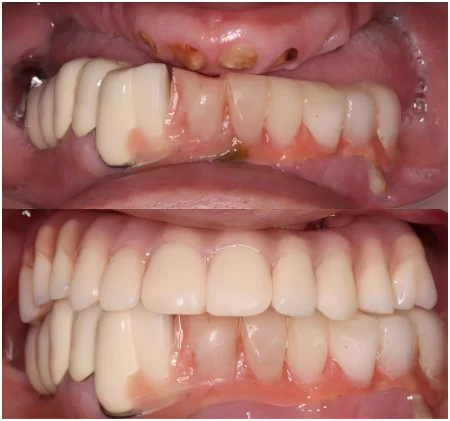
Why Older Adults Lose Teeth
Many people think teeth fall out simply because of age. However, this is not fully true. Age can raise certain oral health risks. Still, disease and long-term damage usually play a larger role.
Common causes include:
- Advanced periodontal disease
- Severe tooth decay
- Broken or cracked teeth
- Dental trauma
- Failed old crowns or bridges
- Poorly fitting dentures
- Untreated root infection
- Long-term dry mouth
- Poor oral hygiene
For example, gum disease can destroy the bone that supports teeth. As a result, teeth may loosen over time. Also, deep decay can weaken the tooth until repair becomes impossible.
Therefore, older adults should not ignore loose teeth, pain, or bleeding gums. These signs often point to treatable problems. Early care may save natural teeth. However, when teeth cannot stay healthy, implants may offer a strong replacement option.
Can Seniors Get Dental Implants?
Yes, many seniors can get dental implants. However, age alone does not decide success. Instead, dentists check oral health, bone condition, and general medical status.
A senior may qualify if they have:
- Enough jawbone support
- Healthy or treatable gums
- Controlled blood pressure
- Stable blood sugar
- No active oral infection
- Good daily cleaning habits
- Realistic treatment goals
- Safe medical clearance when needed
In addition, the dentist may ask about heart disease, stroke history, stents, anticoagulant drugs, osteoporosis medicine, and immune conditions. These details matter. They help the dental team reduce risks.
However, seniors should not stop medicine on their own. Instead, they should tell the dentist everything they take. Then, the dentist can work with the patient’s physician when needed.
So, many older adults can consider implants. Still, each patient needs a personal exam before treatment.
Who May Benefit from Implant Restoration?
Dental implants can help different types of patients. Some people need one tooth replaced. Others need several teeth or a full arch restored. Therefore, implant plans vary widely.
Implants may suit patients with:
- One missing tooth
- Several missing teeth
- Half-mouth tooth loss
- Full-mouth tooth loss
- Loose remaining teeth
- Severe tooth decay
- Broken roots
- Unstable removable dentures
- Weak chewing with dentures
- Strong gagging from dentures
- Poor denture retention
For example, implant-supported dentures can improve stability. They may help patients chew with more confidence. Also, fixed implant bridges may feel more natural than removable plates.
However, implants are not the only solution. Some patients may still choose bridges or dentures. Therefore, a good plan should compare function, cost, comfort, healing time, and long-term maintenance.
Full-Mouth and Half-Mouth Implants Explained
Full-mouth dental implants do not always mean one implant for every missing tooth. Instead, dentists often use several implants to support a fixed bridge or implant denture. This approach can restore function with fewer implants.
Common options include:
- Single dental implant
- Multiple dental implants
- Implant-supported bridge
- Implant-retained denture
- All-on-4 restoration
- All-on-6 restoration
- Full-mouth fixed implant bridge
For some seniors, removable dentures feel loose or bulky. Also, they may limit chewing power. In this case, implant-supported teeth may improve comfort and confidence.
However, full-mouth treatment needs careful planning. The dentist must check bone volume, bite force, gum health, and medical conditions. In addition, some patients may need tooth extractions, bone grafting, or gum treatment first.
Therefore, full-mouth implants can work well for selected patients. Yet, they require a precise diagnosis and a realistic timeline.
Why Pre-Surgery Health Checks Matter
Before implant surgery, seniors should prepare both the mouth and the body. This step helps reduce risk and supports healing. Also, it gives the dentist a clearer treatment path.
Important checks may include:
- Blood pressure control
- Blood sugar control
- Heart disease history
- Stroke or heart attack history
- Stent history
- Anticoagulant medication use
- Osteoporosis treatment history
- Smoking and alcohol habits
- Oral infection screening
- Gum disease evaluation
- Jawbone imaging
For example, uncontrolled diabetes can slow healing. Also, active gum infection can raise the risk of implant complications. Therefore, the dental team may treat inflammation before surgery.
In addition, patients with heart disease or anticoagulant medication need careful planning. The dentist may request medical clearance. This helps the team decide if medicine should continue, pause, or change.
So, good preparation protects both safety and results.
When to Delay Dental Implant Surgery
Sometimes, waiting is safer than rushing. Dental implant surgery works best when the body and mouth are ready. Therefore, dentists may delay surgery in certain cases.
Surgery may need delay if the patient has:
- Fever or cold symptoms
- Acute oral swelling
- Pus or active infection
- Uncontrolled blood sugar
- Uncontrolled blood pressure
- Recent heart event
- Poor oral hygiene
- Heavy smoking without control
- Severe gum inflammation
- Unsuitable bone condition
Also, patients should avoid surgery when they feel physically weak or poorly rested. Good sleep and stable eating habits can help the body handle treatment better.
However, delay does not mean rejection. It often means the dentist wants a safer result. After infection control or medical management, many patients can return for implant planning.
Therefore, seniors should see preparation as part of treatment, not a barrier.
What to Do Before Implant Surgery
A smooth surgery starts before the appointment. Therefore, patients should follow the dentist’s instructions closely. These details may seem small, but they matter.
Before surgery, patients should:
- Sleep well the night before
- Eat a light meal if allowed
- Avoid arriving on an empty stomach
- Take medicines as instructed
- Bring a full medication list
- Tell the dentist about allergies
- Brush gently before the visit
- Avoid smoking
- Avoid alcohol
- Arrange transportation if sedated
In many cases, patients should not come hungry. An empty stomach may increase anxiety, dizziness, or low blood sugar. However, sedation rules may differ. So, always follow the clinic’s specific advice.
Also, do not drink too much water right before surgery. Small sips may be fine when allowed. Yet, each plan depends on anesthesia and medical status.
Same-Day Teeth: What Patients Should Know
Some patients ask if they can receive implants and teeth on the same day. The answer is sometimes yes. However, not every patient qualifies. Same-day temporary teeth need strong bone support, good implant stability, and controlled infection.
Same-day options may include:
- Immediate implant placement
- Immediate temporary crown
- Immediate full-arch temporary bridge
- Same-day denture conversion
- Digital-guided implant planning
However, the final teeth may still come later. Temporary teeth help with appearance and basic function. Yet, the implant still needs time to bond with bone. This process is important for long-term success.
Therefore, patients should avoid hard biting during early healing. Also, they should follow a soft diet. Even when teeth look complete, the bone needs time to heal.
So, same-day teeth can be helpful. Still, careful case selection matters more than speed.
Implant Surgery Day: What Is Normal?
After surgery, mild swelling, soreness, and slight bleeding can happen. These reactions are common during early healing. However, patients should know what is normal and what needs help.
Normal signs may include:
- Mild pain
- Light swelling
- Slight bruising
- Minor bleeding
- Pink saliva
- Tightness around the surgical area
- Temporary chewing discomfort
If gauze sits over the wound, bite gently as directed. Many dentists advise keeping it in place for about 30 minutes. After that, remove it carefully.
Also, ice packs may help during the first day. Use them on and off. Do not hold ice on the skin too long. This can harm the skin.
However, heavy bleeding is not normal. If bleeding continues or gets worse, contact the clinic right away.
Can You Eat After Dental Implant Surgery?
Yes, many patients can eat after the numbness wears off. This often takes a few hours. However, patients should choose gentle foods and avoid chewing near the surgical area.
Good early food choices include:
- Cool porridge
- Yogurt
- Milk
- Smooth custard
- Scrambled eggs
- Soft tofu
- Mashed potatoes
- Soft noodles
- Pureed soup
- Protein shakes without a straw
Avoid these foods early:
- Hot foods
- Hard foods
- Crunchy snacks
- Spicy meals
- Sticky candy
- Seeds
- Nuts
- Alcohol
- Very acidic drinks
Also, avoid using a straw unless the dentist allows it. Suction can disturb the healing area. Therefore, drink slowly from a cup.
Good nutrition supports healing. So, seniors should not skip meals. Instead, they should choose soft, protein-rich foods.
Smoking and Alcohol After Implants
Smoking can harm implant healing. Nicotine reduces blood flow. As a result, the gums and bone may receive less oxygen and fewer nutrients. This can raise the risk of infection and implant failure.
Therefore, patients should avoid smoking after surgery. Ideally, they should quit long-term. Even short-term stopping can help healing. However, permanent quitting gives the best oral and general health benefit.
Alcohol also deserves caution. It may irritate tissues, increase bleeding risk, and interact with medicines. For example, some antibiotics and pain medicines do not mix well with alcohol.
So, patients should follow the dentist’s rule on alcohol timing. When in doubt, avoid alcohol during early healing.
In short, implants need blood flow, clean tissue, and stable healing. Smoking and alcohol can work against all three.
Daily Dental Implant Care for Seniors
Daily dental implant care for seniors should stay gentle but thorough. Implants cannot get cavities. However, the gums and bone around implants can still become inflamed. This condition may threaten implant stability.
A good home routine includes:
- Brush twice a day
- Use a soft toothbrush
- Clean around implant crowns
- Brush along the gumline
- Clean between teeth daily
- Use interdental brushes when advised
- Try a water flosser if suitable
- Rinse after meals
- Avoid hard biting habits
- Report swelling or bleeding early
Also, replace toothbrushes every one to three months. Worn bristles clean poorly. They may also irritate gums.
For full-arch implant bridges, special floss or threaders may help. Some patients also need small brushes under the bridge. Therefore, ask the dental team to show the exact cleaning method.
Follow-Up Visits Protect Implant Stability
Follow-up visits are essential. They help the dentist check healing, bite balance, gum health, and implant stability. Also, they allow early treatment if problems appear.
A common follow-up plan may include:
- One week after surgery
- One month after surgery
- Three months after surgery
- After final restoration
- Every six to twelve months later
However, some patients need more frequent visits. For example, seniors with diabetes, gum disease, or heavy plaque buildup may need closer monitoring.
During visits, the dentist may:
- Check the gum tissue
- Examine the bite
- Clean around implants
- Take X-rays if needed
- Check bone levels
- Look for inflammation
- Adjust the crown or bridge
- Review home cleaning
Therefore, follow-up visits are not optional extras. They are part of long-term implant care.
Managing Chronic Disease After Implants
General health affects implant health. Therefore, seniors should manage chronic conditions with care. This is especially true for diabetes, osteoporosis, heart disease, and low immunity.
Patients should focus on:
- Stable blood sugar
- Stable blood pressure
- Good bone health
- Safe medication use
- Regular medical checkups
- Good nutrition
- Healthy sleep
- Infection control
- Smoking cessation
For example, high blood sugar can slow wound healing. Also, some medicines may affect bone metabolism or bleeding risk. Therefore, dentists need accurate medical information.
However, a medical condition does not always rule out implants. Many patients still qualify after proper assessment. The key is control, planning, and communication.
So, seniors should see dental implant care as part of whole-body care. Healthy habits protect both the mouth and the body.
How Huangshan International Dental Hospital Supports Implant Patients
Choosing the right dental team matters, especially for older adults and international patients. Huangshan International Dental Hospital provides care that fits complex implant needs.
This matters because implant patients often need more than one service. For example, a senior may need gum treatment before implant placement. Another patient may need bite adjustment, bone evaluation, or full-mouth restoration planning. Therefore, a team-based model can improve diagnosis and care coordination.
In addition, the hospital combines clinical care with an in-house dental laboratory. Dentists and technicians can work together more directly. As a result, restorations may fit better and take less time to complete.
This integrated model is helpful for full-mouth implants, implant bridges, and temporary teeth. It also supports international patients who need efficient treatment planning.
A Better Experience for Dental Tourism Patients
Many international patients worry about time, language, transport, and follow-up. Therefore, a smooth service system can reduce stress. Huangshan International Dental Hospital offers dental tourism support that fits these concerns.
Helpful services may include:
- Airport or train station pickup
- Hotel arrangement support
- Translation services
- Treatment scheduling help
- Post-treatment follow-up
- Local travel guidance
This all-in-one approach helps patients focus on recovery. It also makes the treatment journey easier to manage. For seniors, this can be especially valuable.
Also, Huangshan offers a unique travel setting. Patients can combine dental care with a relaxing stay near Huangshan Mountain, Hongcun, Xidi, and local tea culture. However, patients should always follow recovery advice first. Travel plans should stay gentle after surgery.
So, the goal is simple: high-quality dental care with less stress.
Summarize
Dental implant care for seniors helps protect new teeth, restore chewing comfort, and support long-term health. Many older adults can consider implants when their mouth and body meet the right conditions. However, careful planning matters. Dentists must check gum health, bone support, medical history, and daily cleaning ability.
Before surgery, seniors should control blood pressure, blood sugar, infection, and medication risks. After surgery, they should follow instructions, choose soft foods, avoid smoking, and attend follow-up visits. Over the long term, daily cleaning and regular reviews protect implant stability.
Huangshan International Dental Hospital offers a strong fit for implant patients because of its multidisciplinary team and in-house lab model. These advantages can support precise planning, faster turnaround, and better restoration fit. With the right care, dental implant care for seniors can help new teeth serve comfortably for many years.