


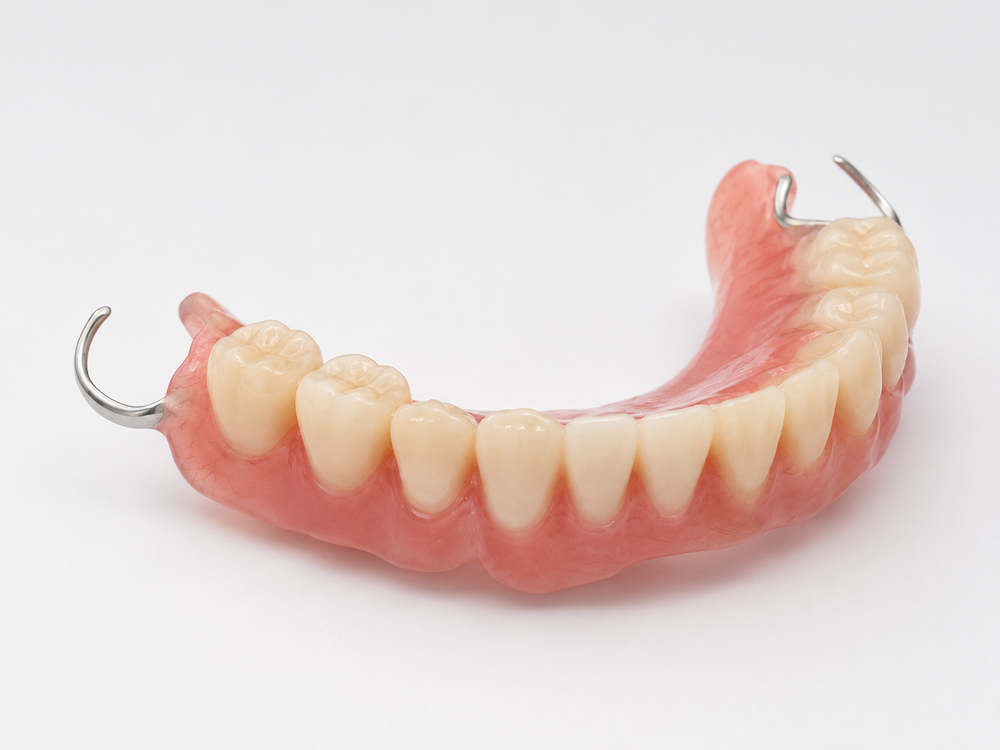
When Dentures Suddenly Stop Working
Many older adults experience denture problems after wearing the same dentures for several years.
The dentures may suddenly feel less stable. They may slide during meals, cause mild pain while chewing, or develop an unpleasant smell.
These changes may seem minor at first. However, they should not be ignored.
Poorly fitting dentures can affect:
- Eating and chewing
- Speaking clearly
- Oral comfort
- Gum health
- Remaining natural teeth
- Daily confidence
Moreover, loose dentures may rub against the gums. As a result, they can cause redness, ulcers, swelling, or inflammation.
Food may also collect beneath the denture base. This can lead to bad breath and further irritation.
Fortunately, many denture faults can be corrected. A dentist may adjust, repair, reline, or replace the denture.
Therefore, patients should seek professional care when dentures repeatedly become loose, painful, or difficult to use.
Find the Cause of Common Denture Faults
Dentures may stop fitting well for many reasons.
In some cases, the denture itself becomes damaged. For example, a clasp may bend, an artificial tooth may wear down, or the denture base may crack.
In other cases, the mouth has changed.
After tooth loss, the jawbone and gum tissue gradually shrink. Therefore, a denture that once fitted well may become loose over time.
Common causes include:
- Changes in the jawbone
- Gum tissue shrinkage
- Worn artificial teeth
- Bent or loose clasps
- Cracks in the denture base
- Poor bite contact
- Loss of supporting teeth
- Poor denture cleaning
Therefore, the same symptom may have different causes.
A dentist must examine both the denture and the mouth. The dentist may check the gums, remaining teeth, bite, denture base, and supporting structures.
Only then can the correct treatment be selected.
Removable Partial Dentures During the Early Stage
A removable partial denture replaces several missing teeth while keeping some natural teeth.
During the early wearing period, patients may experience discomfort while the mouth adapts.
Common problems include:
- Pain or pressure
- Poor denture retention
- Difficulty chewing
- Difficulty inserting or removing the denture
- Food trapping
- Unclear speech
- Cheek or tongue biting
Mild discomfort may occur during the first few days. However, severe or continuing pain is not normal.
Patients should attend follow-up appointments after receiving a new denture.
The dentist may need to adjust:
- The denture base
- The edges of the denture
- The clasps
- The supporting rests
- The artificial teeth
- The bite
Patients should never cut, file, or bend the denture at home.
Even a small change may damage the denture. It may also create pressure in another area.
Professional adjustment is safer and more accurate.
Pain From a Removable Partial Denture
Pain is one of the most common early complaints.
It may occur when the edge of the denture base extends too far. It may also happen when one area receives too much pressure.
In addition, clasps or supporting rests may affect the natural teeth.
Possible causes include:
- A denture edge that is too long
- Uneven pressure under the base
- Poor bite contact
- A tight clasp
- A rough denture surface
- Pressure on a supporting tooth
- Gum inflammation
- Tooth decay or gum disease
If pressure continues, the gum may become red or ulcerated.
Therefore, patients should return to the dental clinic when pain does not improve.
Before the visit, patients may wear the denture for a short period. This can help the dentist locate the painful area.
However, patients should not continue wearing a denture that causes severe pain.
The dentist can identify the pressure point and make a careful adjustment.
Poor Retention and Denture Movement
A partial denture should remain reasonably stable during normal chewing and speaking.
However, some dentures may bounce, tilt, rock, or move up and down.
This poor retention may relate to:
- Incorrect clasp position
- Loose or damaged clasps
- A denture base that does not fit closely
- Unreasonable artificial tooth placement
- Uneven bite contact
- Changes in the gums or jawbone
- Loss of a supporting tooth
The dentist may adjust the clasp, denture base, or bite.
Sometimes, a denture reline can improve the contact between the base and the gums.
In other cases, the denture may need repair or replacement.
Patients should not bend a clasp with their fingers or tools. Metal clasps may break after repeated bending.
Furthermore, an incorrectly adjusted clasp may damage the supporting tooth.
Therefore, all clasp adjustments should be completed by a dental professional.
Chewing and Denture Removal Difficulties
Some patients feel that they cannot chew effectively with a new partial denture.
This may happen because the bite does not contact evenly. It may also occur because the patient is still learning how to use the appliance.
During the early stage, patients should:
- Begin with soft foods
- Cut food into small pieces
- Chew slowly
- Use both sides of the mouth
- Avoid very sticky foods
- Avoid very hard foods
Difficulty inserting or removing the denture may also occur.
A clasp may be too tight. Alternatively, the patient may not understand the correct insertion direction.
Therefore, the dentist should demonstrate how to place and remove the denture.
Patients should never force the denture into position.
Forcing it may bend the clasps, damage natural teeth, or injure the gums.
With proper practice, most patients gradually become more confident.
Food Trapping, Speech Changes, and Biting the Cheeks
Food may become trapped between the denture and the gums.
It may also collect around clasps or supporting teeth.
This problem may result from:
- Poor denture fit
- Gaps beneath the denture base
- Incorrect artificial tooth position
- Uneven chewing pressure
- Changes in gum shape
Speech may also feel unclear during the first days of wearing a denture.
The tongue needs time to adapt to the new shape inside the mouth. Therefore, reading aloud and practising difficult words may help.
Some patients may also bite their cheeks or tongue.
This usually relates to artificial tooth position, bite contact, or denture movement.
The dentist may improve these problems through:
- Careful adjustment
- Reshaping selected areas
- Correcting the bite
- Repositioning artificial teeth
- Improving denture stability
Meanwhile, patients should wear the denture gradually and follow the dentist’s instructions.
Partial Dentures After Long-Term Use
After several years, a partial denture may become loose or uncomfortable.
The denture itself may also show signs of wear.
Common long-term problems include:
- Loose dentures
- Repeated gum pain
- Bent or broken clasps
- Worn artificial teeth
- Detached artificial teeth
- Cracks in the denture base
- Reduced chewing ability
- Persistent food trapping
- Bad breath
The main reasons include changes in the jawbone and gums. In addition, denture parts may become tired, worn, or deformed.
Poor cleaning can create further problems.
For example, plaque may collect around the supporting teeth. This can increase the risk of tooth decay and gum disease.
The gums beneath the denture may also become red and inflamed.
When repeated pain, swelling, odor, or looseness occurs, patients should arrange a dental examination.
The dentist may recommend adjustment, relining, repair, or a new denture.
Complete Dentures During the Early Stage
Complete dentures replace all teeth in the upper jaw, lower jaw, or both.
During the early wearing stage, patients often need time to adapt.
Common problems include:
- Gum pain
- Poor retention
- Speech changes
- Nausea or gagging
- Increased saliva
- Cheek or tongue biting
- Reduced chewing efficiency
Pain often results from excessive pressure under the denture base.
It may also occur when an edge extends too far or when the bite is unbalanced.
The dentist can locate painful areas by examining the gums and denture surface.
Then, the dentist can carefully adjust the pressure points.
Patients should not grind the denture base at home.
Removing the wrong area may reduce denture stability. It may also make the appliance more difficult to repair.
Follow-up adjustment is a normal part of receiving new complete dentures.
Poor Retention of Complete Dentures
A complete denture may become loose during speaking, chewing, laughing, or opening the mouth.
Several factors may cause this problem.
These include:
- Denture edges that are too short
- Denture edges that are too long
- Poor contact with the gums
- Muscle interference
- Uneven bite pressure
- Incorrect artificial tooth position
- Dry mouth
- Jawbone shrinkage
The lips, cheeks, and tongue constantly move around the denture.
Therefore, the denture must work together with these muscles.
An upper denture often has a larger supporting area. Meanwhile, a lower denture usually has less support and may move more easily.
The dentist may adjust the denture borders or correct the bite.
If the gums and jawbone have changed greatly, the denture may need relining or replacement.
Denture adhesive may offer temporary support. However, it should not replace professional treatment for a seriously loose denture.
Speech Problems, Nausea, and Increased Saliva
Speech changes, nausea, and increased saliva are common when a patient first wears complete dentures.
The mouth initially treats the denture as a new foreign object.
Therefore, the salivary glands may produce more saliva.
The upper denture may also feel thick or extend close to the back of the mouth. This can create a gagging sensation.
Most patients improve gradually through regular practice.
Helpful methods include:
- Reading aloud
- Speaking slowly
- Repeating difficult words
- Swallowing before speaking
- Wearing the denture as directed
- Practising in front of a mirror
However, persistent symptoms may indicate a denture design problem.
For example, the denture may be too thick. The back edge may also extend too far.
In addition, artificial teeth may be in an unsuitable position.
If symptoms continue, the dentist should check the denture thickness, back edge, tooth arrangement, and bite.
Cheek Biting, Tongue Biting, and Weak Chewing
Some complete denture wearers repeatedly bite their cheeks or tongue.
This problem often relates to artificial tooth arrangement.
It may also occur when the dentures move during chewing.
Possible causes include:
- Incorrect back-tooth position
- Poor overlap between upper and lower teeth
- Uneven bite contact
- Excessive bite height
- Loose lower dentures
- One-sided chewing
Repeated biting may cause painful ulcers.
Therefore, the dentist may need to adjust the bite or reposition the artificial teeth.
Weak chewing may also occur when the upper and lower teeth do not contact correctly.
Patients should begin with soft foods and chew slowly.
They should also try to chew on both sides at the same time.
Using only one side may cause the denture to tilt.
If chewing remains difficult after the adjustment period, the patient should return to the clinic.
The dentist can check denture stability and bite balance.
Problems Caused by Jawbone Shrinkage
The jawbone continues to change after natural teeth are lost.
Over time, the supporting bone may shrink. The gum ridge may also become flatter.
As a result, complete dentures may gradually become loose.
Patients may notice:
- Reduced chewing power
- Pressure pain
- Food entering beneath the denture
- Movement while speaking
- Increased adhesive use
- Changes in facial appearance
- A lower bite height
- Jaw joint discomfort
Long-term wear of the artificial teeth may further reduce the bite height.
This may make the lower part of the face look shorter.
It may also affect the lips, jaw muscles, and jaw joints.
In addition, old dentures may develop cracks or lose artificial teeth.
At this stage, the dentist must decide whether the adjustment remains suitable.
Some dentures may need a reline or repair. Others may need a complete replacement.
The decision depends on the fit, bite, wear, damage, and oral condition.
Denture Odor and Denture-Related Inflammation
Persistent denture odor often results from plaque, food debris, bacteria, or fungi.
These deposits may collect beneath the denture or around small cracks.
Common causes include:
- Poor denture cleaning
- Wearing dentures during sleep
- Food trapped beneath the base
- Dry mouth
- Smoking
- Poorly fitting dentures
- Gum infection
- Decay in remaining teeth
Poor hygiene may also lead to denture-related stomatitis.
The gums beneath the denture may appear red, swollen, smooth, or irritated.
Some patients feel pain or burning. Others have no clear symptoms.
Patients should clean both the denture and the mouth every day.
They should clean:
- Natural teeth
- Gums
- Tongue
- Palate
- Denture surfaces
- Clasps and supporting areas
Dentures should usually be removed at night unless the dentist gives different instructions.
Persistent redness, odor, or soreness requires professional examination.
Do Not Delay Treatment When Dentures Feel Uncomfortable
Some warning signs need timely dental care.
Patients should arrange a dental visit when they experience:
- Persistent mouth pain
- Continuing gum bleeding
- An ulcer lasting more than two weeks
- A white or red patch that does not disappear
- Repeated denture loosening
- Severe denture movement
- Inability to chew normally
- Persistent bad breath
- Swelling or pus
- Pain in a supporting tooth
- A broken denture
- A strong foreign-body sensation
- Long-term dry mouth
- Continuing gum discomfort
A sore area may simply result from denture pressure.
However, a persistent ulcer or patch may have another cause.
Therefore, patients should not assume that every oral lesion comes from the denture.
Early examination helps identify the cause and prevents further damage.
Patients should also avoid using household glue to repair broken dentures.
Such products may damage the appliance and may not be safe inside the mouth.
Regular Dental Examinations
Most denture faults can be prevented, identified early, or repaired.
Regular dental visits remain important, even when a patient has no natural teeth.
In general, denture wearers should attend an oral examination every six to twelve months.
However, the dentist may recommend a different schedule.
During the visit, the dentist may check:
- Denture fit
- Denture stability
- Bite contact
- Artificial tooth wear
- Gum health
- Supporting teeth
- Oral ulcers
- White or red patches
- Jaw joint comfort
- Signs of infection
If necessary, the dentist may adjust or reline the denture.
A new denture may be recommended when the old appliance has severe wear or poor fit.
Although many removable dentures last several years, replacement should not depend only on age.
The patient’s comfort, chewing ability, oral health, and denture condition are more important.
Denture Maintenance and Repair
Damaged dentures should be repaired promptly.
A small crack may gradually become larger. A loose artificial tooth may also detach completely.
Patients should not:
- Grind the denture
- Cut the denture base
- Bend metal clasps
- Use household glue
- Repair the denture with wire
- Place the denture in boiling water
These actions may permanently damage the appliance.
Instead, patients should keep all broken parts and take them to the dental clinic.
Depending on the condition, the dentist may recommend:
- Adjustment
- Professional cleaning
- Clasp repair
- Replacement of an artificial tooth
- Denture-base repair
- Relining
- Rebasing
- A new denture
Many dentures require adjustment, relining, or replacement after several years.
However, the exact time differs from one patient to another.
Regular examinations can help determine the correct time for treatment.
Oral Health Care for Denture Wearers
Wearing dentures does not replace daily oral hygiene.
Patients with partial dentures must protect their remaining natural teeth.
Plaque can easily collect around clasps and supporting teeth.
Therefore, patients should:
- Remove the denture before brushing
- Brush natural teeth twice daily
- Use fluoride toothpaste
- Clean between the teeth
- Clean around clasps and crowns
- Treat cavities early
- Control gum disease
- Limit frequent sugary foods
Patients with complete dentures should also clean their mouths.
They should gently clean the gums, tongue, and palate.
In addition, dentures should be brushed every day with a suitable denture brush.
Hot water should be avoided because it may change the denture shape.
Very abrasive toothpaste may scratch the surface.
A clean denture helps reduce odor, inflammation, plaque, and staining.
It also improves comfort and oral health.
Managing Dry Mouth
Dry mouth can make dentures feel less comfortable.
Saliva helps lubricate the gums and supports denture retention.
When saliva decreases, patients may experience:
- Gum irritation
- Burning sensations
- Difficulty swallowing
- Difficulty speaking
- Poor denture stability
- Increased food trapping
- Bad breath
Dry mouth may relate to medicines, dehydration, disease, smoking, or cancer treatment.
Therefore, patients should discuss continuing symptoms with a dentist or doctor.
Helpful measures may include:
- Drinking water regularly
- Avoiding tobacco
- Limiting alcohol
- Reducing excessive caffeine
- Using alcohol-free oral products
- Using a humidifier
- Trying a recommended saliva substitute
Patients should not stop prescription medicines without medical advice.
Instead, a doctor may review whether another medicine or dosage is suitable.
Good dry-mouth management can improve denture comfort and protect oral tissues.
A Reminder for Older Adults and Their Families
Dentures are important tools for eating, speaking, and maintaining quality of life.
However, some older adults may ignore discomfort. They may believe that loose or painful dentures are unavoidable.
Family members should watch for signs such as:
- Avoiding hard foods
- Eating very slowly
- Removing dentures during meals
- Refusing to wear dentures
- Losing weight
- Using large amounts of adhesive
- Complaining about gum pain
- Persistent bad breath
- Repeated mouth ulcers
- Changes in speech
Early support can prevent small problems from becoming more serious.
Family members may also help older adults clean their dentures and attend dental visits.
Most denture problems can be prevented, adjusted, or repaired.
Therefore, patients should not continue using dentures that repeatedly cause pain, looseness, odor, or difficulty eating.
Regular dental examinations, proper cleaning, timely repair, and scientific denture care can help dentures remain stable, comfortable, and safe.