


What Are Dental Implant Contraindications?
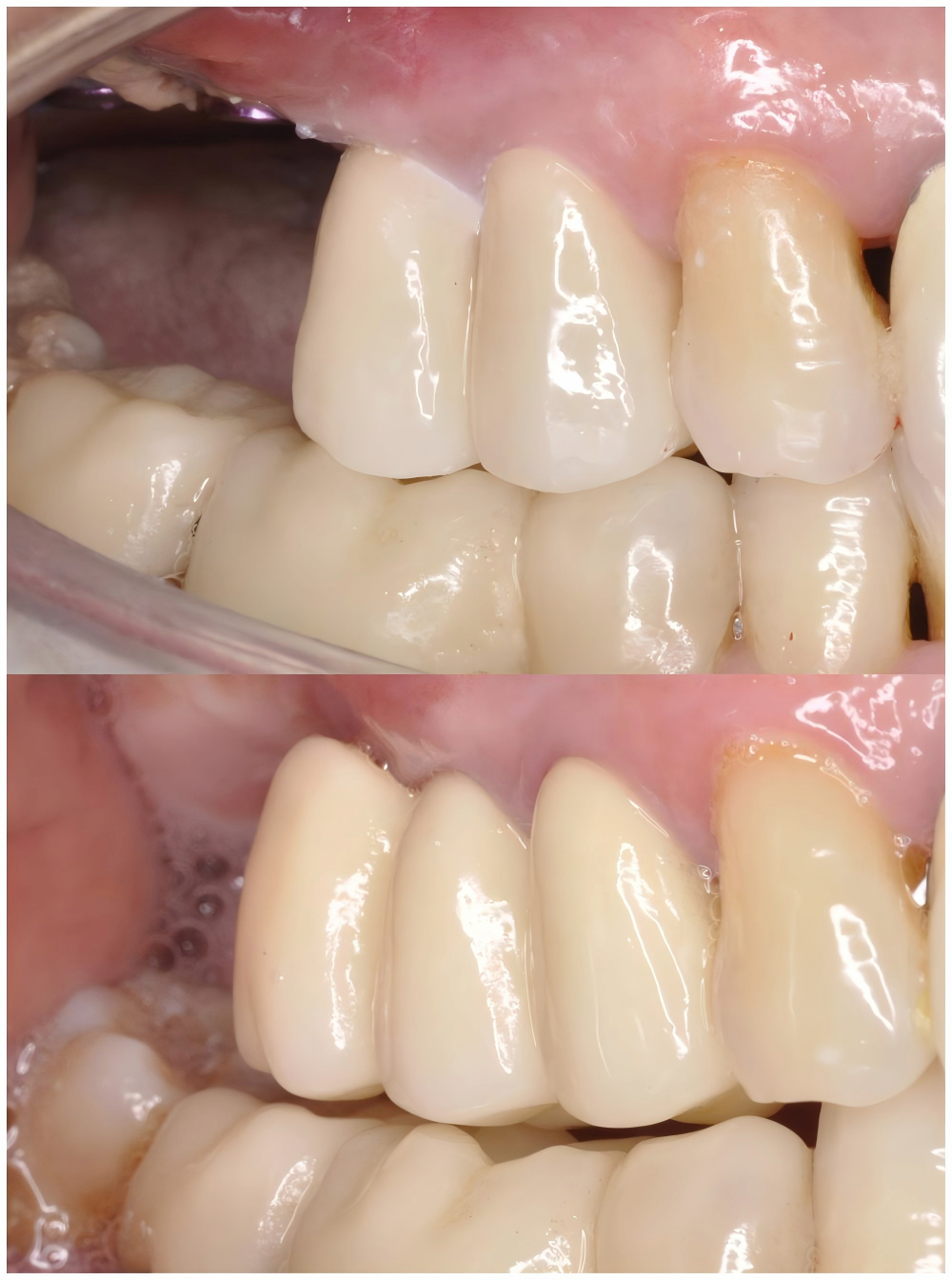
Dental implant contraindications are important for anyone who plans to replace missing teeth with implants. A dental implant is a restorative method for missing teeth. It uses a lower structure placed inside the jawbone to support and hold the upper dental restoration.
In simple terms, implant treatment includes two main parts. One part is the dental implant, which works like an artificial tooth root. The other part is the implant-supported prosthesis, such as a crown, bridge, or denture.
Usually, the implant is made from artificial materials, such as metal or alloy materials. Through surgery, the dentist places it into the jawbone. After that, the implant gains firm support from the bone. Then, a special device connects the implant with the upper restoration.
As a result, dental implants can restore chewing function, tooth structure, and appearance. They can look and feel close to natural teeth. Therefore, more and more patients with missing teeth choose implant treatment. However, dental implants are not suitable for everyone.
Why Dental Implants Are Not Suitable for Everyone
Dental implants can offer a stable and beautiful repair effect. However, implant treatment is still a surgical procedure. Therefore, patients need a careful oral and general health evaluation before treatment.
Some people may have oral conditions that increase implant risks. For example, jawbone disease, untreated tooth decay, gum disease, dry mouth, or poor bite relationship may affect the result. In these cases, patients may need treatment first.
In addition, some people may have general health problems. These conditions may affect healing, infection control, bleeding control, or long-term implant stability. Therefore, the dentist must check the patient’s health condition before surgery.
In many cases, contraindications do not always mean the patient can never receive implants. Instead, they may mean the patient should treat the related condition first. After the condition improves, implant treatment may become possible.
Local Contraindications for Dental Implants
Some dental implant contraindications come from the mouth and jaw area. These are called local contraindications. They may affect implant placement, healing, function, and long-term stability.
First, an unfavorable relationship between the upper and lower jaws may affect implant treatment. If the jaw relationship is not good, the patient may need correction first. For example, orthodontic treatment or jaw surgery may be needed before implant placement.
Second, bite and functional disorders may also affect the implant. If the bite is unstable, the implant may receive too much pressure. Therefore, the dentist should treat bite and functional problems first. After that, implant restoration may be considered.
Third, jawbone lesions should be treated before implant surgery. These may include jaw tumors, inflammation, or other jawbone diseases. Patients should go to the hospital for treatment first. After recovery, the dentist may consider implant restoration.
Dry Mouth and Enlarged Tongue
Dry mouth is also an important local contraindication for dental implants. Patients with dry mouth may face a higher implant risk. Because the mouth lacks enough saliva, the tissues around the implant may become inflamed more easily.
In addition, dry mouth may increase the chance of peri-implant tissue inflammation. It may also increase the risk of implant loosening or implant loss. Therefore, patients with dry mouth need careful evaluation before implant treatment.
An enlarged tongue may also affect implant treatment. If the tongue is too large, it may place too much force on the implant. This pressure may affect the stability of the implant and restoration.
Therefore, if a patient has a very large tongue and still wants implant treatment, surgical correction may be needed first. After the tongue problem is improved, the dentist may evaluate whether implant treatment is suitable.
Untreated Tooth Decay and Periodontal Disease
Untreated tooth decay and periodontal disease are also important dental implant contraindications. If a patient has poor oral hygiene, implant treatment may carry a higher risk.
Tooth decay and gum disease mean that harmful bacteria already exist in the mouth. If these diseases are not treated before implant surgery, the tissues around the implant may become infected. This may affect healing and long-term implant success.
Therefore, patients should treat oral diseases first. For example, cavities should be repaired. Periodontal disease should be controlled. Dental plaque and calculus should also be cleaned.
After treatment, the patient must also develop good oral hygiene habits. If the patient can keep the mouth clean and follow dental instructions, implant restoration may be considered later.
Temporary General Contraindications
Some general health conditions may only delay implant treatment for a period of time. These are temporary general contraindications. After the condition improves, the patient may receive another evaluation.
Uncontrolled acute inflammation is one example. If the body has active inflammation or infection, implant surgery should usually be postponed. The patient should treat the inflammation first.
Pregnancy is another temporary contraindication. Implant surgery is usually not an urgent treatment. Therefore, pregnant patients may wait until after pregnancy before considering implant treatment.
Short-term use of anticoagulants or immunosuppressive drugs may also affect implant surgery. These medicines may influence bleeding, immunity, or healing. Therefore, the dentist should evaluate the patient carefully.
In addition, short-term physical and psychological overload may also delay implant treatment. If the patient is under heavy stress, the body may not be in the best condition for surgery.
Absolute Contraindications for Dental Implants
Some conditions may make implant treatment unsuitable. These can be understood as absolute contraindications. In these cases, the patient may not be a good candidate for implant surgery.
First, patients with abnormal mental or psychological conditions may not be suitable for implant treatment. Implant surgery requires understanding, cooperation, and long-term maintenance. If the patient cannot cooperate, treatment may become difficult.
Second, patients with poor compliance may not be suitable for implants. Implant treatment does not end after surgery. The patient must follow instructions, attend follow-up visits, and keep good oral hygiene.
Third, alcoholism and drug use may affect implant treatment. These habits may harm general health, healing ability, and daily oral care. Therefore, they may increase the risk of implant failure.
In addition, some neurological or psychological problems may also affect treatment cooperation. Emotionally unstable patients may also need careful evaluation before implant surgery.
Relative Contraindications for Dental Implants
Some conditions are not always absolute barriers. However, they may increase risk. These are relative contraindications. If the condition improves, implant treatment may be considered.
Poor general nutrition is one example. If a patient has very poor nutrition, healing may be affected. However, if nutrition improves and reaches a normal level, implant surgery may be possible.
Long-term use of corticosteroids, immunosuppressive drugs, or antibiotics also needs attention. These medicines may affect the body’s response to surgery. Therefore, the dentist should evaluate the patient’s general condition. The patient may also need advice from a physician.
Metabolic disorders are another concern. For example, uncontrolled hyperthyroidism or diabetes may increase surgical risk. The patient should control the disease first. After the disease becomes stable, the dentist may evaluate implant treatment again.
Blood, Heart, and Bone Conditions
Blood system diseases may also affect implant treatment. These may include anemia, low white blood cell count, or bleeding disorders. Patients should treat these diseases first. They should also ask a physician whether implant surgery is suitable.
Cardiovascular diseases may also need careful evaluation. These may include high blood pressure, coronary heart disease, and other heart conditions. Patients should control the disease first. Then, the dentist can decide whether implant restoration is suitable according to the overall condition.
Bone metabolism problems may also affect implant success. These may include rickets, Paget’s disease, osteogenesis imperfecta, and other bone conditions. Patients should consult the related physician first.
After the doctor evaluates the patient’s general condition, the dentist can decide whether implant treatment is suitable. This step helps reduce surgical risk and improve treatment safety.
Collagen Diseases and Immune-Related Conditions
Some collagen diseases may also affect implant treatment. These may include scleroderma, Sjogren’s syndrome, rheumatoid arthritis, and similar diseases.
These conditions may influence the body’s immune response, soft tissue condition, saliva flow, or healing ability. Therefore, patients should not rush into implant surgery.
Instead, they should first consult the related physician. The physician can evaluate the patient’s general health condition. Then, the dentist can decide whether implant treatment is suitable.
In some cases, implant treatment may still be possible after careful evaluation. However, the treatment plan may need to be more cautious. The dentist may also arrange closer follow-up after surgery.
How Patients Should Prepare Before Implant Treatment
Before implant treatment, patients should first receive a complete oral examination. The dentist should check the teeth, gums, jawbone, bite, and oral hygiene condition.
If there is tooth decay, gum disease, jaw inflammation, or other oral disease, the patient should treat it first. This can help create a better oral environment for implant surgery.
Patients should also tell the dentist about their medical history. This includes pregnancy, diabetes, heart disease, blood disease, bone disease, immune disease, and long-term medication use.
In addition, patients should be honest about alcohol use, drug use, smoking, psychological stress, and cooperation ability. These factors may affect implant healing and long-term success.
Summarize
Dental implant contraindications should be taken seriously before implant surgery. Dental implants can restore missing teeth with good function, structure, and appearance. However, they are not suitable for every patient.
Local contraindications include poor jaw relationship, bite disorders, jawbone lesions, dry mouth, enlarged tongue, untreated tooth decay, and periodontal disease. General contraindications include acute inflammation, pregnancy, medication influence, poor nutrition, metabolic disorders, blood diseases, cardiovascular diseases, bone metabolism problems, collagen diseases, and poor treatment cooperation.
Therefore, patients should receive a complete examination before implant treatment. If a problem exists, it should be treated or controlled first. After the oral and general condition improves, the dentist can decide whether implant restoration is suitable. In this way, dental implant contraindications can help patients choose treatment more safely and wisely.