


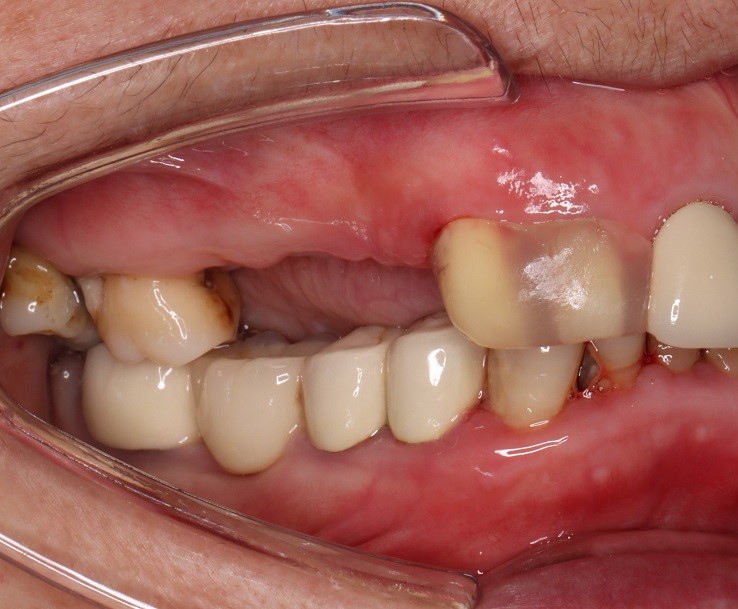
Why a Missing Tooth Should Not Be Ignored
Many people lose a tooth and decide to wait. They may still eat, speak, and smile without much trouble. Therefore, treatment may not seem urgent.
However, teeth do not work as isolated parts. They form a balanced system. Each tooth helps support the bite and guides nearby teeth.
When one tooth disappears, that balance may slowly change. Neighboring teeth may lean toward the open space. In addition, the opposing tooth may move farther out of its socket.
These changes do not always happen at the same speed. Still, they can make later treatment more difficult.
Food may also collect around tilted teeth. As a result, cleaning can become harder. Plaque may then increase the risk of tooth decay and gum inflammation.
For these reasons, learning about the available options for missing teeth matters. Early assessment can protect your bite, preserve treatment choices, and reduce future complications.
How Tooth Loss Changes the Dental Arch
A dental arch depends on contact between teeth. Each tooth helps keep the teeth beside it in position.
After tooth loss, the teeth next to the gap may begin to drift. They may also rotate or tilt. Meanwhile, a tooth in the opposite jaw may move into the unused space.
Dentists call this movement overeruption or supraeruption. It can reduce the space available for a future replacement.
Several problems may follow:
- The open space may become narrower.
- Neighboring teeth may become angled.
- The bite may become less even.
- Food may become trapped more easily.
- Cleaning between the teeth may become harder.
- A future crown or bridge may have less room.
However, not every gap causes severe movement. The amount of change depends on the tooth location, bite, age, gum health, and time.
Therefore, a dentist should assess each case individually. Waiting without an examination creates unnecessary uncertainty.
Delayed Treatment Can Limit Future Choices
Replacing one missing tooth can be relatively straightforward when the space remains stable.
However, treatment may become more complex after nearby teeth move. A dentist may need to correct the tooth positions before placing the final restoration.
For example, orthodontic treatment may reopen a space that has become too narrow. A dentist may also need to adjust the bite before designing a bridge or implant crown.
Therefore, delaying treatment may lead to:
- More dental appointments.
- Additional procedures.
- Longer treatment.
- Higher overall costs.
- More difficult cleaning.
- Less predictable cosmetic results.
Still, immediate replacement is not always necessary. Some gaps may be safely monitored. This may apply to certain wisdom teeth or spaces that do not affect function.
Even so, patients should not make that decision alone. A dentist needs to examine the bite, gums, bone, and remaining teeth.
Early advice does not always mean immediate surgery. Instead, it helps create a suitable treatment plan before the situation changes.
Can Missing Teeth Cause Jaw Joint Problems?
Missing teeth can change how a person chews. Some people begin using one side more than the other. Consequently, certain teeth and chewing muscles may carry extra pressure.
This imbalance may contribute to:
- Muscle fatigue.
- Uneven tooth wear.
- Difficulty chewing firm foods.
- Tenderness around the jaw.
- Changes in the way the teeth meet.
However, the relationship between missing teeth and temporomandibular disorders is complex.
Temporomandibular disorders, often called TMDs, include many conditions. They can affect the jaw joints and chewing muscles. Symptoms may include pain, clicking, stiffness, or limited jaw movement.
A missing tooth does not automatically cause TMD. Many other factors may play a role. These include clenching, grinding, injury, arthritis, stress, and muscle problems.
Therefore, claims that one missing tooth will certainly damage the jaw joint are too strong.
Still, restoring a disrupted bite may improve chewing comfort in suitable patients. A full examination remains essential before treatment begins.
What Happens to the Jawbone After Tooth Loss?
Natural tooth roots transfer chewing forces into the jawbone. After extraction, that local stimulation decreases.
As a result, the bone around the empty socket begins to remodel. Some width and height may gradually disappear.
Bone loss often happens fastest during the early healing period. However, remodeling may continue over time.
The amount varies greatly. It depends on:
- The extraction site.
- The original bone thickness.
- Gum health.
- Infection around the old tooth.
- Smoking.
- General health.
- The number of missing teeth.
- The length of time since extraction.
Bone loss does not mean that implant treatment becomes impossible. However, limited bone may make implant placement more complicated.
Some patients need bone grafting before or during implant surgery. Others may still have enough natural bone.
Dental implants replace part of the missing root structure. They integrate with the jawbone and can help maintain bone around the implant site. However, implants also require healthy gums, careful cleaning, and regular professional checks.
Missing Teeth and Chewing Efficiency
Teeth break food into smaller pieces before swallowing. Therefore, tooth loss can reduce chewing efficiency.
The effect depends on the number and location of the missing teeth.
Losing one front tooth may affect biting and speech. In contrast, losing several back teeth can make grinding food much harder.
People with reduced chewing ability may avoid certain foods. For example, they may eat fewer nuts, raw vegetables, meats, or fibrous fruits.
Instead, they may choose softer foods. Unfortunately, some soft foods contain more refined carbohydrates or added sugar.
This pattern does not mean tooth loss always causes poor nutrition. However, severe or multiple tooth loss can limit food choices.
Older adults may face a higher risk because they often have other health or dietary concerns.
A suitable dental replacement can improve chewing comfort. Nevertheless, the restoration alone does not guarantee better nutrition.
Patients may also need dietary advice, gum treatment, dry-mouth care, or help managing underlying health conditions.
Does Tooth Loss Make the Face Look Older?
Teeth and jawbones help support the lips and lower face. Therefore, extensive tooth loss can affect facial appearance.
The change becomes more noticeable when many teeth are missing. It may also become more visible after significant jawbone loss.
Possible changes include:
- Reduced support for the lips.
- A shorter lower facial height.
- Deeper lines around the mouth.
- A sunken appearance.
- A less defined jaw profile.
- Downturned corners of the mouth.
However, one missing back tooth will not usually cause dramatic facial collapse.
Facial changes depend on the number of missing teeth, bone loss, age, skin elasticity, muscle tone, and denture support.
Therefore, statements such as “one missing tooth will make you look old” are misleading.
Still, replacing several missing teeth can restore support and improve facial proportions. Well-designed dentures may support the lips and cheeks. Implant-supported restorations may also improve stability.
The goal should include function, comfort, health, and natural appearance rather than appearance alone.
Main Options for Missing Teeth
Modern dentistry offers several ways to replace lost teeth. The most common treatments include removable dentures, fixed dental bridges, and dental implants.
However, no single treatment suits every patient.
A dentist must consider:
- The number of missing teeth.
- The location of each space.
- The health of neighboring teeth.
- Gum and bone conditions.
- The patient’s bite.
- General health.
- Oral hygiene.
- Smoking habits.
- Treatment time.
- Budget.
- Personal preferences.
Sometimes, the best plan combines more than one method. For example, implants may support a bridge or stabilize a removable denture.
In other cases, leaving a carefully selected space untreated may be reasonable.
Therefore, the phrase “best tooth replacement” needs context. A treatment may offer excellent results for one person but create unnecessary risk for another.
A full dental examination should include X-rays when appropriate. The dentist can then explain the benefits, limits, risks, and expected maintenance of each option.
Option One: Removable Dentures
Removable dentures can replace one tooth, several teeth, or a complete arch.
A partial denture uses replacement teeth attached to a base. Clasps or other components help secure it to the remaining teeth.
A complete denture replaces all teeth in the upper or lower arch.
Advantages may include:
- Lower initial cost than many implant treatments.
- Ability to replace several teeth at once.
- Relatively short production time.
- No implant surgery.
- Easier repair or modification in some cases.
However, dentures also have limitations:
- They may move during chewing.
- They can feel bulky at first.
- Food may collect underneath them.
- They provide less chewing force than natural teeth.
- They require daily removal and cleaning.
- The fit may change as the jawbone remodels.
Some patients need denture adhesive. Others require periodic relining or replacement.
Dentures should not be worn continuously without professional advice. The gums and denture surfaces also need regular examination.
Option Two: Fixed Dental Bridges
A fixed dental bridge fills a gap with an artificial tooth called a pontic. Dental crowns or other retainers hold the bridge in place.
A traditional bridge often relies on the teeth beside the gap. Those supporting teeth must usually be shaped for crowns.
Benefits may include:
- A fixed restoration that does not require daily removal.
- Improved appearance.
- Better chewing in the missing area.
- Faster treatment than many implant plans.
- No implant placement surgery.
- Stable support when the neighboring teeth are suitable.
However, a conventional bridge also has disadvantages:
- Healthy tooth structure may need removal.
- Supporting teeth carry additional load.
- Decay may develop around the crown margins.
- Cleaning under the artificial tooth requires special tools.
- A problem with one supporting tooth may affect the whole bridge.
- The bridge does not replace the missing tooth root.
A bridge may make particular sense when the neighboring teeth already need crowns.
However, it may be less attractive when both adjacent teeth are healthy and untouched. Dentists must compare the long-term effects before recommending treatment.
Option Three: Dental Implants
A dental implant is an artificial root placed in the jawbone. After healing, it can support a crown, bridge, or denture.
Implants may replace one tooth or several teeth. They can also stabilize full-arch restorations.
Potential advantages include:
- No need to shape healthy neighboring teeth.
- Strong support for chewing.
- A natural appearance.
- Good stability.
- Support for different restoration designs.
- Bone preservation around the implant site.
However, implants are not suitable for every patient.
Treatment requires enough bone and healthy soft tissue. In addition, patients need good plaque control and realistic expectations.
Factors that may affect treatment include:
- Active gum disease.
- Smoking.
- Poorly controlled diabetes.
- Certain medicines.
- Severe bone loss.
- Teeth grinding.
- Previous radiation treatment.
- Poor oral hygiene.
- Some medical conditions.
Implants cannot develop tooth decay. Nevertheless, the tissues around them can become inflamed.
Without proper care, peri-implant mucositis or peri-implantitis may develop. Peri-implantitis includes supporting bone loss and may require complex treatment.
How Long Does Missing Tooth Treatment Take?
Treatment time varies greatly. Therefore, patients should avoid plans that promise the same schedule for everyone.
A removable denture may require several appointments over a few weeks. However, extra visits may be needed for adjustments.
A bridge may also take several weeks. The process often includes tooth preparation, impressions or digital scans, temporary restorations, and final fitting.
Implant treatment can take longer.
A typical plan may include:
- Initial examination and imaging.
- Treatment of decay or gum disease.
- Tooth extraction when needed.
- Socket healing.
- Bone grafting when required.
- Implant placement.
- Osseointegration.
- Placement of the final crown.
Some patients can receive an implant soon after extraction. Some may also receive a temporary tooth on the same day.
However, same-day treatment does not mean complete healing has occurred. The implant still needs time to integrate with the bone.
Therefore, the entire process may take several months. Complex bone grafting can extend the schedule further.
Why Early Assessment Can Save Time
Early assessment gives the dentist more information and often preserves more choices.
For example, a dentist may discuss socket preservation at the time of extraction. This procedure may help limit changes in the extraction site.
However, socket preservation cannot stop all bone remodeling. It also does not guarantee that later implant treatment will be simple.
Early planning can also identify:
- Gum disease that needs treatment.
- Tooth decay in nearby teeth.
- Bite problems.
- Inadequate space.
- Infection.
- Bone defects.
- Habits such as grinding.
- Medical factors that affect healing.
In some cases, the dentist may recommend a temporary replacement. This can protect appearance while the area heals.
In other cases, no temporary tooth is needed.
The key point is not that every tooth must be replaced immediately. Instead, every missing tooth should be evaluated promptly.
That evaluation gives patients time to compare treatment costs, benefits, risks, and maintenance needs before the dental arch changes further.
Delaying Treatment Versus Planning Early
Consider two patients who lose similar teeth.
The first patient seeks advice soon after extraction. The dentist examines the bone, protects the site when appropriate, and monitors healing. The patient then receives a suitable replacement.
The second patient waits several years without dental reviews. During that time, neighboring teeth tilt and the opposing tooth moves. The bone also changes.
The second patient may still receive successful treatment. However, the plan may require extra steps.
These steps could include:
- Orthodontic space correction.
- Bone grafting.
- Gum treatment.
- Adjustment of overerupted teeth.
- New crowns on damaged teeth.
- A different restoration design.
Still, this example should not become a rigid rule.
Some people maintain usable space and bone for years. Meanwhile, others experience faster changes.
Therefore, a dentist cannot predict the exact outcome without an examination.
Early care does not always mean cheaper care. However, it often reduces uncertainty and helps protect simpler treatment choices.
How to Choose the Right Treatment
The best replacement should match both the mouth and the patient’s priorities.
For example, a young adult with healthy adjacent teeth may prefer an implant. This choice can avoid preparing those teeth.
In contrast, a bridge may suit someone whose neighboring teeth already need crowns.
A removable partial denture may suit a patient with several missing teeth and a limited budget. It may also serve as an interim solution.
Patients should ask the dentist several questions:
- Which treatments are suitable for my case?
- What happens if I leave the space untreated?
- Do I have enough bone for an implant?
- Will nearby teeth need crowns?
- How long will treatment take?
- What maintenance will I need?
- What complications are possible?
- What is the total expected cost?
- How often will the restoration need review?
- Are future repairs included in the plan?
Clear answers help patients make informed choices. They also reduce unrealistic expectations about comfort, durability, and treatment time.
Daily Care After Tooth Replacement
Every tooth replacement needs maintenance.
For dentures, patients should clean all surfaces each day. They should also clean the gums, tongue, and remaining teeth.
Dentures need careful handling because they can break when dropped. In addition, hot water may distort some denture materials.
Bridge care requires cleaning beneath the artificial tooth. Normal floss cannot always pass through the joined crowns.
Therefore, patients may need:
- Floss threaders.
- Super floss.
- Interdental brushes.
- A water flosser.
- Other tools recommended by the dental team.
Implants also need daily plaque removal. Although implants cannot decay, inflammation can damage the surrounding gums and bone.
Patients should brush around the implant crown and clean between the teeth.
Regular professional visits remain essential. The dentist can inspect the restoration, gums, bite, supporting teeth, and bone.
Good care can extend the useful life of every treatment. However, no restoration should be considered maintenance-free.
Eating Habits That Protect Restorations
Most patients can return to a varied diet after treatment and healing.
However, hard or sticky foods can damage both natural teeth and restorations.
Patients should avoid using their teeth to:
- Crack nut shells.
- Bite ice.
- Open packaging.
- Hold metal objects.
- Chew pens.
- Break hard candy.
Sticky sweets may pull on removable restorations. They can also increase the risk of decay around bridge crowns and natural teeth.
During early healing, implant patients may need softer foods. They should follow their surgeon’s instructions.
A balanced diet also supports oral and general health.
Useful choices may include:
- Vegetables.
- Fruit.
- Eggs.
- Fish.
- Lean meat.
- Beans.
- Dairy products.
- Whole grains.
- Unsweetened drinks.
However, diet advice should reflect medical needs. Patients with diabetes, swallowing problems, allergies, or digestive conditions may need professional guidance.
The aim is not to avoid all firm foods forever. Instead, patients should use restorations sensibly and reduce unnecessary damage.
Summary: Replace the Gap Before It Becomes Complicated
A missing tooth is more than an empty space. Over time, nearby teeth may drift, the opposing tooth may overerupt, and the jawbone may remodel.
However, these changes vary between patients. A single missing tooth does not automatically cause severe jaw disease, digestive illness, or dramatic facial collapse.
The main replacement methods include removable dentures, fixed bridges, and dental implants.
Dentures can replace many teeth at a lower initial cost. Bridges provide a fixed solution but may require preparation of nearby teeth. Implants replace part of the root and avoid cutting healthy adjacent teeth, but they require surgery, suitable tissues, and careful maintenance.
Therefore, no method is universally best.
A dentist should examine the space, gums, bone, bite, health history, and remaining teeth. The patient should then compare comfort, cost, treatment time, risks, and long-term care.
Understanding the options for missing teeth allows patients to act before a manageable gap becomes a more complex dental problem.