


Why Dental Implants Take Time
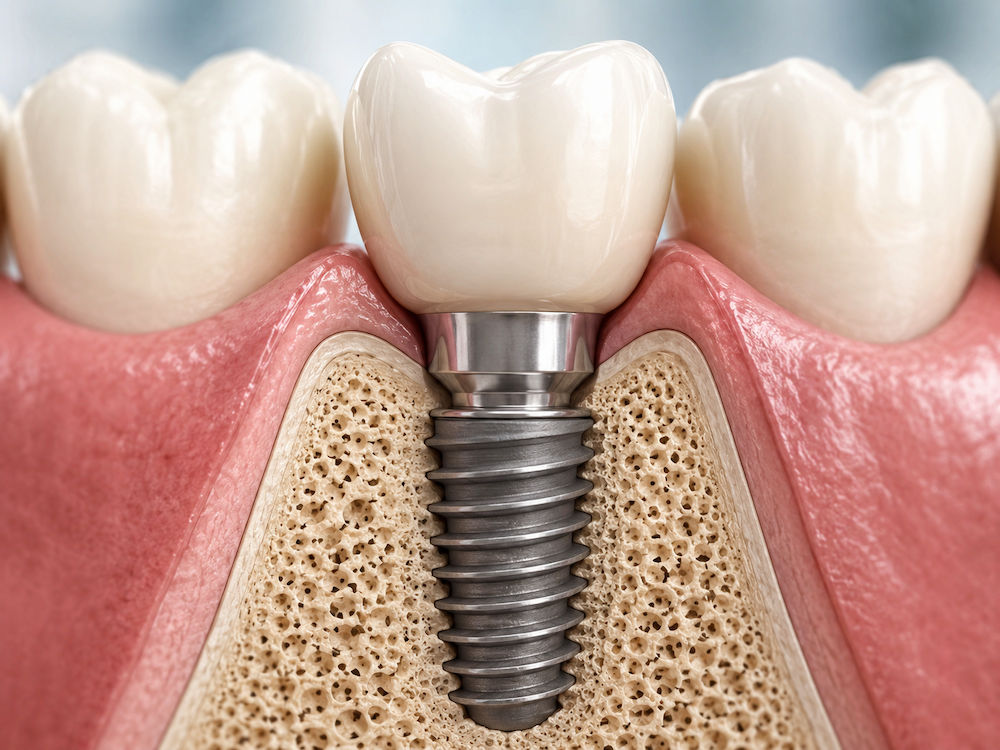
After dental implant surgery, many patients wonder why the final crown cannot be placed right away. The implant may already be in the jawbone, and the gum may stop hurting within days. However, comfort does not mean the implant is ready for full chewing force. The main reason for waiting is the osseointegration dental implant process, which allows bone to attach closely to the implant surface.
This waiting period is not a delay for no reason. Instead, it gives the jawbone time to build a stable foundation around the implant. A dental crown can only work well when the implant beneath it is strong enough to support biting and chewing. Therefore, the healing stage is a key part of treatment, not an empty gap between appointments.
An Implant Is Not a Nail
A dental implant may look like a small screw, but it does not work like a nail driven into wood. At surgery, the dentist places the implant into a carefully prepared space in the jawbone. At that moment, the implant gains early stability from its fit in the bone. However, this first hold is mainly mechanical.
The long-term strength comes from living bone. Over time, bone cells attach to the implant surface and begin forming new bone around it. As a result, the implant becomes supported by the body’s own tissue. This process is called osseointegration, and it is what helps an implant act like an artificial tooth root.
If the implant takes too much pressure too early, healing can be disturbed. Instead of firm bone contact, softer tissue may form around the implant. Because of this, the implant may become loose or fail to integrate well. Most importantly, the goal is not simply to place the implant, but to let the bone accept it.
The Stages of Bone Healing
Implant healing usually happens in several stages. The exact timing can vary, but the general pattern explains why dentists often recommend waiting before placing the final crown. In the first stage, the implant has primary stability. This means it is held in place by the bone at the time of surgery.
During the next few weeks, the body begins repair and remodeling. Bone-forming cells move toward the implant surface, attach, and start producing new bone matrix. However, this connection is still developing. Therefore, the implant needs protection from strong chewing forces during this stage.
Later, the new bone becomes more mature and mineralized. The connection between the jawbone and implant surface becomes stronger. At this point, the dentist may decide the implant can support the next step, such as an abutment and crown. Still, that decision should come from an exam, not from time alone.
Osseointegration Dental Implant Timeline
Many routine implant cases need about three months of healing before the final restoration. However, the timeline is not the same for every patient. Bone quality, implant location, general health, smoking habits, and whether bone grafting was needed can all affect healing. Because of this, a dentist may recommend a shorter or longer wait.
The lower jaw often has denser bone and a good blood supply. Therefore, some lower-jaw implants may reach useful stability sooner. In contrast, the upper jaw, especially the back tooth area, often has softer bone. As a result, healing there may take longer.
If bone grafting is part of treatment, the timeline often extends. Graft material needs time to support new bone growth and become part of a stronger foundation. In many cases, grafted areas need several extra months before the implant can be restored. Therefore, the dentist’s schedule is based on biology, not just convenience.
Why Some Implants Are Buried
Some patients have an implant placed under the gum and completely covered during healing. This is often called a two-stage or submerged implant approach. Later, the dentist makes a small opening in the gum to uncover the implant. Then a healing cap or abutment can be attached.
Other patients leave surgery with a small healing cap visible above the gumline. This is often called a one-stage or non-submerged approach. It may reduce the need for a second minor procedure. However, it is not suitable for every case.
The choice depends on the condition of the bone and the stability of the implant. If the bone is strong and the implant feels very stable, a one-stage approach may work well. However, if the bone is thin, grafted, or needs extra protection, the dentist may prefer to bury the implant. This can give the site a quieter healing environment.
The Benefit of Protected Healing
A buried implant may face less irritation from food, the tongue, or accidental contact. In addition, covering the implant can help protect the healing site during the early phase. This may be helpful when the bone needs more time or when grafting was performed. However, the benefit depends on the individual case.
The tradeoff is that a second minor procedure is usually needed before the crown stage. During that visit, the dentist opens the gum and connects a healing component. This is usually smaller than the original implant surgery. Still, it adds another appointment and a short gum-healing period.
A non-buried implant can be more convenient when the bone conditions are favorable. However, convenience should not be the only goal. The implant still needs a stable bone connection before it carries chewing force. Therefore, the safest plan is the one that matches the patient’s bone, bite, and healing risk.
What the Dentist Is Waiting For
When the dentist recommends waiting, the main goal is to protect the forming bone connection. A crown transfers chewing force into the implant. If that force arrives too soon, it may interfere with healing. Because of this, the crown is often delayed until the implant becomes stable enough.
Some patients may qualify for immediate or early loading. In those cases, a temporary tooth or restoration may be attached sooner. However, this requires careful planning and strong initial implant stability. In addition, the bite must be controlled so the implant does not receive too much pressure.
Patients should avoid comparing timelines with friends or online examples. One person may have dense lower-jaw bone, while another may need grafting in the upper jaw. As a result, both patients can receive correct care with different schedules. The dentist’s decision should come from clinical findings, X-rays or scans, and follow-up checks.
How Bone Grafting Changes Timing
Bone grafting may be needed when the jawbone is too thin, too soft, or too low to support an implant well. The graft helps rebuild the site so the implant has a better foundation. However, grafting adds another healing process. Therefore, the overall treatment time may become longer.
Sometimes a dentist can place a small graft at the same time as the implant. In other cases, the graft needs to heal before the implant can be placed. The right approach depends on how much bone is missing and where the implant will go. In addition, the dentist considers the patient’s health and infection risk.
The body needs time to remodel the grafted area. New bone gradually grows into the grafted site and becomes stronger. Because of this, patients with bone grafting may wait several additional months. This can feel slow, but it helps create a better base for the implant and crown.
How to Protect the Healing Implant
The healing period is active, even when the implant feels quiet. Patients can help protect the site by reducing pressure and keeping the mouth clean. However, every patient should follow the specific instructions from the treating dentist or oral surgeon. Those instructions may differ based on the procedure.
These general habits often help protect implant healing:
- Chew on the opposite side if the dentist recommends it.
- Keep the surgical area clean with gentle brushing.
- Use any prescribed or recommended mouth rinse as directed.
- Avoid smoking during the healing period.
- Attend follow-up visits even if there is no pain.
- Contact the dental office if swelling, bleeding, pain, or looseness appears.
Pain relief does not prove that osseointegration is complete. In many cases, soft tissue feels better before the bone has fully matured. Therefore, follow-up visits are important. The dentist can check gum health, implant stability, and healing progress before moving forward.
Smoking and Implant Healing
Smoking can make implant healing less predictable. Tobacco use may affect blood flow, wound healing, and the body’s response to inflammation. Because of this, smokers can have a higher risk of implant complications than non-smokers. The risk may be especially important during early healing.
This does not mean every smoker will lose an implant. However, it does mean smoking is a serious factor in treatment planning. A dentist may recommend stopping smoking before and after surgery. In addition, the dentist may schedule closer follow-up if a patient smokes.
Quitting or reducing tobacco use can support better healing. Meanwhile, good oral hygiene also matters because inflammation around the implant can affect bone stability. Most importantly, patients should discuss smoking habits honestly with their dental team. This helps the dentist choose a safer plan.
Modern Implants Still Need Time
Dental implant technology continues to improve. Many implant surfaces are designed to support bone cell attachment. In some cases, these advances may help shorten healing time. However, they do not remove the need for bone biology.
Digital planning, guided surgery, and improved grafting materials can also make treatment more predictable. Still, these tools cannot make every patient heal at the same speed. Bone density, gum health, bite pressure, medical history, and daily habits all matter. Therefore, the dentist must tailor the timeline to the patient.
A faster plan may be possible in selected cases. However, waiting is often the more reliable choice when the bone needs protection. Instead of seeing the waiting period as wasted time, patients can see it as foundation-building. A beautiful crown needs strong support underneath.
Frequently Asked Questions
How do you know when osseointegration is complete?
A dentist checks implant stability, gum health, symptoms, and imaging when needed. The implant should feel firm and show healthy healing around it. However, patients cannot judge this by pain level alone.
What are the downsides of osseointegration?
The main downside is time. Patients may need several months before receiving the final crown. In addition, healing can be affected by smoking, infection, poor bone quality, or too much early force.
How long does it take for a dental implant to integrate?
Many dental implants need about three months to integrate. However, some lower-jaw implants may heal sooner, while upper-jaw or grafted sites may take longer. The dentist decides based on the full clinical picture.
How long does it take for a dental bone graft to integrate?
A bone graft often needs several months to remodel and support an implant. Small grafts may heal faster than larger grafts. However, the exact timing depends on the site, graft type, and patient healing response.
Summary
Dental implants take time because they depend on living bone, not just mechanical placement. First, the implant gains early stability during surgery. Then bone cells attach, grow, and mature around the implant surface. Because this process develops gradually, the crown is often placed only after the dentist confirms adequate healing.
Some implants are buried under the gum during healing, while others heal with a visible cap. The best choice depends on bone quality, grafting needs, implant stability, and the patient’s overall risk factors. During the waiting period, gentle chewing, good hygiene, no smoking, and regular follow-up visits help protect the healing implant.
When your dentist recommends waiting about three months, the goal is to build a stable foundation for the final tooth. The crown is the visible part, but the bone connection underneath determines long-term support. In most cases, a well-planned osseointegration dental implant process gives the implant its best chance to function comfortably and predictably.