


Some Tooth Cracks Hurt Before You See Them
Craze lines in teeth are often described as tiny cracks on the enamel, the hard outer layer of a tooth. Many of them are shallow and painless. However, not every fine line on a tooth is harmless. When a crack goes deeper than the enamel, it may irritate the inner tooth structure and cause sharp pain, even if you cannot see a cavity.
A patient like Mr. Zhang, a 42-year-old man, may feel confused by this kind of pain. He bites down on a hard nut and suddenly feels a sharp, electric pain in a back tooth. Later, cold water and chilled food trigger the same tooth. However, when he looks in the mirror, he sees no obvious hole, swelling, or broken piece.
In cases like this, the problem may be a hidden crack. Dentists often call this a cracked tooth or cracked tooth syndrome when symptoms are present. In everyday language, patients may search for craze lines in teeth, but the painful condition is usually deeper than simple surface craze lines.
What Are Craze Lines In Teeth?
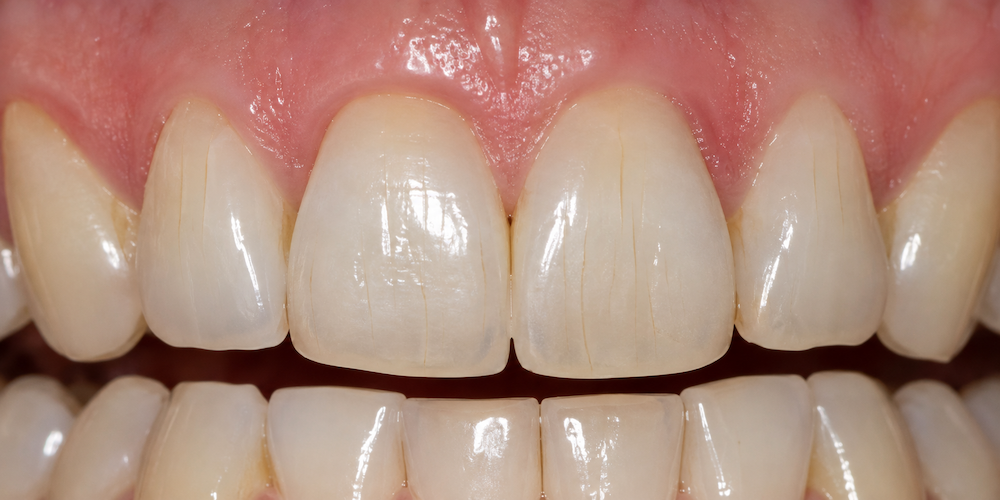
Craze lines are very fine cracks that affect only the outer enamel. They are common in adult teeth and often appear as thin vertical or surface lines. In many cases, they do not hurt and do not need treatment beyond monitoring and cosmetic discussion.
However, a cracked tooth is different. A deeper crack may start on the chewing surface and move into dentin, the layer under enamel. If it reaches the pulp, where nerves and blood vessels live, pain can become stronger and more unpredictable.
This distinction matters. True craze lines in teeth are usually harmless. A painful cracked tooth, on the other hand, needs a dental exam. The earlier a dentist finds the crack, the better the chance of protecting the tooth.
Why Hidden Cracks Are Hard to Notice
Hidden tooth cracks often develop in back teeth because those teeth handle the strongest chewing forces. Molars and premolars crush hard foods, absorb bite pressure, and often have deep grooves on the chewing surface. Because of this, small cracks may begin in those grooves and spread slowly.
These cracks can be difficult to see with the naked eye. Sometimes they are too thin, too deep, or hidden under an old filling. In other cases, the crack only opens slightly when you bite, then closes again when you release pressure.
As a result, patients may feel pain long before they see visible damage. This is why a tooth can look normal but still hurt badly. Therefore, pain when biting should never be ignored just because the tooth looks fine.
Common Symptoms to Watch For
A cracked tooth often sends signals before it becomes a dental emergency. The symptoms may come and go, which makes many patients delay treatment. Still, these warning signs deserve attention.
Common symptoms include:
- Sharp pain when biting on one exact spot
- Pain when releasing bite pressure
- Sensitivity to cold, heat, or sweet foods
- A feeling that one tooth is “high” or unstable
- Tenderness when the dentist taps the tooth
- Occasional pain that improves and then returns
The most typical symptom is a sudden, needle-like pain during chewing. Many patients can point to one tooth or one biting angle. However, the pain may disappear quickly, so they assume the problem is minor.
Cold sensitivity is also common. For example, ice water may cause a quick acidic or sharp feeling. If the pain lingers after the cold is gone, the crack may be irritating the pulp.
Why Pain Comes and Goes
Pain from a hidden crack can feel strange because it may not be constant. You may chew normally for hours, then feel severe pain from one small bite. This happens because the cracked parts of the tooth can move slightly under pressure.
When you bite down, the crack may open. That movement can irritate fluid inside the dentin or pressure the pulp. When you stop biting, the crack may close again, and the pain may fade.
This pattern is one reason cracked teeth are hard to diagnose. A regular X-ray may not show a fine crack clearly. Because of this, dentists often use bite tests, magnification, light, staining, periodontal probing, and symptoms together to find the problem.
From Craze Lines to Deeper Cracks
Not all cracks behave the same way. Some stay shallow for years and cause no symptoms. Others spread deeper because of chewing pressure, grinding, large fillings, trauma, or biting hard foods.
A simple way to understand crack severity is by depth:
- Shallow enamel lines: usually painless and cosmetic
- Dentin-level cracks: may cause biting pain and cold sensitivity
- Near-pulp cracks: may trigger stronger lingering pain
- Pulp-involved cracks: may cause spontaneous or night pain
- Split teeth: may break into separate parts and become difficult to save
Dentists may use different classification systems, so patients should not focus too much on the number or label. Instead, the important question is how deep the crack goes and whether the pulp or root is involved.
Most importantly, a tooth crack does not heal like a broken bone. Once the tooth structure cracks, treatment aims to stop the crack from spreading, reduce pain, and protect the remaining tooth.
What Causes These Tooth Cracks?
Several factors can make a tooth more likely to crack. Often, more than one factor is involved. A person may have a slightly uneven bite, grind at night, and also chew hard foods. Over time, the tooth becomes overloaded.
Common causes include:
- Biting hard foods such as nuts, ice, or hard candy
- Clenching or grinding the teeth
- Uneven bite pressure on one tooth
- Large old fillings that weaken tooth structure
- Missing teeth that shift chewing force elsewhere
- Age-related enamel wear and repeated chewing stress
Back teeth are especially vulnerable because they do heavy chewing work. If one tooth receives too much force, the stress may concentrate along grooves or cusps. As a result, a small hidden crack can begin and slowly worsen.
In addition, missing teeth can change the bite. When fewer teeth share the chewing load, one tooth may carry more pressure than it should. Therefore, replacing missing teeth and adjusting bite problems can help protect the remaining teeth.
When Craze Lines In Teeth Need Treatment
Many craze lines in teeth do not need active treatment if they are shallow, painless, and limited to enamel. A dentist may simply monitor them during checkups. If they bother you cosmetically, options such as polishing, bonding, or veneers may be discussed.
However, treatment becomes important when symptoms appear. Pain when biting, lingering cold sensitivity, or repeated discomfort may mean the crack is deeper. In that case, waiting can allow the crack to spread toward the pulp or root.
Treatment depends on the crack’s depth and direction. A dentist may recommend a bite adjustment, bonding, a filling, an onlay, or a crown. If the pulp becomes inflamed or infected, root canal treatment may be needed before the tooth receives a crown.
If the tooth has split deeply below the gumline, saving it may not be possible. In that case, extraction and replacement with an implant or bridge may become the safer option.
How Dentists Treat Cracked Teeth
The first goal is to reduce harmful pressure. If one cusp is hitting too hard, the dentist may gently adjust the bite. This helps prevent the tooth from flexing and may reduce pain.
For mild sensitivity, the dentist may seal the surface or place a bonded restoration. This can block outside刺激 from reaching the inner tooth. However, if the crack has weakened the tooth, a crown or onlay may give stronger protection by holding the tooth together.
If symptoms suggest pulp inflammation, root canal treatment may be required. During root canal treatment, the dentist or endodontist removes infected or inflamed pulp tissue. After that, a crown often protects the tooth from further cracking.
For a severely split tooth, treatment is more limited. Sometimes a portion of the tooth can be saved, depending on the crack’s position. However, if the fracture extends too far into the root, extraction may be necessary.
What You Can Do Before Your Visit
If you suspect a cracked tooth, avoid chewing hard foods on that side. Do not test the tooth repeatedly, even if you want to identify the painful spot. Repeated biting can make the crack worse.
Before your dental visit, you can take simple steps:
- Chew on the other side of your mouth
- Avoid ice, nuts, hard candy, and popcorn kernels
- Rinse with warm water if the tooth feels irritated
- Use over-the-counter pain medicine if suitable for you
- Schedule a dental appointment as soon as possible
Do not place aspirin directly on the gum or tooth. It can burn the soft tissue. Also, do not assume the pain is only “heatiness” or stress if it keeps returning.
Early care gives your dentist more choices. A small crack may be easier to stabilize. A deep crack that reaches the pulp or root is harder to manage.
How to Lower Your Risk
You cannot prevent every crack, but you can reduce the risk. The key is to protect teeth from overload. Because many cracks develop slowly, small habits matter.
Avoid chewing ice, shells, hard bones, or hard candy. If you grind your teeth at night, ask your dentist about a night guard. If your bite feels uneven, mention it during your checkup.
You should also replace missing teeth when appropriate. This helps spread chewing force more evenly. Meanwhile, regular dental visits allow your dentist to monitor old fillings, worn cusps, and early signs of cracks.
If you already notice craze lines in teeth, do not panic. Many are only surface lines. Still, if you also have pain, sensitivity, or biting discomfort, ask your dentist to examine the tooth carefully.
Frequently Asked Questions
Are craze lines in teeth dangerous?
Most craze lines in teeth are shallow enamel cracks and are not dangerous. They usually do not hurt. However, pain or sensitivity may suggest a deeper crack.
Can a cracked tooth heal by itself?
No. A tooth crack does not heal like bone. Dental treatment can protect the tooth and reduce the chance of the crack spreading.
Why does my tooth hurt when I bite but look normal?
A hidden crack can open slightly under bite pressure. This may irritate the inner tooth even when no cavity is visible. You should see a dentist for testing.
Do I need a crown for every cracked tooth?
Not always. Small cracks may need monitoring, sealing, bonding, or bite adjustment. Deeper cracks often need a crown for protection.
When should I see a dentist?
See a dentist soon if you feel sharp biting pain, lingering cold sensitivity, or repeated pain in one tooth. Early treatment improves the chance of saving the tooth.
Summary
Tiny tooth cracks can be confusing because they may hurt before you can see them. Some surface lines are harmless, but deeper cracks may cause sharp biting pain, temperature sensitivity, and repeated discomfort. Because symptoms can come and go, many patients delay treatment until the tooth becomes harder to save.
Treatment depends on the depth of the crack. A dentist may adjust the bite, seal the crack, place a crown, perform root canal treatment, or remove a severely split tooth. Prevention focuses on reducing overload, avoiding hard foods, treating grinding, and keeping regular dental visits.
Most importantly, do not judge the problem only by what you see in the mirror. If a tooth hurts when you bite or reacts strongly to cold, it deserves attention. Even when people search for craze lines in teeth, the real issue may be a deeper cracked tooth that needs timely care.