

Should I Brush My Teeth Before or After Breakfast?
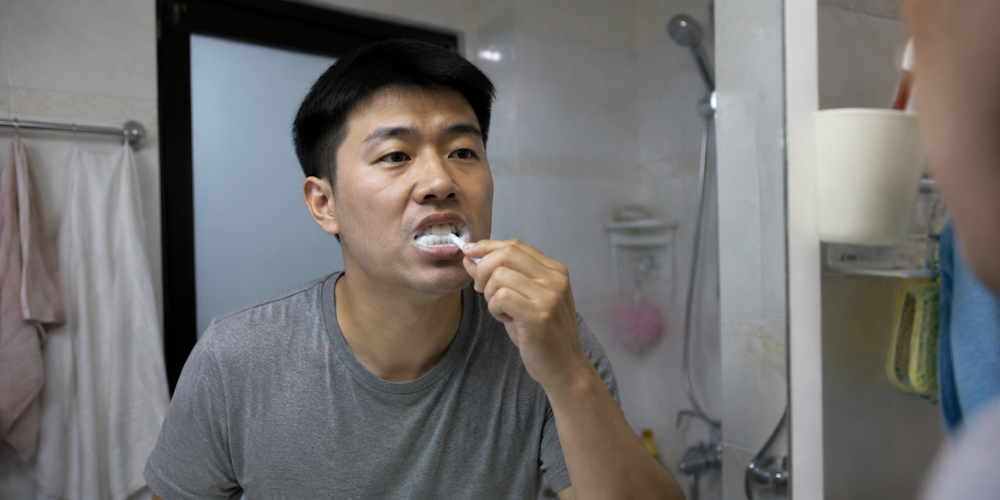
Should I brush my teeth before or after breakfast? This is one of those small daily questions that can feel surprisingly confusing. If you brush before eating, breakfast food may stay in your mouth afterward. However, if you wait until after breakfast, morning breath may make food less enjoyable.
For most healthy people, either choice can work. The most important point is that you brush well, brush long enough, and brush twice a day with fluoride toothpaste. Still, some people should be more careful about timing. For example, people with a high risk of cavities, acid erosion, or gum disease may need a more personalized routine.
Why Morning Brushing Matters
Your mouth does not “sleep” the same way you do. During the night, saliva flow usually decreases. Because saliva helps wash away food particles and control bacteria, your mouth may contain more bacteria when you wake up.
This is one reason morning breath happens. Bacteria break down proteins and food debris, then release unpleasant-smelling compounds. Therefore, brushing in the morning is not only about fresh breath. It also helps remove plaque bacteria before they mature and become harder to clean.
Plaque is a sticky film that builds on teeth. If it stays in place, it can contribute to cavities and gum inflammation. Because of this, morning brushing helps reset your mouth after a long night.
Before Breakfast or After?
For many people, brushing before breakfast is simple and effective. It removes overnight plaque, freshens breath, and coats teeth with fluoride before the first meal of the day. In addition, it can be easier to remember because it becomes part of the wake-up routine.
However, brushing after breakfast can also be acceptable, especially if breakfast is not acidic. If you prefer this routine, try to wait about 30 minutes after eating. This is especially important after coffee, citrus fruit, fruit juice, soda, or other acidic foods and drinks.
Acid can temporarily soften enamel, which is the hard outer layer of the tooth. Brushing too soon after acidic foods may increase wear over time. Therefore, if you ask, “Should I Brush My Teeth Before or After Breakfast?” the practical answer is: before breakfast is often safer, but after breakfast is fine if you wait.
Who Should Brush After Breakfast?
Some people may benefit from brushing after breakfast. This is especially true for people who are prone to cavities. After eating, bacteria in plaque use sugars and starches to produce acid. This acid can weaken enamel and increase cavity risk.
If you have frequent cavities, your dentist may suggest brushing after breakfast. However, timing still matters. If your meal includes acidic drinks or foods, rinse with water first and wait before brushing.
People with many fillings, deep grooves in back teeth, dry mouth, or orthodontic appliances may also need extra cleaning after meals. Still, do not scrub aggressively. A gentle, thorough technique matters more than force.
What About Gum Disease?
People with gum disease, also called periodontal disease, often benefit from brushing soon after waking. Overnight plaque can irritate the gums. Therefore, cleaning before breakfast may help reduce the bacterial load early in the day.
After breakfast, rinsing well with water can remove loose food debris. If food often gets trapped between teeth, floss or interdental brushes may help more than brushing alone. In addition, regular professional cleanings are important because hardened tartar cannot be removed with a toothbrush.
If your gums bleed, do not stop brushing. Bleeding often means the gums are inflamed. Instead, brush gently along the gumline and ask your dentist for guidance.
Night Brushing Is Non-Negotiable
Morning timing gets a lot of attention, but nighttime brushing may be even more important. During sleep, saliva flow drops. If plaque and food debris remain on your teeth overnight, bacteria have hours to produce acid.
Because of this, brushing before bed should be a fixed habit. It helps remove food residue, plaque, and bacteria before your mouth enters its lowest-saliva period. In addition, fluoride toothpaste stays on the teeth longer while you sleep.
A good daily routine should include:
- Brush twice a day with fluoride toothpaste
- Brush for at least two minutes each time
- Brush before bed every night
- Clean between teeth once a day
- Replace your toothbrush every three months
Oral Health Affects More Than Teeth
Many people think dental problems stay in the mouth. However, oral health can affect comfort, digestion, confidence, and general wellness. Gum inflammation, bad breath, tooth sensitivity, and chewing pain can all change daily life.
Research continues to explore links between oral bacteria and wider health conditions. Some studies have found associations between gum disease and heart health, diabetes control, and other systemic concerns. However, these links can be complex, and they do not mean one condition always directly causes another.
Still, the practical message is clear. Keeping your mouth clean supports your overall health routine. Therefore, brushing, flossing, regular dental visits, and early treatment all matter.
Five Common Brushing Mistakes
Even if you brush twice a day, poor brushing habits can leave plaque behind or damage teeth and gums. The goal is not to brush harder. Instead, the goal is to brush smarter.
Common mistakes include:
- Scrubbing side to side with too much force
- Brushing for only 20 or 30 seconds
- Using a toothbrush with very hard bristles
- Ignoring the tongue
- Keeping the same toothbrush too long
Horizontal scrubbing is a common problem. Over time, it can wear the tooth near the gumline and contribute to sensitivity. This type of wear is often called a cervical abrasion or wedge-shaped defect.
Brushing Too Hard Can Hurt
More pressure does not mean cleaner teeth. In fact, brushing too hard can damage enamel, irritate gums, and expose the root surface. Once gums recede, the exposed root may feel sensitive to cold, air, or touch.
A toothbrush should glide over the teeth with gentle pressure. If the bristles flare out quickly, you may be brushing too hard. Meanwhile, hard-bristled brushes can make the problem worse.
Most people should use a soft or medium-soft toothbrush. People with gum recession, periodontal disease, or older adults often do better with soft bristles. An electric toothbrush can also help because many models guide pressure and timing.
Do Not Forget the Tongue
The tongue has many small grooves and bumps. Because of this, bacteria and debris can collect there. If you brush your teeth but ignore your tongue, bad breath may continue.
You can clean your tongue with a tongue scraper or a soft toothbrush. Move gently from back to front. Do not press so hard that it hurts or causes gagging.
Tongue cleaning is not a replacement for brushing and flossing. However, it can improve freshness and reduce odor-causing buildup. In addition, it only takes a few seconds.
A Better Brushing Method
A gentle gumline technique works well for most adults. Place the toothbrush at about a 45-degree angle toward the gumline. Then use small vibrating or circular movements before sweeping away from the gums.
Try to brush in an organized pattern. Clean the outside surfaces, inside surfaces, and chewing surfaces. This helps you avoid missing the same areas every day.
A simple method looks like this:
- Brush 2 to 3 teeth at a time
- Use small motions near the gumline
- Clean outer, inner, and chewing surfaces
- Spend extra time on back teeth
- Brush for at least two minutes
For the inside of the front teeth, turn the brush vertically. Then use gentle up-and-down strokes. This area often collects plaque, especially near the lower front teeth.
After Breakfast Care Tips
If you brush before breakfast, you can still clean your mouth afterward. Rinse with water after eating. This helps wash away sugars, acids, and loose food particles.
If you drink coffee or juice, water is especially helpful. Sugar-free gum may also increase saliva flow after meals. However, it should not replace brushing.
If you prefer brushing after breakfast, wait when your meal is acidic. This gives saliva time to neutralize acids. As a result, you reduce the chance of brushing softened enamel.
Frequently Asked Questions
Is it better to brush before breakfast?
For many people, yes. Brushing before breakfast removes overnight bacteria and gives teeth fluoride protection before eating. It also avoids brushing immediately after acidic foods.
Can I brush right after breakfast?
You can, but it is better to wait if you had acidic foods or drinks. Coffee, orange juice, citrus fruit, and soda can soften enamel temporarily. Waiting about 30 minutes is a safer habit.
What if I have cavities often?
If you get cavities easily, your dentist may recommend brushing after breakfast. However, you should still avoid aggressive brushing. Rinse first and wait if your meal was acidic.
Should I rinse after brushing?
It is better to spit out excess toothpaste and avoid rinsing hard with water. This leaves more fluoride on your teeth. Fluoride helps protect enamel.
How often should I replace my toothbrush?
Replace it about every three months. Replace it sooner if the bristles are bent, frayed, or spread out. A worn toothbrush cleans less effectively.
Summary
Morning brushing helps remove overnight bacteria, reduce plaque, and freshen breath. For most healthy people, brushing before or after breakfast can both work. However, brushing before breakfast is often easier and may be safer if your breakfast includes acidic foods or drinks.
People with frequent cavities may benefit from brushing after breakfast, while people with gum disease may prefer brushing soon after waking and rinsing after eating. Most importantly, brush twice a day, brush before bed, use fluoride toothpaste, and clean between your teeth daily.
So, should I brush my teeth before or after breakfast?? Choose the timing you can do consistently, but avoid brushing immediately after acidic foods. Also, use gentle technique because hard scrubbing can lead to sensitivity, gum recession, and even a wedge-shaped defect near the gumline.