


3D printing has revolutionised modern dentistry, offering a cost-effective, versatile and efficient alternative to traditional fabrication methods. However, many dentists interested in adopting this technology face two common concerns: the high initial investment cost and the perception of the time and effort required to learn to use the technology. This article aims to demonstrate that 3D printing in conjunction with a digital workflow, from scanning with Medit intra-oral scanners to fabricating with the SprintRay 3D-printing system, is a viable and accessible option. It will highlight its clinical applicability, its potential return on investment and its ability to adapt to patients’ financial constraints.
Integrating a digital workflow
The digital workflow really begins at the first visit, with intra-oral scanning. The scanning process enables a completely digital approach from the first consultation, enabling the dentist to:
- provide a complete view of the patient’s intra-oral situation;
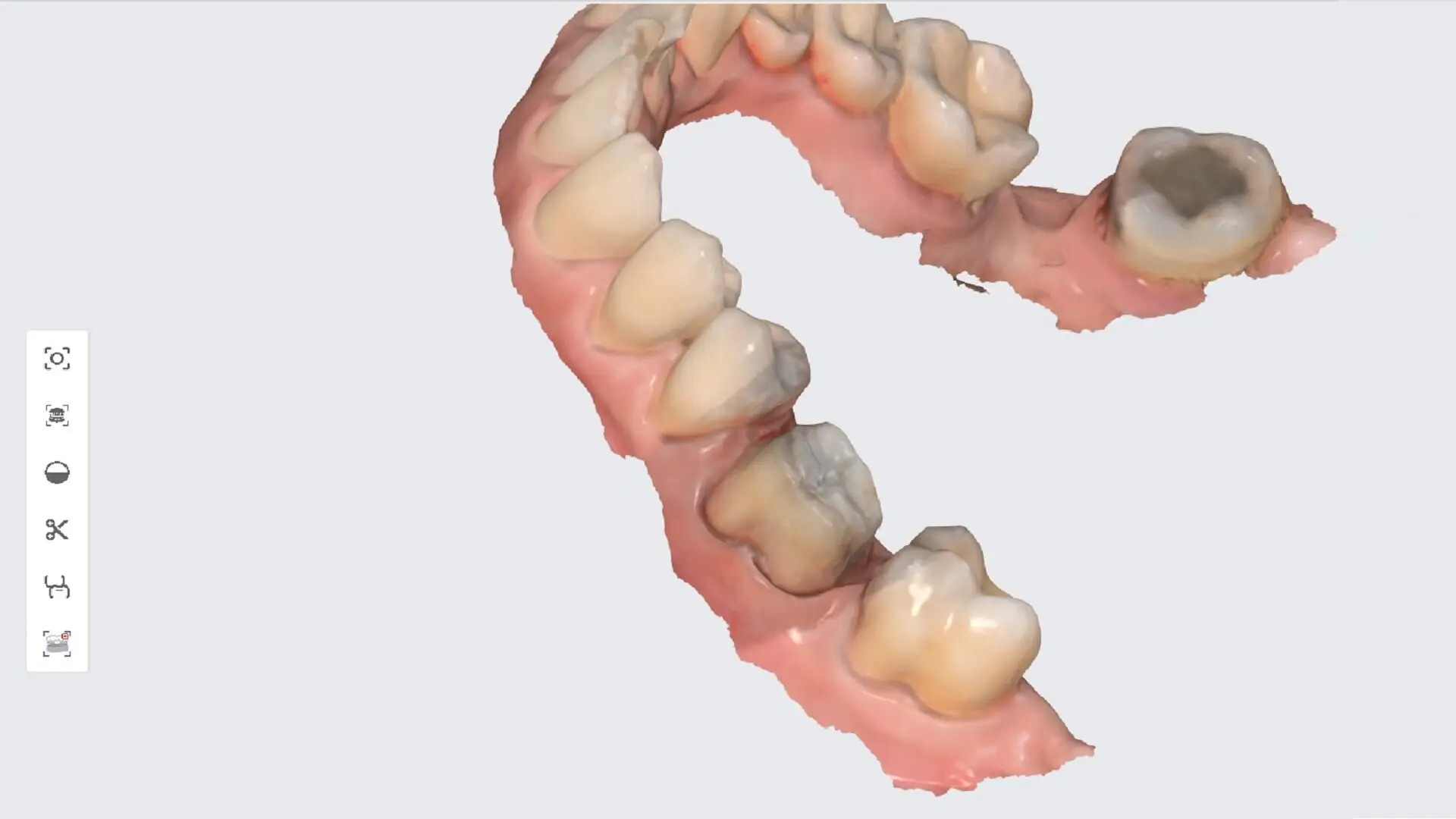
- analyse dental issues from a visual perspective, such as missing teeth and the effect of this on neighbouring teeth, and determine solutions (Fig. 1);
- assess occlusion from both a static and dynamic point of view through the free movement of the mandible in dynamic scanning (Fig. 2);
- identify areas of highest occlusal pressure and understand potential consequences such as fractures, wear and loss of function (Fig. 3);
- reproduce and retrieve patient records at any time;
- simulate a smile design;
- develop printable resin models or transfer the scanned jaw to guided surgery software to subsequently print a surgical guide for accurate placement of implants (Fig. 4); and
- design crowns, emergence profiles, night guards, Maryland bridges, provisional restorations (Figs. 5–7) and other custom appliances.
These digital possibilities are complemented by an interactive 3D presentation, allowing the patient to visualise his or her intra-oral situation in detail, understand his or her needs, and explore treatment options from the first visit. This approach ensures diagnostic accuracy, treatment optimisation and an informative experience for patients.
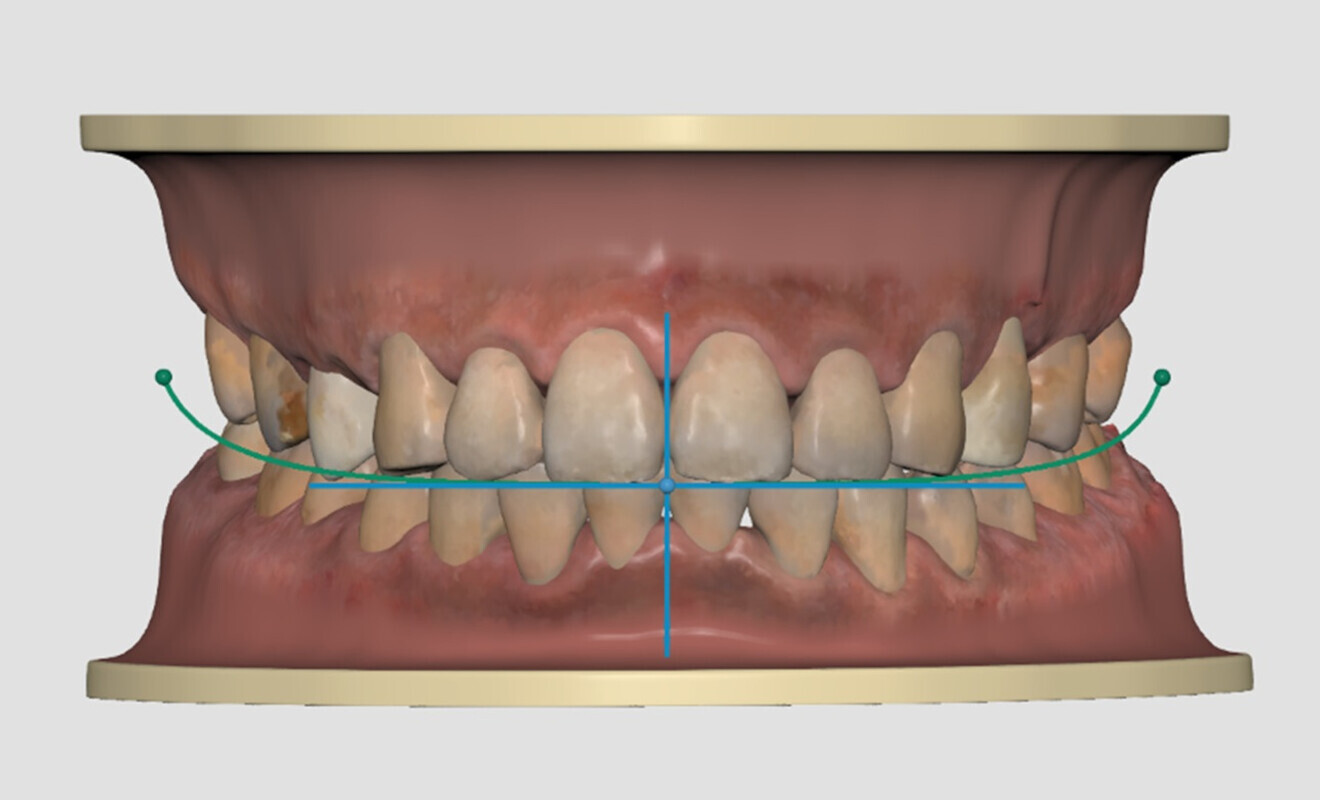
Fig. 2
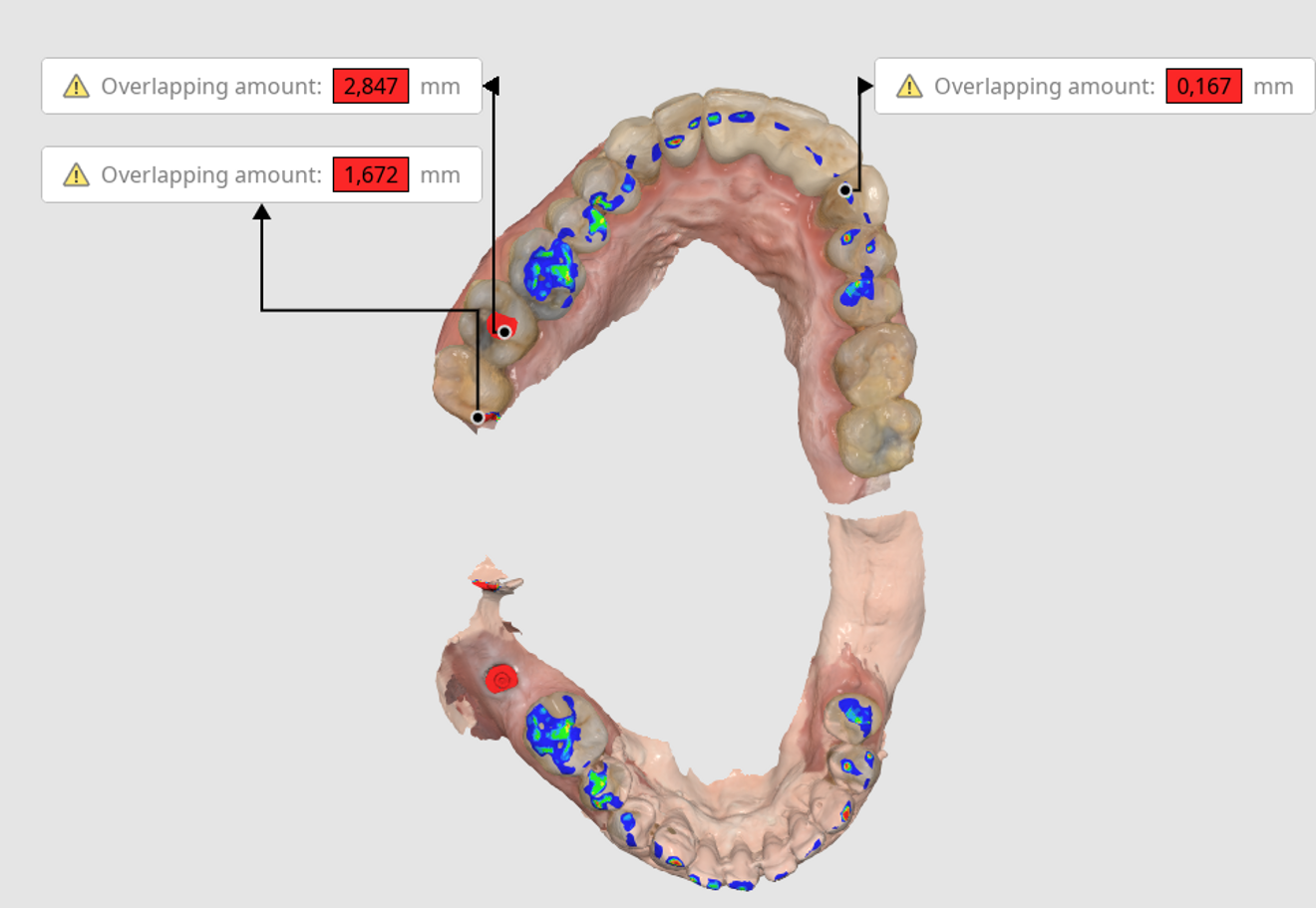
Fig,. 3
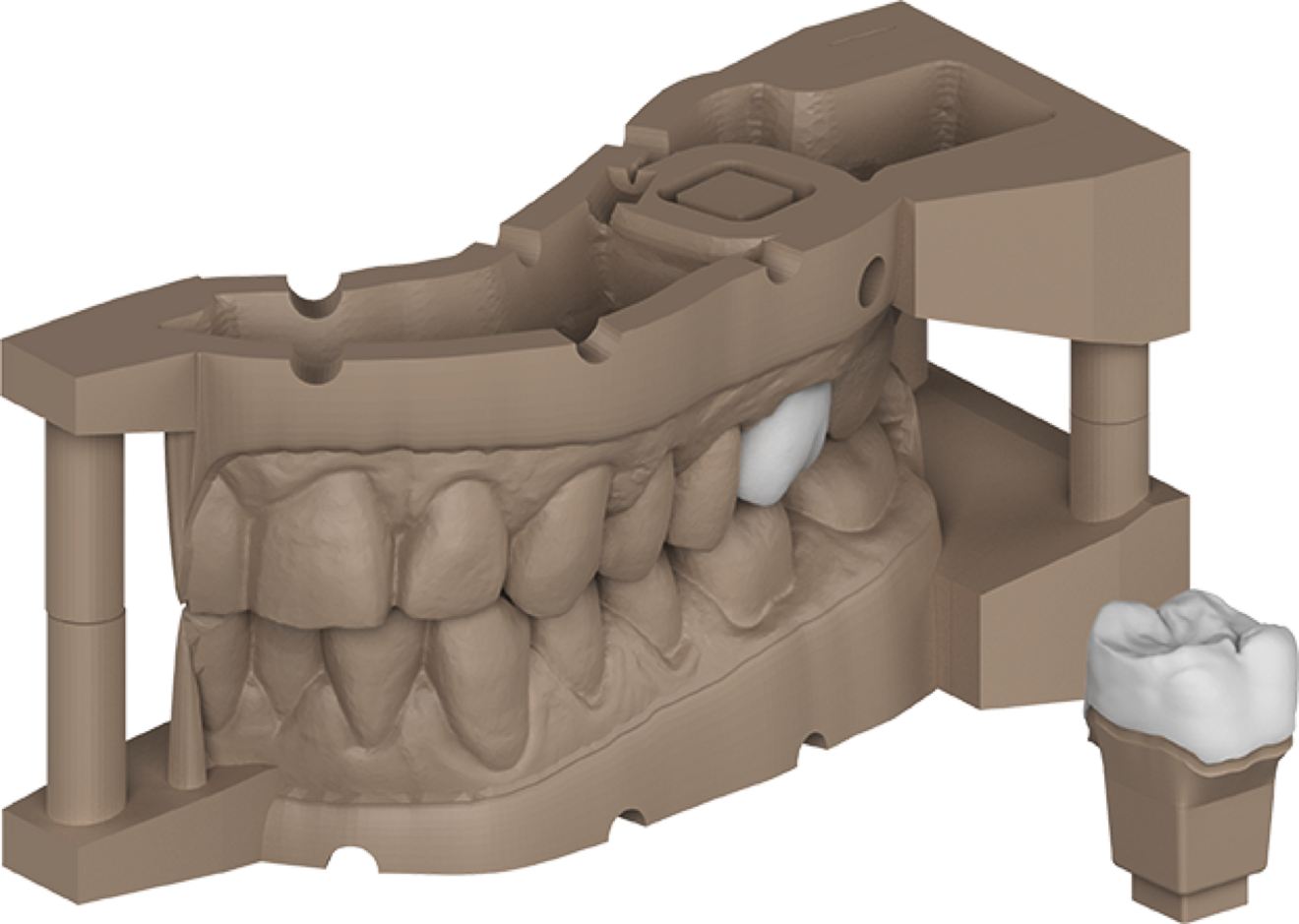
Fig. 4
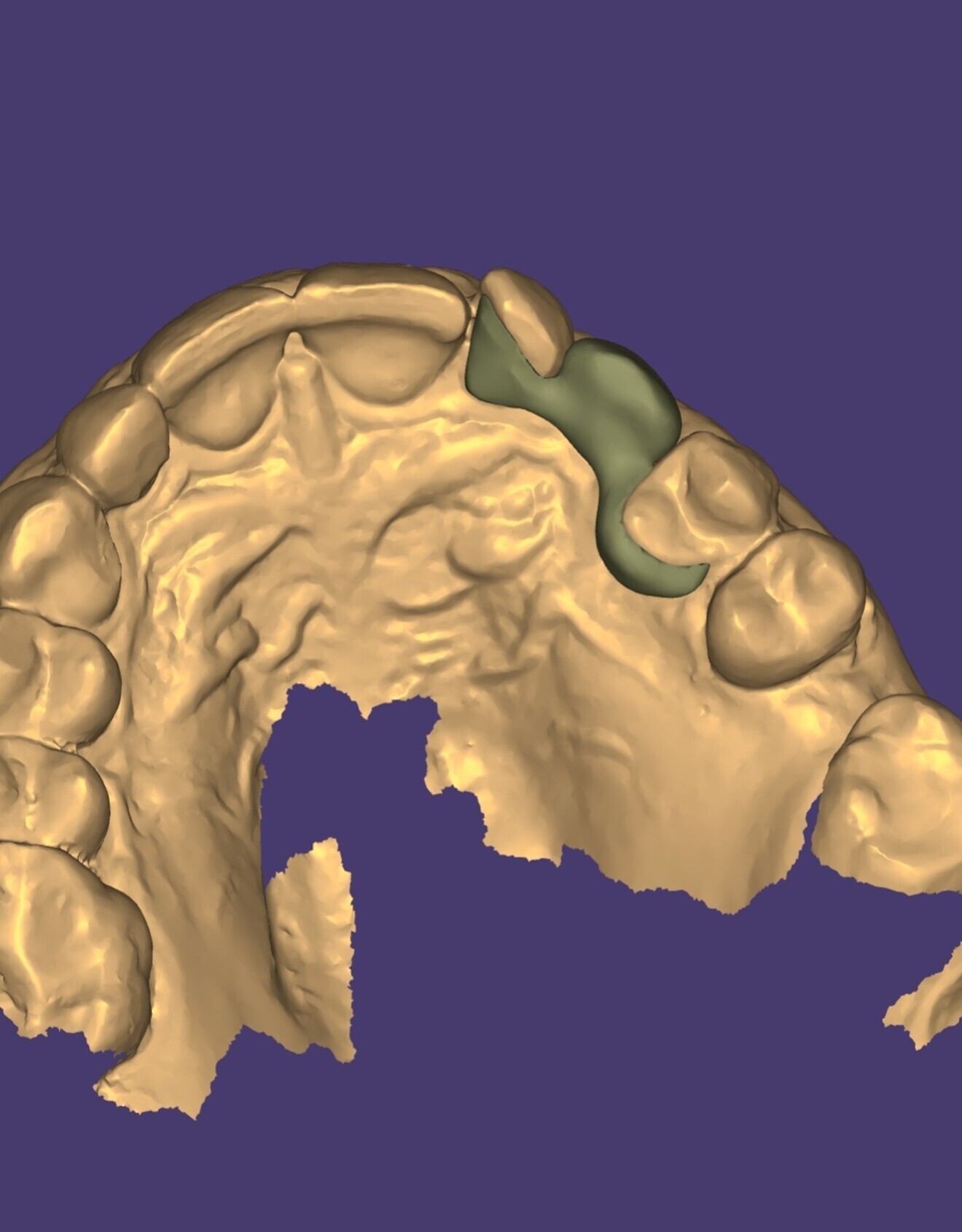
Fig. 5
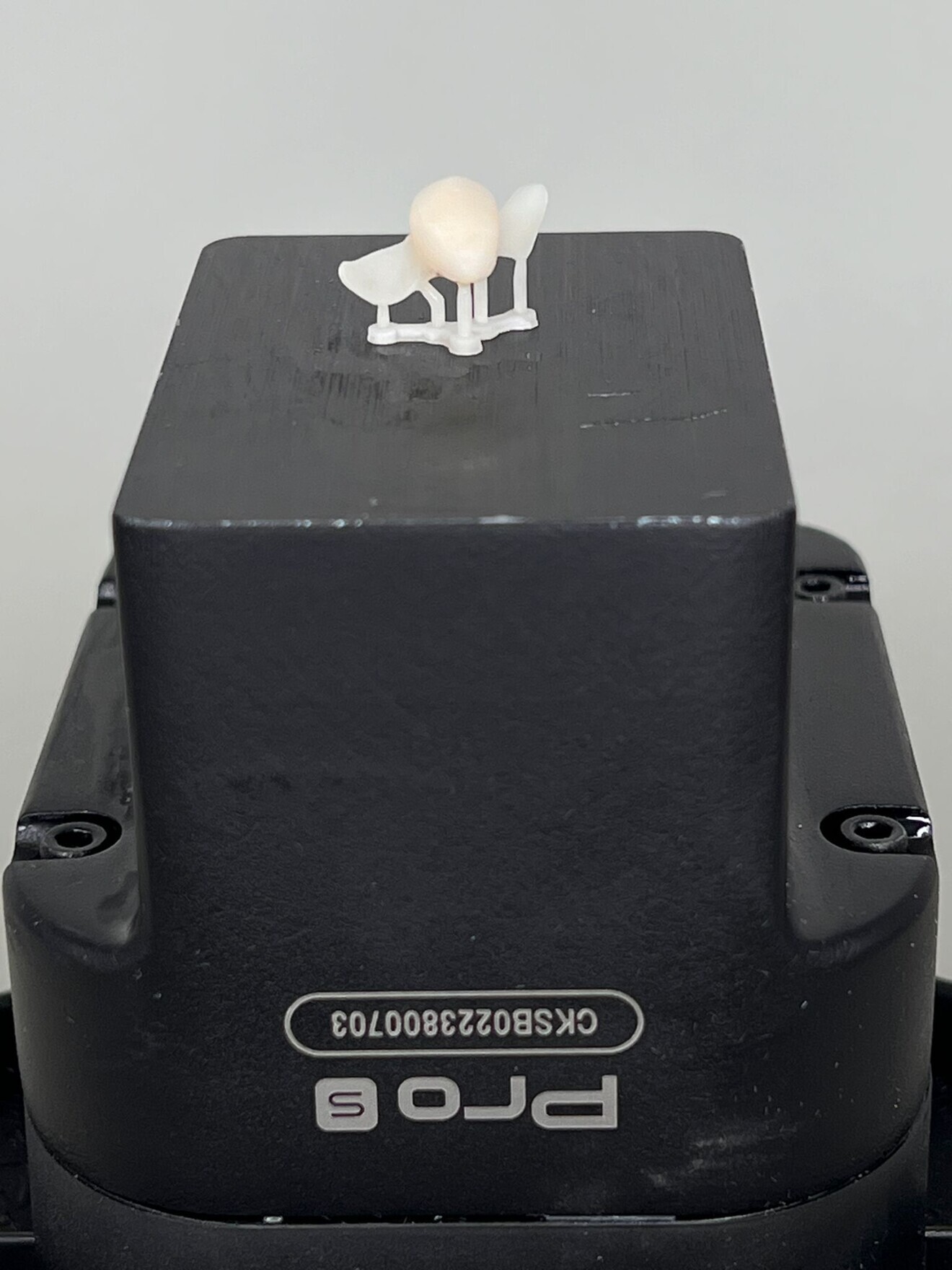
Fig. 6