


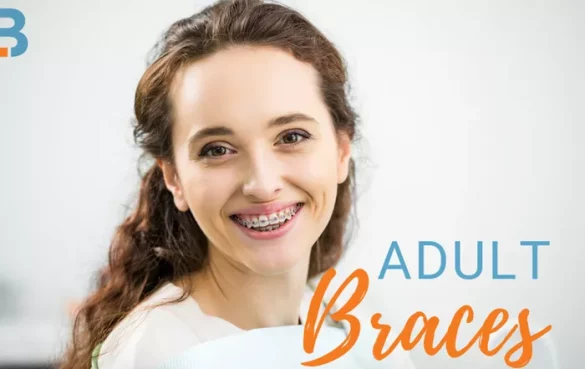
Braces are a common orthodontic treatment designed to correct misaligned teeth, bite issues, and jaw irregularities. Many people associate braces with adolescence, but adults increasingly seek orthodontic care. A common question is: at what age do braces stop working? This article explores the science behind braces, how age impacts their effectiveness, and options for adults considering orthodontic treatment.
Understanding How Braces Work
The Mechanics of Braces
Braces work by applying gentle, continuous pressure on teeth. This pressure causes teeth to move gradually through the jawbone. Bone tissue remodels in response to this pressure. This process, called bone remodeling, is essential for effective orthodontic treatment.
Components of Braces
Braces consist of brackets, wires, and sometimes elastic bands. Brackets attach to the teeth, while wires guide their movement. Elastic bands may adjust the bite. Each component works together to move teeth into their correct positions over time.
Age and Orthodontic Treatment
Childhood and Adolescence
Braces are most commonly applied in children and teenagers, typically between ages 10 and 18. At this age, the jaw is still growing, and bones are more malleable. This makes tooth movement faster and more predictable. Treatment times are usually shorter in adolescents compared to adults.
Why Age Matters
Age affects orthodontic treatment because bone density and tooth stability change over time. Younger patients have softer, more adaptable bone, which allows for easier tooth movement. As we age, bone becomes denser, and periodontal ligaments stiffen, making adjustments slower.
Adults and Braces
Can Adults Get Braces?
Yes, adults can get braces at almost any age. There is no strict age limit for orthodontic treatment. Modern orthodontic techniques, including clear aligners and ceramic braces, are designed to suit adults. The main difference is that treatment may take longer than for adolescents.
Challenges in Adult Treatment
Adults face unique challenges with braces. Dense jawbones and fully developed facial structures can slow tooth movement.
Adults may also have pre-existing dental conditions, such as gum disease or worn teeth, which require additional care. Nevertheless, with proper planning, adults can achieve excellent results.
Factors Influencing Braces Effectiveness
Bone Health
Healthy bone is critical for braces to work. Osteoporosis or other bone conditions can impact the ability of teeth to move. Orthodontists may need to assess bone density before treatment in older adults.
Gum and Periodontal Health
Healthy gums are essential. Gum disease can slow or even prevent tooth movement. Adults are more likely to have gum recession or periodontitis, so periodontal treatment may be needed before or during braces.
Tooth Wear and Previous Dental Work
Fillings, crowns, and root canal treatments can influence braces. In some cases, additional dental work is needed to ensure brackets can be properly attached and teeth can move safely.
Patient Compliance
Braces require consistent care. Adults and children alike must maintain oral hygiene and attend regular appointments. Non-compliance can reduce the effectiveness of braces and extend treatment time.
When Braces Might Be Less Effective
Advanced Age
While there is no absolute age limit, braces may be less efficient in very elderly patients. Tooth movement slows as bones become less responsive. The risk of gum and bone issues also increases with age, potentially limiting treatment options.
Severe Dental Conditions
Patients with advanced periodontal disease, missing teeth, or severe jaw problems may experience limitations. In such cases, orthodontic treatment may require pre-treatment interventions or alternative approaches.
Alternative Orthodontic Options for Adults
Clear Aligners
Clear aligners, such as Invisalign, provide a discreet alternative to traditional braces. They are removable, making oral hygiene easier, and are suitable for many adults. Aligners work well for mild to moderate tooth movement.
Lingual Braces
Lingual braces attach to the back of the teeth, making them invisible from the front. They are an effective option for adults concerned about aesthetics. However, they may be more uncomfortable initially and require careful cleaning.
Orthognathic Surgery
For severe jaw asymmetry or bite issues in adults, surgery combined with braces may be necessary. Orthognathic surgery repositions the jaw, after which braces fine-tune the teeth alignment.
Maintaining Results After Braces
Retention
Retention is critical at any age. Retainers help maintain teeth in their new positions. Adults may need to wear retainers for longer periods, sometimes indefinitely, to prevent relapse.
Oral Hygiene and Regular Checkups
Good oral hygiene supports long-term success. Regular dental checkups help detect issues early, ensuring that teeth remain healthy and aligned.
Conclusion
Braces do not have a strict age limit. They work best in children and adolescents due to flexible bone structure, but adults can achieve excellent results with proper care. Age may slow treatment and require additional precautions, but with modern orthodontic techniques, almost anyone can improve their smile. Factors such as bone health, gum condition, and patient compliance are critical. Retainers and regular dental care ensure long-lasting results, making braces a viable option throughout life.