
What Is Fluoride Treatment and How Does It Protect Teeth?
On this page~7 min read
Key Takeaway
- Fluoride treatment is a professional preventive dental service that applies concentrated fluoride to tooth surfaces to strengthen enamel and reduce cavity risk.
- It is useful for children, adults with cavity-prone areas, orthodontic patients, people with exposed roots, dry mouth, or higher caries risk.
- Professional fluoride does not replace brushing, flossing, diet control, or regular dental exams; it works best as part of a complete oral care routine.
Why Fluoride Treatment Matters for Cavity Prevention
Tooth decay is one of the most common oral health problems. It can begin quietly as plaque bacteria use sugars from food and drinks to produce acids. Over time, these acids remove minerals from enamel. Early changes may appear as white spots, brown marks, black points, or small pits. If decay continues, a cavity can form, sensitivity may develop when eating cold or hot foods, and deeper infection can eventually affect the dental pulp.
Many patients still think fluoride treatment is only for children. In reality, fluoride is a preventive tool that can be helpful at different ages when a person has a higher risk of cavities. For Huangshan Dental patients, the purpose is simple: protect natural teeth, reduce the chance of new decay, and support early enamel repair when the tooth has not yet developed a deep cavity.
The American Dental Association notes that professionally applied topical fluoride may be recommended for people at elevated risk of dental caries. The U.S. Centers for Disease Control and Prevention also describes fluoride as a major tool for preventing and controlling tooth decay when used appropriately. These recommendations support the same practical idea: fluoride works best when the dentist first evaluates the patient’s cavity risk, oral hygiene, diet, age, and medical factors.
What Is Fluoride Treatment?
Fluoride treatment means applying a fluoride-containing material directly to the teeth. The material may be a varnish, gel, foam, or rinse depending on the patient and the dentist’s recommendation. In many clinics, fluoride varnish is commonly used because it can be painted onto the tooth surface quickly and sets in place without a long procedure.
Fluoride is a naturally occurring mineral. In dentistry, it is valued because it helps the tooth surface stay stronger during the daily cycle of mineral loss and mineral repair. After eating or drinking, plaque acids can weaken enamel. Saliva helps neutralize acids and bring minerals back. Fluoride supports this process by making the repaired enamel surface more resistant to future acid attack.
A helpful way to understand fluoride treatment is to think of it as an added layer of protection, not a permanent shield. It does not make teeth immune to cavities. It does, however, give enamel extra support during the months after treatment, especially in areas that are hard to clean well, such as deep grooves, spaces between teeth, around orthodontic brackets, or near exposed tooth roots.
Who May Benefit From Fluoride Treatment?
Children are often the first group people think of because baby teeth and newly erupted permanent teeth can be more vulnerable to decay. Children between ages 3 and 12 may benefit from fluoride protection when their brushing is still developing, their diet includes frequent snacks, or their molars have deep grooves. For children younger than 3, the decision should be made by a dentist based on cooperation, swallowing risk, and individual caries risk.
Adults can also benefit from fluoride treatment. A person may brush daily and still develop decay in difficult areas, such as wisdom teeth, between teeth, around fillings or crowns, and in deep chewing grooves. Adults who frequently drink sweet or acidic beverages, have tooth sensitivity, have exposed roots from gum recession, or have a history of repeated cavities may need more targeted prevention.
Some patients deserve special attention. Orthodontic patients may have higher plaque retention around brackets or aligner attachments. Patients with periodontal disease may have exposed root surfaces that are easier to decay than enamel. People with diabetes, dry mouth, or long-term medication use may also face higher oral health risk because saliva flow, immune response, or cleaning ability can be affected.
Fluoride Treatment Candidates at a Glance
| Patient group | Why fluoride treatment may help | Suggested discussion with dentist |
|---|---|---|
| Children with newly erupted teeth | New enamel may be more vulnerable to acid attack and deep grooves can trap plaque. | Ask whether fluoride varnish and sealants are suitable. |
| Adults with repeated cavities | Hard-to-clean areas, old restorations, diet, or dry mouth may raise cavity risk. | Ask how often professional fluoride should be repeated. |
| Orthodontic patients | Brackets, wires, and attachments can hold plaque near enamel. | Ask about fluoride before, during, and after braces or aligners. |
| Patients with gum recession | Exposed root surfaces decay more easily than enamel. | Ask about root-caries prevention and sensitivity control. |
| Dry mouth or medication-related risk | Lower saliva flow reduces natural acid buffering and mineral repair. | Ask whether fluoride, saliva support, and diet changes are needed. |
What Happens During Fluoride Treatment at the Dentist?
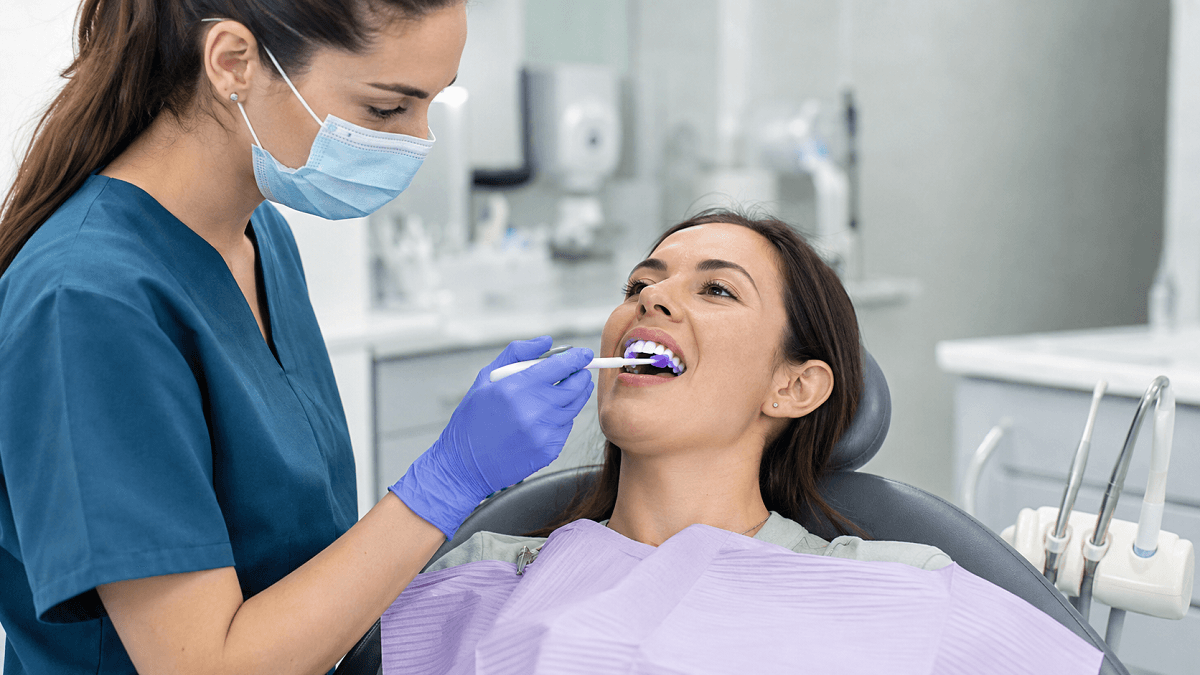
A professional fluoride visit is usually simple, fast, and painless. First, the dentist or hygienist checks the mouth and cleans the teeth so plaque, calculus, and food debris do not block contact between fluoride and the tooth surface. If tartar or heavy plaque is present, a cleaning may be recommended before fluoride is applied.
Next, the teeth are dried. This step matters because fluoride material adheres better to a clean, dry surface. The dentist then applies the fluoride with a small brush, cotton applicator, tray, or other clinical method. The material forms a thin coating on the teeth and begins working on the surface.
Most patients feel only a mild coating or taste in the mouth. There should be no drilling, injection, or pain. After treatment, the dental team explains what to avoid for a short period, such as eating hard foods, brushing immediately, or rinsing too aggressively, depending on the material used. Specific instructions may vary, so patients should follow the advice given by their dentist.
Common Misunderstandings About Fluoride Treatment
One common concern is whether professional fluoride causes dental fluorosis. Dental fluorosis is mainly related to too much fluoride intake while teeth are developing, especially in young children. Professional topical fluoride is applied to the tooth surface in a controlled clinical amount. When used correctly by a dental professional, it is considered a safe preventive method.
Another misunderstanding is that fluoride is useless once a child already has cavities. The answer depends on the stage. If a visible hole has formed or decay has reached the nerve, fluoride cannot replace a filling or root canal treatment. But if the tooth is still in an early demineralized stage, fluoride may help support remineralization and slow progression. It can also protect other teeth that have not yet developed cavities.
Some patients expect one fluoride treatment to protect teeth forever. That is not realistic. Fluoride protection gradually wears down through eating, brushing, and chewing. Children or high-risk patients may need professional fluoride every 3 to 6 months, while many adults may be reviewed every 6 to 12 months depending on risk. The right schedule should be personalized after a dental exam.
Daily Care Still Matters After Fluoride Treatment
Fluoride treatment works best when daily oral care is consistent. Patients should brush twice a day with fluoride toothpaste, clean between teeth with floss or interdental brushes, reduce frequent sugar intake, and avoid sipping acidic drinks throughout the day. These habits reduce the acid attacks that cause enamel mineral loss.
Regular dental checkups are also important. A dentist can identify early white spots, tiny cavities, gum recession, dry mouth, bite problems, and cleaning blind spots before they become bigger issues. At Huangshan Dental, preventive care is not treated as a single procedure. It is part of a long-term oral health plan designed around each patient’s age, diet, hygiene habits, and treatment history.
FAQ
Is fluoride treatment only for children?
No. Children are common candidates, but adults may also benefit if they have repeated cavities, exposed roots, dry mouth, sensitivity, orthodontic appliances, or hard-to-clean areas.
Does fluoride treatment hurt?
No. Professional fluoride treatment is non-invasive. Most patients feel only a light coating or taste on the teeth, and the visit is usually quick.
Can fluoride treatment fix a cavity?
Fluoride may help early enamel demineralization before a hole forms. Once a cavity is deep or visible, a dentist may need to restore the tooth with a filling or other treatment.
How often should I get fluoride treatment?
Frequency depends on cavity risk. High-risk children and adults may need it every 3 to 6 months; lower-risk adults may need it less often after dental evaluation.
Conclusion
Fluoride treatment is a simple, preventive way to help protect teeth from cavities, especially for children, orthodontic patients, adults with repeated decay, and people with dry mouth or exposed roots. It cannot replace daily brushing, flossing, diet control, or restorative care when a cavity is already deep. At Huangshan Dental, fluoride treatment can be considered as part of a complete prevention plan after a dental examination and caries-risk evaluation.
Disclaimer
This Huangshan Dental article is for informational purposes only and does not constitute medical advice, diagnosis, or a guaranteed treatment result. Always consult a qualified dentist for a personalized evaluation and follow your dental team’s specific instructions before and after treatment.