


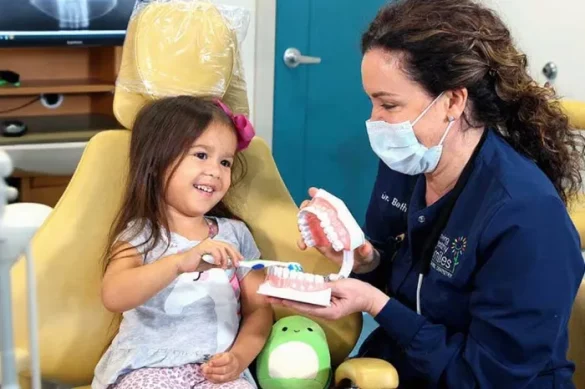
A child’s dental health is essential for their overall well-being, and many parents wonder when is the right time for their little one’s first dental visit. Can a 2.5 year old go to the dentist? The answer is simple: Yes, and it is highly encouraged by dental professionals. Bringing your 2.5-year-old to the dentist sets the foundation for healthy teeth, positive dental habits, and comfort with oral care.
Why Should Toddlers See the Dentist Early?
Early dental visits are more than just precautionary—they are vital steps in protecting and nurturing your child’s oral health. Experts, including the American Academy of Pediatric Dentistry, recommend that children visit the dentist by their first birthday or within six months after their first tooth appears. For most toddlers, this means their first visit will occur well before they reach 2.5 years. However, if your child has not been to the dentist yet, age 2.5 is still a perfect time to begin.
Dental problems can start early in life. Cavities and tooth decay can affect children as young as 6 months. Early visits help dentists track dental development, spot problems, and give parents valuable tips on cleaning teeth, teething, and feeding habits. They also provide an opportunity for children to become familiar with the dental environment and build confidence for future visits.
What Happens During a Dental Visit at 2.5 Years Old?
The first dental appointment for a 2.5-year-old is designed to be friendly and non-threatening. The main goal is to make the child comfortable and to introduce them to dental care in a positive way. The dentist will:
- Examine your child’s teeth, gums, and jaw to check for any signs of decay or developmental issues.
- Assess growth, bite, and oral tissue health.
- Clean the child’s teeth gently, removing any plaque or minor stains.
- Guide parents on proper brushing and flossing techniques.
- Discuss issues like thumb sucking or pacifier use, which can affect dental health.
- Advise on nutrition, feeding, and prevention of baby bottle tooth decay.
- Answer any questions or concerns parents may have about their child’s oral health.
X-rays are not usually required at this age unless there is a sign of a problem. If needed, X-rays help check for hidden decay or issues with the roots and development of both baby and adult teeth.
The Importance of Baby Teeth
It’s a common belief that baby teeth do not matter because they eventually fall out, but this is a misconception. Baby teeth help with chewing, speaking, and smiling. They also hold space for permanent adult teeth. If baby teeth are lost too soon due to tooth decay, adult teeth may emerge crooked or crowded.
By taking your child to the dentist at 2.5 years old, you are protecting their baby teeth, setting the stage for healthier adult teeth, and helping them develop good habits for life.
How to Prepare for Your Toddler’s Dental Visit
Preparing for a dental visit with a 2.5-year-old can make the experience smoother for both parent and child. Here are some practical tips:
- Schedule the appointment when your child is alert, well-rested, and happy—mornings work best for most children.
- Explain to your child in a simple way what will happen. Tell them about the dental chair, the gentle cleaning, and the friendly dentist.
- Stay calm, positive, and encouraging. Children pick up on their parents’ feelings, and if you’re anxious, they may become nervous too.
- Bring any medical records and a list of your questions for the dentist.
If your child is fearful or anxious, show excitement about the visit and use positive words like “clean,” “strong,” and “healthy.”
Pediatric Dentist or Family Dentist: Where Should You Go?
Both pediatric dentists and family dentists care for young children, but pediatric dentists receive extra specialty training focused on children’s dental health and behavior. They often have offices decorated to make children feel at ease, smaller equipment, and a special approach to help nervous toddlers feel comfortable.
A family dentist can also treat toddlers and will be familiar with many childhood dental issues. The choice depends on your child’s needs, temperament, and your comfort with the dental professional.
Common Concerns for 2.5-Year-Olds
Parents are naturally concerned about how their toddler will adapt to a dental visit. Some children may be shy or stubborn; others may be more open and curious. Dentists are trained to handle a variety of personalities and use gentle explanations to help children adapt. Most 2.5-year-olds can cope with a brief exam, especially if a parent stays nearby. If your child is fearful, ask the dentist ahead of time about strategies they use to ease worry and make the visit playful.
Separation from a parent for a short period during exams may be possible for securely attached children at 2.5 years old, but it is perfectly fine if your child wants you by their side.
Dental Hygiene for Toddlers Between Visits
Dental care does not stop at the dentist’s office. Parents should:
- Clean their child’s teeth twice daily with a small, soft-bristled toothbrush and a tiny amount of fluoride toothpaste (the size of a grain of rice).
- Never put children to bed with bottles filled with juice, soda, or sweet drinks; this helps prevent tooth decay.
- Avoid sticky or hard candies, and limit sweet drinks and snacks.
- Encourage use of a cup by 12 months to reduce bottle dependence.
- Help children brush and floss until around age 7 or 8, when they are skilled enough to do it alone.
Good home care routines support what is started in the dental office, and visiting every six months helps maintain progress.
Monitoring for Problems
Parents should look out for signs that a dental visit is needed before the routine schedule:
- Bleeding or swelling in gums.
- Sensitivity or pain during eating and drinking.
- Visible dark spots or decay.
- Questions about thumb sucking, feeding, or other habits.
If any issues are noticed, schedule a dental appointment as soon as possible.
Conclusion
Taking your 2.5-year-old to the dentist is both safe and important. Early dental visits help prevent cavities, guide parents on proper oral care, and support healthy development. Whether your child sees a pediatric or family dentist, the goal is to make dental care a comfortable routine that promotes lifelong health. Start dental visits early, and maintain good home care habits to set your child up for a bright, healthy smile.
FAQs
Can a 2.5-year-old go to the dentist even if they have no major dental issues?
Yes, regular visits are recommended to monitor development, teach good habits, and prevent problems before they begin.
What if my 2.5-year-old is afraid of the dentist?
Dentists use special techniques to comfort young children. Parents should remain calm and use positive language to reassure their child.
Is fluoride toothpaste safe for a 2.5-year-old?
A tiny amount—a smear the size of a grain of rice—is safe and recommended for effective cleaning and prevention.
How often should my toddler see the dentist?
Every six months is standard, but your dentist may recommend more frequent visits for high-risk children.
Do baby teeth really matter?
Absolutely. Healthy baby teeth are important for development, speech, eating, and guiding adult teeth into the correct positions.