


A loose dental bridge can create stress. A loose dental bridge can cause chewing problems. A loose dental bridge can make a patient worry about tooth failure. Many people ask if a loose dental bridge can be recemented. The answer is yes in many cases, but not in every case. The possibility depends on the condition of the bridge. The possibility depends on the condition of the abutment teeth. The possibility depends on the amount of decay. The possibility depends on the type of cement previously used. It also depends on the structural integrity of the bridge.
What Is a Dental Bridge?
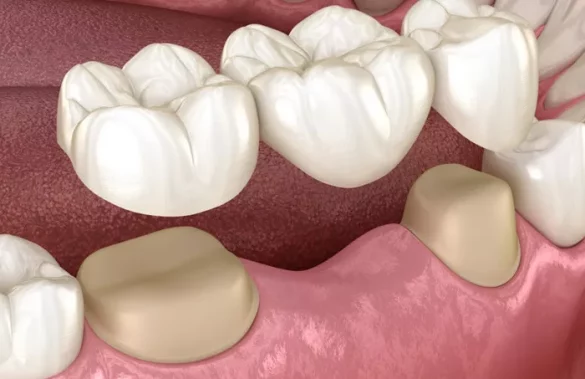
A dental bridge is a fixed prosthetic device. It restores missing teeth. It connects an artificial tooth or teeth to natural abutment teeth. It fills a gap. It improves function. It improves chewing. It improves speech. It maintains facial stability. It prevents drifting of nearby teeth. A dental bridge stays cemented in place. A dental bridge should not move when healthy. A dental bridge should not detach when healthy.
There are several types of bridges. A traditional bridge uses crowns on both sides. A cantilever bridge uses one supporting tooth. A Maryland bridge uses a metal or ceramic wing bonded behind teeth. Each type uses different forms of retention.
Each type responds differently when loose. Some types can be recemented easily. Some types cannot be recemented successfully.
Why Does a Dental Bridge Become Loose?
Decay Under the Bridge
Decay is a common cause. Bacteria can enter between the crown and tooth. Decay weakens the abutment tooth. Decay dissolves tooth structure. Decay breaks cement. Decay allows movement. If decay is minor, the bridge may be recemented. If decay is severe, recementation may fail. The dentist must assess the tooth. The dentist may need to treat decay. The dentist may need to build up tooth structure. The dentist may need to replace the bridge.
Failure of the Dental Cement
Cement can fail. Cement can lose adhesion over time. Cement can wash out due to saliva. Cement can weaken due to chewing pressure. Cement can break down due to acidic foods. Cement can fail if the initial placement was improper. When cement fails but the bridge and teeth remain healthy, recementation is often possible. The dentist cleans old cement. The dentist reconditions surfaces. The dentist applies new cement. The bridge becomes stable again.
Wear and Tear Over Time
Bridges endure stress. Chewing stresses occur daily. Grinding stresses occur at night. Clenching stresses can be strong.
These forces weaken the link between bridge and teeth. Long-term wear can cause micro-movements. These movements can loosen cement. These movements can change fit. Moderate wear may allow recementation. Severe wear may require a new bridge.
Damage to the Bridge Structure
A bridge may crack. A bridge may fracture. A bridge may bend. A bridge may distort. Damage prevents proper seating.
Damage prevents proper fit. Damage prevents secure recementation. If damage is minor, polishing or adjustments may help. If damage is major, replacement is required.
Change in Abutment Tooth Shape or Structure
A tooth can change. A tooth can fracture. A tooth can wear down. A tooth can undergo root canal treatment. A tooth can lose support. These changes alter retention. These changes prevent recementation in some cases. Dentists must evaluate the stability of abutment teeth before recementing.
Can a Loose Dental Bridge Be Recemented?
Many loose dental bridges can be recemented. Many loose bridges remain structurally stable. Many loose bridges have healthy supporting teeth. Many loose bridges show minor cement-related loosening. In these cases, recementation is simple and successful. The dentist checks the fit. The dentist cleans the surfaces. The dentist applies strong cement. The dentist ensures the bridge sits properly. The bridge regains stability.
However, some bridges cannot be recemented. Some bridges have serious decay. Some bridges have broken abutments.
Some bridges have poor fit. Some bridges no longer match the tooth structure. Some bridges have internal cracks. In these cases, recementation is not safe. In these cases, recementation may fail quickly. In these cases, replacement is better.
How Dentists Evaluate a Loose Dental Bridge Before Recementation
Examining the Underlying Abutment Teeth
The dentist removes the loose bridge gently. The dentist inspects teeth visually. The dentist checks for decay. The dentist checks for cracks. The dentist checks for fracture lines. The dentist checks for old build-up material. The dentist checks for exposed dentin. The dentist completes a thorough assessment before deciding on treatment.
Testing the Fit of the Bridge
The dentist places the bridge on the teeth without cement. The dentist checks stability. The dentist checks contact points.
The dentist checks margin integrity. The dentist checks whether the bridge rocks. A stable fit means recementation is possible. A poor fit means recementation will fail.
Taking X-Rays
Radiographs show hidden decay. Radiographs show bone level. Radiographs show root condition. Radiographs show internal fractures. Radiographs help dentists make correct decisions. Radiographs confirm if recementation is safe.
Evaluating Gum Health Around the Bridge
Healthy gums help retention. Healthy gums help stability. Inflamed gums show bacterial problems. Inflamed gums can cause cement breakdown. Inflamed gums can affect bridge longevity. The dentist treats gum inflammation before recementation if needed.
Steps Involved in Recementing a Loose Dental Bridge
Initial Bridge Removal
If the bridge is still attached slightly, the dentist removes it safely. The dentist uses gentle instruments. The dentist avoids damaging teeth. Removal allows inspection. Removal allows cleaning.
Cleaning the Bridge and Teeth
Old cement must be removed. Debris must be removed. The tooth surface must be smooth. The bridge interior must be clean. Cleaning improves adhesion. Cleaning improves longevity.
Drying and Preparing Surfaces
Preparation ensures strong bonding. The dentist dries the teeth. The dentist conditions surfaces. The dentist applies bonding agents if indicated. These steps ensure secure recementation.
Applying New Dental Cement
New cement is placed inside the bridge. The cement type depends on the bridge material. The cement type depends on the dentist’s choice. The cement type affects strength. The dentist selects material based on clinical goals.
Seating the Bridge
The dentist pushes the bridge gently. The dentist ensures perfect alignment. The dentist ensures full seating. The dentist verifies the fit with pressure. The dentist uses instruments to remove excess cement.
Final Adjustments and Bite Check
The dentist checks the bite. The dentist asks the patient to close gently. The dentist ensures no high spots. The dentist ensures even contact. The dentist adjusts if necessary. Proper occlusion prevents future loosening.
When Recementing Is Not an Option
Severe Decay Under the Bridge
If decay destroys the tooth, the bridge cannot be recemented. The dentist must remove decay. The dentist may require a crown build-up. A new bridge may be necessary.
Damaged or Broken Abutment Teeth
A cracked root cannot support a bridge. A broken tooth loses structure. A fractured crown loses retention. These cases require alternative solutions.
Damaged Bridge Structure
A broken bridge cannot be reused. A distorted bridge cannot fit. A cracked pontic weakens function. These problems require replacement.
Poor Bridge Fit After Tooth Changes
A tooth may change shape over time. A bridge made years ago may not fit today. Recementation may fail. A new bridge may be a better option.
Alternative Treatments When a Bridge Cannot Be Recemented
Creating a New Dental Bridge
A new bridge may be required. Modern bridges have better materials. Modern bridges have stronger retention. Modern bridges have better aesthetics. Replacement ensures long-term stability.
Dental Implants
Implants replace missing teeth without relying on abutment teeth. Implants prevent decay under a bridge. Implants offer long-term stability. Implants are strong. Implants are independent. Implants reduce stress on natural teeth.
Partial Dentures
Removable partial dentures may be used. They offer lower cost. They offer flexibility. They are less invasive. They serve as temporary or long-term solutions.
Composite Build-Up and Crown Replacement
If an abutment tooth is damaged, rebuilding may help. The tooth can be rebuilt with composite. A new crown can fit better. A new bridge can attach securely.
Risks of Not Reseating or Replacing a Loose Bridge
Bacterial Accumulation
A loose bridge traps bacteria. Bacteria cause decay. Bacteria cause gum disease. Bacteria cause infection.
Tooth Mobility
A loose bridge stresses teeth. Excess movement damages supporting teeth. Prolonged stress causes tooth loosening.
Breakage of the Bridge
A bridge may crack when unstable. A bridge may break under pressure. Recementing early prevents damage.
Difficulty Eating or Speaking
A loose bridge affects chewing. A loose bridge affects pronunciation. Timely repair restores function.
How to Prevent a Dental Bridge From Becoming Loose Again
Proper Oral Hygiene
Brush daily. Floss carefully. Clean beneath the bridge using floss threaders. Use interdental brushes. Keep gums healthy. Prevent decay.
Avoid Hard Foods
Hard foods stress bridges. Sticky foods can pull on bridges. Avoid chewing ice. Avoid biting hard candies.
Manage Clenching or Grinding
A night guard can protect the bridge. Stress management reduces grinding. Regular checks ensure continued protection.
Regular Dental Visits
Routine visits detect early loosening. Dentists can reinforce cement. Dentists can treat small decay before it worsens.
FAQs
Can I Recement a Dental Bridge at Home?
No. Do not attempt home recementation. Temporary glues fail quickly. Home adhesives damage teeth. Only dentists should recement bridges.
How Long Does Recementation Last?
It can last years if teeth are healthy. It may be temporary if decay exists. Longevity depends on oral care and bite forces.
Is Recementation Painful?
Most patients feel no pain. Some feel slight pressure. If decay exists, further treatment may cause mild discomfort.
How Long Does the Procedure Take?
The process usually takes 20 to 40 minutes. Complex cases may require longer. Bridge adjustments may add time.
Conclusion
A loose dental bridge can often be recemented. Many bridges loosen due to simple cement failure. Many bridges loosen due to minor wear. Many bridges remain structurally sound. These bridges can be recemented successfully. The dentist evaluates the teeth. The dentist checks the bridge condition. The dentist ensures proper fit. If all conditions are favorable, recementation restores stability.