


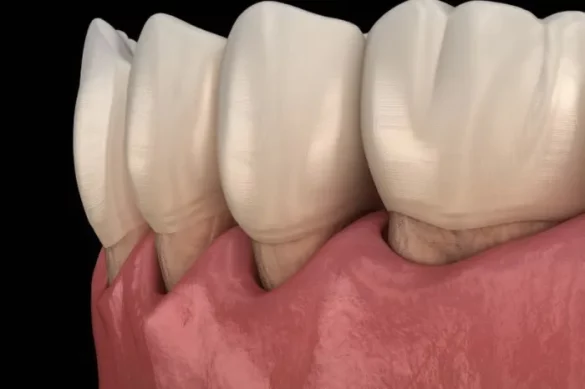
Many people notice issues with their gums, such as recession or swelling, and wonder if it is possible for damaged gums to grow back. Gum health plays a vital role in maintaining a healthy smile and overall oral well-being. When gums recede or become damaged, it can lead to several dental complications, raising concerns about permanent changes and treatment options.
What Causes Gum Damage and Recession?
Gum recession happens when the margin of the gum tissue that surrounds the teeth wears away or pulls back, exposing more of the tooth or even the tooth’s root. This condition leaves the teeth and root surfaces more vulnerable to damage, infection, and sensitivity. Common causes of gum damage and recession include:
Gum Disease
Gum disease is the most frequent reason for gum damage. In its earliest stage—gingivitis—gums may appear red, swollen, and bleed easily. If left untreated, gingivitis can progress to periodontitis, which can destroy gum tissue and the bone supporting the teeth.
Mechanical Trauma
Overbrushing or brushing with a hard-bristled toothbrush can injure gums. Flossing too aggressively and certain dental tools or routines can also cause trauma that leads to receding gums over time.
Teeth Grinding (Bruxism)
People who grind or clench their teeth, especially during sleep, place significant pressure on their gums and supporting structures. This continuous force can contribute to gum recession and other oral health issues.
Misaligned Bite or Teeth
Crooked teeth or an abnormal bite create uneven pressure in the mouth. Some areas of the gum may experience excessive force, leading to recession.
Tobacco Use
Smoking or using other tobacco products is another major contributor to gum disease and damage. Tobacco reduces blood flow to the gums, impairing their ability to heal and stay healthy.
Aging and Hormonal Changes
Natural aging and hormonal shifts can also make gum tissues more susceptible to breakdown and recession.
Can Damaged Gums Grow Back Naturally?
This is one of the most common questions regarding periodontal health. Unfortunately, once gum tissue has receded due to periodontitis or other irreversible causes, it does not grow back on its own. The soft tissues that surround and support the teeth are not capable of regenerating to their original form after being lost.
In the early stages of gum disease, sometimes called gingivitis, the effects on the gums are reversible. With proper oral hygiene and professional dental care, inflamed gums can return to health, including reduced redness, swelling, and bleeding. However, if gum loss has already occurred, reversing the damage is not possible without intervention.
Dental Treatments for Damaged Gums
While damaged gums cannot regrow themselves, dental specialists such as periodontists offer several treatment options to restore gum health and appearance:
Gum Grafting
Gum graft surgery is the most common solution for receding gums. During this procedure, a small amount of tissue is usually taken from the roof of the mouth (palate) or another gum area and attached to the receded site. This graft covers exposed roots, improves the gumline, and helps protect the underlying bone and tissue.
Bone Grafting
If significant bone loss has also occurred, bone grafts may be placed to help rebuild the area supporting the teeth.
Osseous Surgery
For advanced cases, osseous surgery may be recommended. This surgery removes bacteria and damaged tissue from deep pockets around the teeth and recontours the bone for a healthier environment.
Ongoing Maintenance
After any corrective procedure, ongoing periodontal maintenance is necessary to prevent further recession and keep the gums healthy. This includes regular professional cleanings and following a strict oral hygiene routine at home.
Preventing Further Gum Damage
Even though receded gums do not grow back on their own, you can take steps to keep your gums healthy and reduce the risk of more damage:
Proper Brushing and Flossing Techniques
Use a soft-bristled toothbrush and gentle circular motions. Brush twice daily for two minutes each session. When flossing, gently slide the floss along the gumline without snapping it.
Professional Dental Visits
See your dentist at least twice a year for cleanings and checkups. Early detection of gum problems makes treatment easier and more effective.
Nightguards for Bruxism
If you grind your teeth at night, a custom nightguard can protect teeth and gums from further trauma.
Lifestyle Changes
Quit using tobacco products to improve gum healing and overall oral health. Try to avoid using teeth as tools for opening packages, which could injure the gum tissue.
Use Antimicrobial Mouthwash
Rinse with a dentist-recommended mouthwash that fights bacteria and helps protect against gum disease.
Address Misaligned Teeth
Treating alignment problems with braces or clear aligners can reduce uneven pressure on the gums and support long-term gum health.
Looking Ahead: Advances in Gum Regeneration
Dental researchers continue to explore new technologies and regenerative therapies for gum tissue. While most regrowth methods are still experimental, some advancements, such as certain proteins and growth factors, show promise in helping regenerate limited amounts of gum tissue alongside traditional treatments. However, gum grafts remain the gold standard for significant recession today.
Conclusion
Damaged gums, especially those lost due to periodontal disease or trauma, do not regrow naturally. Early intervention through proper oral hygiene can reverse some inflammation, but when recession has occurred, treatments like gum graft surgery are needed to repair the damage. Preventing further injury with gentle care, regular dental visits, and healthy habits is key to preserving your gums for the long term. If you notice signs of recession or other gum problems, consult a dental professional promptly to discuss your best options for treatment and maintenance.
FAQs
Can gums recover from gingivitis?
Yes. In the early stage, gingivitis is reversible with proper hygiene and professional care.
Is gum graft surgery painful?
Most patients report mild discomfort after the procedure, managed well with medication. Healing is quick in most cases.
Can any toothpaste help gums grow back?
No toothpaste can make gums regrow, but products for gum health support healing and reduce further recession.
How often should I get my gums checked?
At least every 6 months, or more frequently if you have a history of periodontal disease.
What are signs I should see a periodontist?
Receding gums, persistent swelling, bleeding, or sensitivity are all strong reasons to see a gum specialist.