


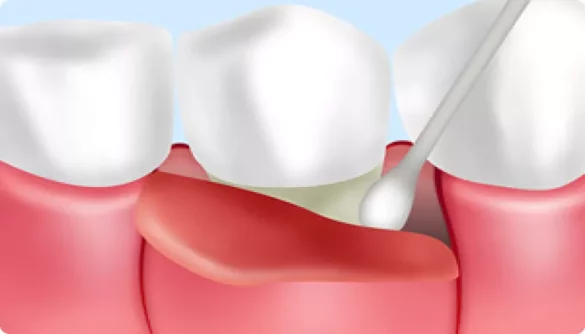
Deep gum pockets, also known as periodontal pockets, form when the gums pull away from the teeth. This creates spaces that can trap food and bacteria. If left untreated, these pockets can worsen and lead to gum disease and tooth loss. They are commonly associated with periodontitis, a severe form of gum disease.
What Causes Deep Gum Pockets?
Several factors can lead to the formation of deep gum pockets. These include:
- Poor oral hygiene, leading to plaque and tartar buildup.
- Gum disease progression, from gingivitis to periodontitis.
- Genetic predisposition to gum disease.
- Smoking and tobacco use, which weaken gum tissue.
- Chronic conditions such as diabetes that impair healing.
- Hormonal changes that affect gum health.
- Poor nutrition and deficiencies, especially vitamin C deficiency.
Signs and Symptoms of Deep Gum Pockets
Recognizing deep gum pockets early is crucial for treatment. Common symptoms include:
- Red, swollen, or bleeding gums.
- Persistent bad breath or bad taste in the mouth.
- Gum recession, making teeth appear longer.
- Loose or shifting teeth.
- Pain when chewing.
- Pus between the teeth and gums in severe cases.
Can Deep Gum Pockets Heal Naturally?
Healing deep gum pockets naturally is challenging. Minor gum inflammation may improve with proper oral hygiene.
However, once pockets are deep, bacteria and tartar make natural healing unlikely. Without intervention, the pockets can deepen, causing bone loss and gum damage.
Role of Oral Hygiene
Maintaining excellent oral hygiene is essential. Brushing twice daily, flossing, and using an antiseptic mouthwash can reduce bacterial buildup. While these practices can prevent further worsening, they rarely reverse deep pockets entirely. They are most effective for shallow pockets or early-stage gum disease.
Professional Treatments for Deep Gum Pockets
Deep gum pockets often require professional dental treatment. The main options include:
Scaling and Root Planing
Scaling removes plaque and tartar from below the gumline. Root planing smooths the tooth root, helping gums reattach to the tooth. This non-surgical treatment is effective for moderate pockets and can reduce inflammation, allowing some natural healing.
Antibiotic Therapy
Topical or systemic antibiotics may be prescribed to eliminate bacteria. Antibiotic gels, rinses, or oral medications can reduce infection and support pocket healing. They are usually combined with scaling and root planing for best results.
Gum Surgery
For severe pockets, surgical intervention may be necessary:
Flap Surgery: The gums are lifted, tartar is removed, and the tissue is sutured back. This reduces pocket depth.
Bone Grafts: Used when bone loss has occurred. The graft helps regenerate lost bone and support gum tissue.
Guided Tissue Regeneration: A membrane is placed to direct gum tissue and bone regrowth, aiding in pocket healing.
Laser Therapy
Lasers can remove diseased tissue and bacteria. Laser therapy is less invasive, promotes faster healing, and may help reduce pocket depth in certain cases. It is often combined with conventional treatments.
Factors Affecting Healing of Gum Pockets
The success of pocket healing depends on several factors:
- Severity of the pocket and underlying bone loss.
- Patient’s oral hygiene habits.
- Overall health and immune function.
- Smoking or tobacco use.
- Consistency with professional dental care and follow-ups.
Preventing Deep Gum Pockets
Prevention is always better than treatment. Steps include:
- Brushing twice daily with fluoride toothpaste.
- Flossing or using interdental brushes daily.
- Regular dental check-ups and professional cleanings.
- Healthy diet rich in vitamins and minerals.
- Avoiding tobacco products.
- Managing chronic health conditions effectively.
Regular Dental Visits
Professional cleanings remove tartar that brushing cannot. Dentists can detect early signs of pocket formation and treat them before they worsen. Early intervention significantly increases the chance of healing.
Maintaining a Healthy Lifestyle
Good nutrition, regular exercise, and proper management of conditions like diabetes support gum healing. Adequate hydration and stress management also contribute to oral health.
Prognosis of Deep Gum Pockets
With early detection and consistent treatment, some deep gum pockets can improve. Shallow pockets can often return to near-normal depth. Severe pockets may never fully heal but can be managed to prevent further damage. Continuous care is essential for long-term gum health.
Importance of Long-Term Maintenance
Even after successful treatment, pockets can redevelop. Patients must maintain excellent oral hygiene and attend regular dental appointments. Long-term maintenance may include periodic scaling, monitoring, and lifestyle adjustments.
Conclusion
Deep gum pockets are a serious dental concern. While natural healing is limited, professional treatments such as scaling and root planing, surgery, and laser therapy can help reduce pocket depth and restore gum health. Preventive care and healthy habits are crucial to avoiding recurrence. With consistent care and professional guidance, the impact of deep gum pockets can be effectively managed.