


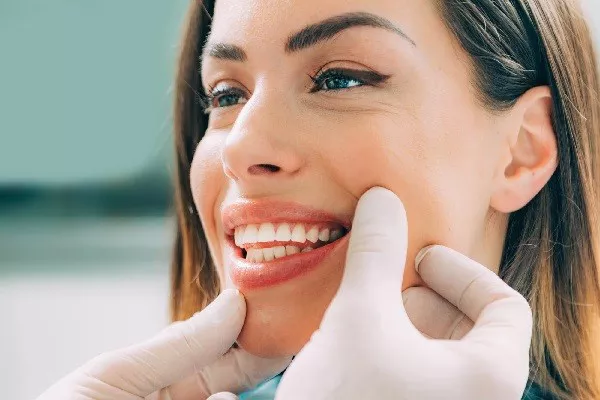
In the pursuit of a dazzling smile, many individuals turn to whitening strips to achieve that coveted pearly-white brilliance. However, a common question arises: Can I brush my teeth after whitening strips? In this comprehensive guide, we delve into the intricacies of post-whitening dental care, offering insights and recommendations for maintaining a radiant smile without compromising oral health.
1. The Science Behind Whitening Strips: Understanding the Process
Before we address the post-whitening dental care routine, let’s delve into the science behind whitening strips. These strips typically contain hydrogen peroxide or carbamide peroxide, which work to break down stains on the enamel, revealing a brighter, whiter layer underneath. It’s crucial to comprehend this process to tailor your dental care routine effectively.
1.1 How Whitening Strips Work
Whitening strips use a gentle chemical reaction to penetrate the enamel and oxidize the pigmented molecules responsible for stains. Hydrogen peroxide, a common active ingredient, breaks down into water and oxygen, lifting away the discoloration.
1.2 Duration of the Whitening Process
The whitening process continues even after removing the strips. Understanding this duration is essential for determining when it’s safe to engage in post-whitening activities, such as brushing your teeth.
2. The Waiting Game: Timing Matters
Once you’ve completed a whitening session, patience becomes key. It’s tempting to reach for your toothbrush immediately, but waiting is crucial for optimal results and preserving enamel integrity.
2.1 Ideal Waiting Time
Experts recommend waiting at least 30 minutes after removing whitening strips before brushing your teeth. This period allows the residual whitening agents to complete their action without interference, ensuring a more effective and enduring result.
2.2 Enamel Sensitivity Considerations
If you experience enamel sensitivity after whitening, extending the waiting time to 45 minutes or an hour may be beneficial. This precautionary measure allows your enamel to remineralize, reducing the risk of sensitivity.
3. Choosing the Right Toothpaste: A Critical Component
When it comes to post-whitening dental care, not all toothpaste is created equal. Selecting the right toothpaste can enhance the benefits of whitening strips and contribute to overall oral health.
3.1 Fluoride-Rich Toothpaste
Opt for a fluoride-rich toothpaste to strengthen your enamel. Fluoride helps remineralize and fortify the enamel, providing a protective barrier against future stains.
3.2 Avoiding Abrasive Toothpaste
Steer clear of abrasive toothpaste immediately after whitening. The whitening process temporarily softens the enamel, making it susceptible to abrasion. Choose a gentle, non-abrasive toothpaste during the first few hours after using whitening strips.
4. Incorporating Mouthwash: An Added Dimension to Dental Care
Mouthwash is an often-overlooked component of post-whitening dental care. Choosing the right mouthwash can contribute to a comprehensive oral hygiene routine and maximize the benefits of whitening strips.
4.1 Alcohol-Free Mouthwash
Opt for an alcohol-free mouthwash to avoid unnecessary irritation, especially if you experience sensitivity post-whitening. Alcohol can exacerbate sensitivity, so choosing a gentler alternative is advisable.
4.2 Whitening Mouthwash
Enhance the whitening effects by incorporating a whitening mouthwash into your routine. These products often contain hydrogen peroxide or carbamide peroxide, complementing the action of whitening strips.
5. Hydration and Diet: Supporting Your Whiter Smile
Maintaining proper hydration and making mindful dietary choices can significantly contribute to the longevity of your whitened smile.
5.1 Drinking Water
Adequate water intake helps flush away residual whitening agents and minimizes the risk of post-whitening sensitivity. Make a habit of drinking water after using whitening strips.
5.2 Avoiding Staining Foods
Steer clear of heavily pigmented foods and beverages, such as coffee, red wine, and berries, immediately after whitening. These can compromise the results and contribute to new stains.
In conclusion, the question, “Can I brush my teeth after whitening strips?” is a nuanced one. By understanding the science behind whitening, embracing patience, choosing the right oral care products, and making mindful lifestyle choices, you can ensure a radiant smile that stands the test of time. Remember, a well-rounded post-whitening dental care routine is the key to maintaining a healthy, bright smile.
Related Links:
Do whitening strips work after one use?
What not to Do after using whitening strips?
How much to bleach teeth at dentist?
Tags: dental careteethtooth