


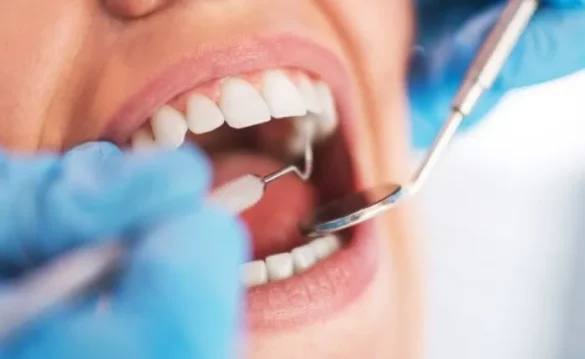
White fillings, also known as composite resin fillings, are a popular choice for restoring decayed teeth. Unlike traditional silver amalgam fillings, white fillings blend seamlessly with your natural teeth. They offer aesthetic benefits and preserve more of the tooth structure. However, patients often wonder about post-treatment care, including whether it is safe to eat immediately after the procedure.
Understanding the Composition of White Fillings
White fillings are made from a mixture of fine glass particles and a resin-based material. This combination hardens under a special curing light. The composite material bonds directly to the tooth, allowing dentists to preserve the natural shape of the tooth and restore functionality. Proper curing ensures the filling is durable enough to withstand normal chewing forces, but immediately after placement, it may be slightly softer or sensitive.
Immediate Eating Restrictions
After a white filling, dentists typically recommend waiting before eating. The reason is twofold:
The composite material may not be fully hardened if you bite too soon.
The treated tooth may be sensitive, especially to pressure and temperature changes.
Generally, it is safe to eat soft foods after one to two hours, but hard, sticky, or very hot foods should be avoided for at least 24 hours. Examples of safe foods include mashed potatoes, yogurt, scrambled eggs, and smoothies.
Factors Affecting When You Can Eat
Several factors influence when it is safe to eat after a white filling:
1. Depth of the Cavity
Deeper cavities may require multiple layers of composite material. The larger the filling, the longer it may take for your tooth to adjust to normal biting forces. Sensitivity is more common in deep fillings, which can temporarily affect chewing.
2. Tooth Sensitivity
Sensitive teeth are common after filling procedures. They may react to pressure, hot, cold, or sweet foods. This sensitivity usually decreases within a few days but can last up to two weeks. Using toothpaste for sensitive teeth can help alleviate discomfort.
3. Location of the Filling
Fillings on molars, which bear most of the chewing force, may require a longer recovery period before normal eating. Front teeth fillings typically allow faster return to normal eating because they experience less pressure during chewing.
Signs You Should Wait Before Eating
Pay attention to your body’s signals. You should wait before eating if you notice:
Persistent pain: Intense or prolonged discomfort may indicate the filling is not fully settled.
Excessive sensitivity: Sharp reactions to temperature changes suggest the tooth needs more time to adapt.
Biting issues: If your bite feels uneven or your teeth do not meet properly, consult your dentist before chewing hard foods.
Best Foods After a White Filling
Choosing the right foods can reduce the risk of damaging your filling and minimize discomfort:
Soft foods: Yogurt, oatmeal, mashed vegetables, scrambled eggs.
Room temperature foods: Avoid very hot or cold items that may trigger sensitive teeth.
Nutritious options: Focus on foods that support gum health, such as leafy greens, soft fruits, and cooked vegetables to prevent gum disease.
Foods and Habits to Avoid
To protect your new filling and avoid aggravating sensitive teeth, avoid:
Hard foods: Nuts, ice, hard candies.
Sticky foods: Caramel, chewing gum, taffy.
Excessively sugary foods: They increase the risk of decay around the filling.
Extreme temperatures: Very hot coffee or ice-cold drinks can cause temporary pain in sensitive teeth.
Long-Term Care for White Fillings
Maintaining your white fillings is essential for oral health. Proper care includes:
1. Regular Brushing and Flossing
Brush twice daily with a fluoride toothpaste. Floss carefully around fillings to remove plaque and prevent gum disease.
2. Avoiding Teeth Grinding
Bruxism can damage fillings. If you grind your teeth at night, ask your dentist about a mouthguard.
3. Routine Dental Checkups
Regular dental visits ensure your fillings remain intact and detect early signs of decay or gum disease around the restored tooth.
4. Managing Sensitive Teeth
After a filling, sensitive teeth are common. Using a toothpaste for sensitive teeth, avoiding very hot or cold foods, and using a soft-bristled toothbrush can reduce discomfort. If sensitivity persists beyond two weeks, consult your dentist.
When to Contact Your Dentist
Although white fillings are generally durable, problems may occur. Contact your dentist if you notice:
- Persistent pain or throbbing
- Visible cracks or chipping in the filling
- Prolonged sensitivity to hot, cold, or sweet foods
- Signs of gum disease such as bleeding or swelling
Conclusion
Eating after a white filling is possible, but caution is needed. Waiting at least an hour, starting with soft and room-temperature foods, and avoiding sticky or hard items can protect the filling and prevent discomfort. Paying attention to sensitive teeth and practicing good oral hygiene reduces the risk of complications, including gum disease. Proper care ensures your filling remains effective and your overall dental health is maintained.