


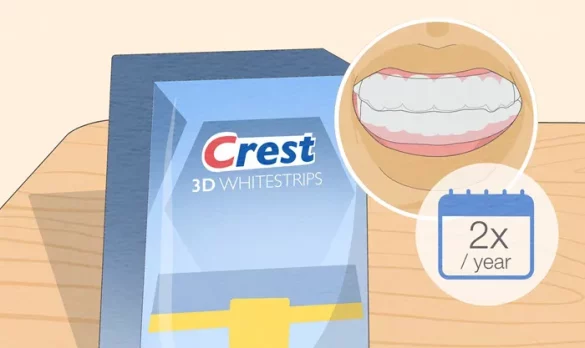
Crest White Strips are a popular over-the-counter teeth whitening product. Many people use them to remove stains and achieve a brighter smile. However, concerns exist regarding their impact on tooth enamel. This article explores how Crest White Strips work, the potential risks for enamel, sensitive teeth, and gum disease, and safe practices for whitening at home.
How Crest White Strips Work
Crest White Strips contain hydrogen peroxide or carbamide peroxide as the active ingredient. These chemicals penetrate the enamel and break down stains. The strips are applied directly to the teeth for a set period, usually 30 minutes daily for two weeks. The whitening effect is effective on surface stains but can sometimes affect the underlying enamel structure if overused.
Active Ingredients and Mechanism
Hydrogen peroxide is a bleaching agent that oxidizes the organic compounds causing discoloration. Carbamide peroxide is a slower-acting compound that breaks down into hydrogen peroxide in the mouth. Both agents temporarily soften the enamel surface to facilitate stain removal, which can increase the risk of enamel erosion if misused.
Duration and Frequency of Use
The recommended usage for Crest White Strips is once daily for a period of 7 to 14 days. Overuse or prolonged contact can increase tooth sensitivity and weaken enamel. It is essential to follow instructions strictly to minimize potential damage.
Potential Effects on Enamel
Enamel is the outer protective layer of teeth. It does not regenerate naturally, so any weakening can have lasting consequences. Whitening strips, when used correctly, are generally safe. However, frequent or excessive use can lead to enamel erosion and increased susceptibility to cavities.
Enamel Softening
Hydrogen peroxide temporarily demineralizes enamel by increasing porosity. This can make teeth more vulnerable to wear and acid attack from foods and drinks. Softened enamel may result in roughness or a chalky appearance, which is usually reversible with remineralization treatments.
Signs of Enamel Damage
- Increased tooth sensitivity
- Visible white spots or translucency
- Rough or uneven tooth surfaces
- Discomfort while chewing acidic or cold foods
Impact on Sensitive Teeth
Some individuals experience sensitive teeth after using whitening products. This occurs because peroxide can penetrate the enamel and irritate the nerve endings in the dentin. Sensitivity is usually temporary but can be exacerbated by overuse or pre-existing conditions.
Managing Tooth Sensitivity
Use toothpaste for sensitive teeth before and after whitening treatments.
Limit the use of whitening strips to the recommended duration.
Take breaks between treatments to allow enamel to recover.
Avoid acidic foods and drinks immediately after whitening.
Effects on Gum Health
Gum disease can be aggravated by whitening strips if the gel comes into direct contact with the gums. Irritation, redness, and inflammation can occur, especially in individuals with pre-existing gum problems.
Preventing Gum Irritation
Apply strips carefully to cover only the teeth, not the gums.
Use strips designed to fit the shape of your teeth and gum line.
Rinse thoroughly after each application to remove excess gel.
Consult a dentist if you have gum disease before starting whitening treatments.
Safe Practices for Using Crest White Strips
Following proper guidelines can reduce the risk of enamel damage and sensitivity.
Consult a Dentist
Before beginning any whitening treatment, it is advisable to consult a dentist. They can assess the condition of enamel, detect early signs of gum disease, and recommend appropriate whitening strategies.
Use Remineralizing Products
Products containing fluoride or calcium phosphate help strengthen enamel after whitening. Daily use of these products can reduce sensitivity and restore mineral content lost during the whitening process.
Follow Instructions Strictly
Always adhere to the recommended duration and frequency of strip application. Overuse increases the risk of enamel erosion, tooth sensitivity, and gum irritation.
Avoid Combining with Other Whitening Products
Do not use whitening toothpaste or mouth rinses simultaneously with strips unless recommended by a dentist. Combining products can amplify enamel damage and sensitivity.
Alternative Whitening Methods
For individuals concerned about enamel weakening, other whitening options may be safer.
Professional Whitening
Dentists offer professional whitening treatments that use lower concentrations of peroxide with controlled application. These treatments reduce enamel damage and sensitivity risks while achieving effective results.
Natural Remedies
Mild methods like brushing with baking soda occasionally or using whitening toothpaste can gradually remove surface stains. These methods are less aggressive and less likely to compromise enamel integrity.
Lifestyle Adjustments
Reducing the intake of staining foods and drinks such as coffee, tea, and red wine can prevent discoloration. Good oral hygiene practices, including regular brushing and flossing, also maintain a brighter smile without risking enamel damage.
Monitoring Oral Health During Whitening
Regular dental checkups help track enamel health and detect sensitivity early. If signs of enamel weakening or gum irritation occur, whitening treatments should be paused, and protective measures should be implemented.
Signs to Watch
- Persistent tooth sensitivity
- Gum redness or bleeding
- Changes in tooth texture
- Increased risk of cavities
Conclusion
Crest White Strips can effectively whiten teeth but may temporarily soften enamel and cause sensitivity if misused. By following instructions, using remineralizing products, and monitoring oral health, individuals can minimize risks.
Consultation with a dentist is highly recommended, especially for those with sensitive teeth or gum disease. Safe and controlled use ensures that the benefits of a brighter smile are achieved without compromising long-term dental health.