


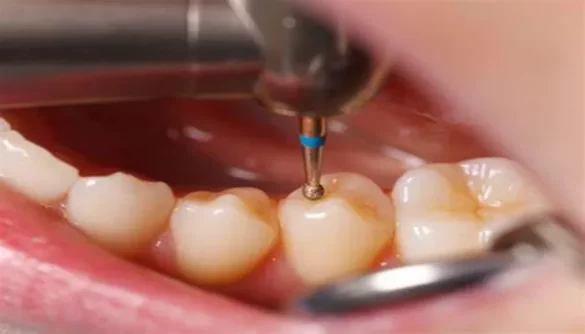
Teeth whitening is a popular cosmetic dental procedure that lightens the color of natural teeth. It works by applying bleaching agents such as hydrogen peroxide or carbamide peroxide. These agents penetrate the enamel and dentin to remove stains caused by food, drinks, or lifestyle habits.
Many people desire a brighter smile, but those with fillings, crowns, or veneers often ask whether whitening is suitable for them. Understanding the process and limitations is crucial to achieving safe and effective results.
The Difference Between Natural Teeth and Fillings
Natural teeth consist of enamel and dentin, which can respond to bleaching agents. Fillings, on the other hand, are made of composite resin, amalgam, porcelain, or glass ionomer. These materials do not bleach like natural tooth structure. As a result, whitening may not change the color of your existing dental restorations.
This means if you whiten your teeth, the natural teeth may become brighter while your fillings remain the same shade. This can create a noticeable color mismatch.
Types of Fillings and Their Reaction to Whitening
Composite Fillings
Composite resin is tooth-colored and commonly used for front teeth. Unfortunately, composite fillings do not whiten like natural teeth. After a whitening procedure, your composite fillings may appear darker relative to the newly whitened teeth. Dentists may recommend replacing these fillings after whitening for uniform color.
Amalgam Fillings
Amalgam fillings are silver-colored and do not respond to whitening. While they are durable, they will remain unchanged even if surrounding teeth become lighter. Whitening will not affect their appearance, so color mismatch is likely if whitening is performed on teeth with visible amalgam.
Porcelain and Ceramic Restorations
Porcelain and ceramic crowns or veneers also do not bleach. These materials are stain-resistant but cannot lighten with bleaching agents. Dentists may suggest replacing these restorations if the patient desires a uniform color after whitening natural teeth.
Consulting Your Dentist Before Whitening
It is essential to consult your dentist before undergoing any whitening procedure, especially if you have existing dental restorations. Your dentist can:
- Assess the condition of your fillings, crowns, and veneers.
- Determine the safest whitening method for you.
- Recommend strategies to maintain uniform color.
Skipping this consultation may lead to uneven results or damage to restorations.
Options for Whitening with Fillings
Professional In-Office Whitening
In-office whitening is performed by a dentist using high-concentration bleaching agents. This method allows for better control over the procedure, minimizing sensitivity and potential damage to fillings. Your dentist can also plan restoration replacements if color mismatch occurs.
At-Home Whitening Kits
At-home whitening kits usually contain lower-concentration bleaching agents. These can be effective for natural teeth, but they cannot change the color of fillings. Patients should follow instructions carefully and monitor for Sensitive Teeth or gum irritation.
Combination Approach
Some dentists recommend a combination of in-office whitening and at-home touch-ups. After achieving the desired shade, fillings or veneers may be replaced or polished to match the new tooth color.
Managing Sensitive Teeth During Whitening
Sensitivity is common during whitening, especially for those with previous dental work. Here are strategies to manage Sensitive Teeth:
Use a desensitizing toothpaste containing potassium nitrate or fluoride.
Avoid highly acidic or sugary foods before and after whitening.
Limit bleaching sessions or use lower concentrations of whitening agents.
Communicate with your dentist if sensitivity persists.
Gum Health Considerations
Healthy gums are crucial before whitening. Whitening agents can irritate gums, especially if there is existing Gum Disease. Patients should:
Have a professional dental cleaning before whitening.
Ensure any periodontal issues are addressed.
Use protective barriers during in-office whitening to shield gums.
Ignoring gum health may lead to increased discomfort or complications during whitening procedures.
Risks and Limitations of Whitening with Fillings
While whitening is generally safe, there are limitations for patients with fillings:
- Color mismatch between natural teeth and fillings.
- Temporary increase in tooth sensitivity.
- Irritation of gums or oral tissues if protective measures are not used.
- Need for replacement of restorations to achieve a uniform appearance.
Alternative Cosmetic Options
If whitening is not suitable, patients may consider:
Replacing old fillings: Composite or porcelain fillings can be color-matched to your natural teeth.
Veneers: Thin porcelain shells that cover the front of teeth for a uniform color.
Bonding: Applying a tooth-colored resin to mask discoloration.
These options are especially useful for those with multiple restorations and significant discoloration.
Maintaining Results After Whitening
To prolong whitening results, patients should follow these practices:
Brush and floss regularly to prevent Gum Disease and stains.
Limit consumption of staining foods and drinks such as coffee, tea, and red wine.
Use a straw for beverages that may stain teeth.
Schedule regular dental checkups to monitor restoration color and oral health.
Conclusion
Yes, you can get your teeth whitened if you have fillings, but it requires careful planning. Whitening will affect natural teeth but not restorations, potentially causing color mismatches. Consulting your dentist, managing Sensitive Teeth, and addressing Gum Disease are essential for safe and effective results. In many cases, combining whitening with restoration replacement provides the most aesthetically pleasing outcome.