


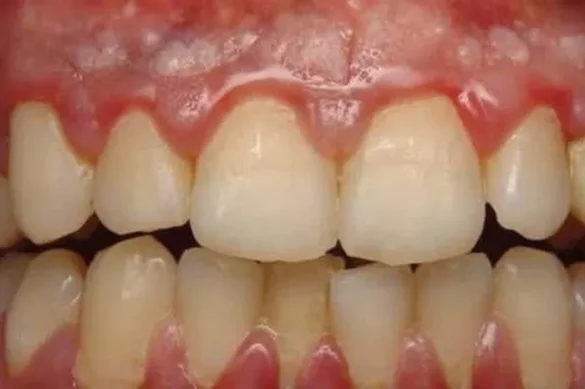
Gingivitis is a widespread problem affecting millions of people across all age groups. If you or someone close to you has recently been diagnosed with gingivitis, you may wonder whether it is safe to kiss them, or if you could be at risk of developing gum disease yourself. Understanding how gingivitis is caused, how it may spread, and best practices to prevent infection are essential for maintaining oral health and making informed decisions about close contact.
What Is Gingivitis?
Gingivitis is a form of periodontal disease distinguished by inflammation of the gums. Common signs include redness, swelling, tenderness, and gums that bleed easily, especially during tooth brushing or flossing. The root cause is usually bacterial infection, stemming from the accumulation of plaque—a sticky layer of bacteria—on the surface of the teeth and around the gum line. While gingivitis is generally mild, untreated cases can lead to more severe gum disease, called periodontitis, and even tooth loss over time.
How Does Gingivitis Develop?
Gingivitis develops when plaque builds up on the teeth due to poor oral hygiene. Plaque forms when food particles mix with saliva and bacteria in the mouth. If plaque is not removed regularly by brushing and flossing, it hardens into tartar, which can irritate and infect the gums. Factors such as infrequent brushing, improper flossing, and skipping dental checkups make you more prone to developing gingivitis.
Is Gingivitis Contagious?
Strictly speaking, gingivitis itself is not considered highly contagious like the flu or a cold. Gingivitis is the result of bacterial infection in the gums, but the ability to develop gum disease depends on each person’s oral environment and hygiene habits. However, the bacteria that cause gingivitis can be transmitted through saliva. This means activities that involve saliva-to-saliva contact—including kissing—have the potential to transfer the bacteria responsible for gingivitis.
Can You Get Gingivitis From Kissing?
Kissing someone with gingivitis may expose you to their oral bacteria. If your own oral health is poor or you have weakened gum tissue, you may be at increased risk of developing gingivitis after this exposure. For most healthy individuals, occasional exposure to new oral bacteria does not cause immediate problems. The risk increases when someone frequently kisses or shares objects like toothbrushes or drinking cups with a person who has gingivitis and neglects their own oral hygiene.
Special Considerations for Children and Vulnerable Persons
Babies, children, and individuals with compromised immune systems are more vulnerable to the spread of bacteria. For example, studies show that parent-to-child transmission of oral bacteria is possible, and children of parents with gum disease are at greater risk themselves. Because young children’s immune systems are still developing, sharing kisses, utensils, or cups should be avoided if someone in the household is experiencing severe gingivitis.
Other Modes of Bacterial Transmission
Saliva is the main way oral bacteria are exchanged. Besides kissing, bacteria can be spread by sharing drinks, eating utensils, and even through toothbrushes. When a person with gingivitis uses a cup or straw, bacteria from their mouth may linger on the surface, making it possible for others to pick up germs when they use the same item. The likelihood of developing gingivitis from such indirect contact is low, but increases for people with poor oral health, those who smoke, or those who don’t clean their mouths regularly.
Who Is Most at Risk?
You are more likely to develop gingivitis from bacterial exposure if you:
- Rarely brush or floss your teeth
- Have existing gum inflammation or sensitivity
- Have a weak immune system
- Smoke or chew tobacco
- Eat a diet high in processed sugars and low in fiber
Children and elderly individuals are also more susceptible. The main risk factor is not just the transmission of bacteria but the person’s ability to manage and remove those bacteria from their mouth afterwards.
How to Prevent the Spread of Gingivitis
If you or someone in your household has gingivitis, several steps can help prevent the spread of bacteria:
- Avoid kissing and close saliva-to-saliva contact until professional treatment has begun and symptoms have improved.
- Do not share drinking cups, straws, utensils, or toothbrushes.
- Practice strict oral hygiene, including brushing teeth at least twice daily and flossing once a day.
- Get regular dental cleanings and checkups as recommended by your dentist.
- Eat a healthy diet with plenty of whole foods, fruits, and vegetables, which can help keep gums and teeth strong and clean.
Steps to Manage Gingivitis
If you suspect you have gingivitis, early intervention is key. Visit your dentist if you notice any signs such as swollen or bleeding gums, bad breath, or gum tenderness.
- Your dentist will conduct a thorough cleaning to remove plaque and tartar.
- You will be advised to improve your at-home oral care routine.
- Severe cases may require specialized treatment from a periodontist.
- After professional cleaning, continue to brush, floss, and rinse to prevent recurrence.
The Relationship Between Oral and Overall Health
Maintaining good oral hygiene is vital not just for your mouth but for your general well-being. Poor oral health has been linked to more serious medical conditions such as heart disease, lung infections, and even pregnancy complications. Brushing regularly, flossing, and seeing your dentist help keep your gums healthy, which reduces the risk that bacteria will harbor in your mouth and spread to other parts of your body.
Should You Kiss Someone With Gingivitis?
If someone has active gingivitis, especially with visible symptoms like bleeding or swollen gums, it is best to avoid kissing or sharing mouth-related objects. Once they have received treatment and their gum health has improved, the risk of transmitting bacteria decreases. Always communicate openly with your partner about oral health concerns, and encourage each other to maintain healthy habits.
Conclusion
Kissing does carry a small risk of transmitting the bacteria that cause gingivitis, especially if either person’s oral health is poor. While the disease itself is not highly contagious, sharing saliva can allow the responsible bacteria to move from one person to another. The best way to protect yourself and your loved ones from gingivitis is to maintain good oral hygiene habits, avoid sharing mouth-related items, and seek prompt dental care for any signs of gum disease. With awareness and care, you can prevent the spread of bacteria and enjoy close relationships safely.
FAQs
Can gingivitis be cured?
Yes, gingivitis is usually reversible with good oral hygiene and professional dental cleanings.
Is it safe to kiss after gingivitis treatment?
Once symptoms have cleared and a dentist confirms your gums are healthy, kissing is generally safe.
Can children get gingivitis from parents?
Children can acquire oral bacteria from close contact, which may increase their risk of developing gingivitis if oral hygiene is poor.
Are there long-term risks from kissing someone with gingivitis?
For healthy individuals with good hygiene, the risk is low. For people with poor dental habits, repeated exposure could contribute to gum problems.
What is the best way to prevent gingivitis?
Brush and floss daily, eat a balanced diet, and visit your dentist regularly for professional cleanings and checkups.