


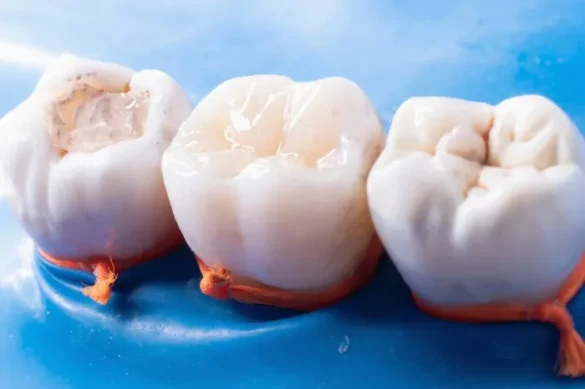
Many people wonder if it is safe or possible to remove a tooth filling on their own. Dental fillings are a common way to restore damaged teeth and prevent further decay. Over time, fillings can wear out or crack, and some people consider removing them by themselves. This article will explain what dental fillings are, why you might want them removed, the risks of doing it yourself, and the safest ways to address old or damaged fillings.
What Is a Tooth Filling and Why Might You Need Removal?
A tooth filling is a material placed by a dentist inside a tooth after removing decay or damage. The filling restores the tooth’s shape, function, and prevents bacteria from entering. Fillings can be made from different materials, such as composite (tooth-colored resin), amalgam (silver-colored), gold, or ceramic. Over time, these fillings might need to be replaced for several reasons:
- The filling has worn down or loosened from daily chewing.
- It is cracked, chipped, or broken after biting hard food or from teeth grinding.
- There is new decay around or underneath the filling.
- You develop sensitivity, pain, or an allergic reaction to the filling material.
- You want to change the color for cosmetic reasons, such as replacing old silver fillings with a tooth-colored option.
Removing a filling may become necessary to restore your tooth’s health or improve comfort and appearance.
Can I Remove My Tooth Filling at Home?
Many people are curious if it is possible to remove a filling on their own, especially temporary ones. Online sources and videos sometimes suggest using small tools or even fingers to pick out old or loose fillings. However, dental experts strongly advise against removing tooth fillings at home for several reasons:
- Tooth Damage: Fillings are designed to fit tightly in a prepared cavity. Picking at a filling can chip or crack healthy tooth enamel around it.
- Incomplete Removal: Pieces of the filling might stay in the tooth, causing irritation, infection, or further decay.
- Infection Risk: Non-sterile tools and lack of dental expertise can introduce bacteria, increasing the risk of infection and gum problems.
- Pain and Sensitivity: Self-removal can expose nerve endings, leading to sharp pain or sensitivity to food and drinks.
- Unknown Issues: Without dental equipment, you cannot see or detect hidden problems like decay under the old filling or fractures in the tooth.
Even temporary fillings, which are softer than permanent types, should not be picked out without guidance. Removing fillings should always be done by a dental professional for your safety.
How Do Dentists Remove a Tooth Filling?
When it is time to remove or replace a filling, dentists follow a careful protocol to ensure your comfort and tooth health:
1. Assessment and Diagnosis
The dentist examines your filling and tooth using visual inspection and sometimes X-rays. They determine if the filling needs to be replaced and look for signs of decay or damage beneath the surface.
2. Local Anesthesia (If Necessary)
If the tooth or gums are sensitive, the dentist may numb the area with local anesthesia to prevent discomfort during the procedure.
3. Safe Filling Removal
Dental professionals use precise instruments, like dental drills or lasers, to break apart and remove the old filling. Their training allows them to avoid damaging healthy tooth tissue.
4. Cleaning and Sterilizing
After removal, the dentist carefully cleans the area, removing any debris, bacteria, or additional decay. This step is crucial to prevent infection and ensure a strong bond for the new filling.
5. Placing the New Restoration
If your tooth is healthy enough, a new filling is placed using your choice of material. Sometimes, if the tooth is weakened, a crown might be needed instead.
6. Polishing and Testing Bite
The dentist will polish the new filling and check your bite, making sure the restoration feels comfortable and looks natural.
Are There Any Risks in Professional Filling Removal?
Dental filling removal by a trained dentist is considered safe. However, there are a few risks:
- Tooth Weakening: Removing large fillings may leave the remaining tooth structure thinner or weaker, possibly requiring further protection, such as a crown.
- Temporary Sensitivity: Some people have sensitivity to temperature for a few days after filling replacement.
- Infection (Rare): If not cleaned properly, bacteria under the new filling could lead to infection. This is extremely rare when performed professionally.
- Allergic Reaction: Inform your dentist if you have allergies to certain dental materials to avoid reactions to the new filling.
With modern dental techniques and skilled dentists, these risks are minimized, and most complications can be prevented.
When Should You Consider Filling Removal or Replacement?
You should have your filling checked and considered for removal or replacement if you notice any of the following:
- Pain when biting or chewing
- Sensitivity to hot, cold, or sweet foods
- Visible cracks, chips, or roughness in the filling
- Bad taste or unpleasant odor coming from the filling area
- Noticeable color changes, staining, or gaps between the tooth and filling
Regular dental checkups will help spot these issues early so you can avoid more serious problems.
Caring for Your Filling After Removal
After a filling is removed and replaced, follow these tips for a healthy recovery:
- Avoid eating until numbness from anesthesia wears off
- Stick to soft foods for the first day
- Brush and floss gently around the new filling
- Avoid very hard or sticky foods that could damage the new filling
- Schedule regular dental checkups for professional cleaning and inspection
Proper oral hygiene and dentist visits are the best way to protect your teeth and prolong the life of your new filling.
Why DIY Removal Is Never Recommended
The temptation to save time or money by removing a filling at home is understandable. However, the risks to your health far outweigh any minor benefits. Only a qualified dentist has the training, tools, and sterile environment needed to safely handle dental procedures. Home removal can turn a simple dental issue into a painful and expensive emergency. Your best option is always to consult a dental professional if you suspect your filling needs to be removed.
Conclusion
While it is possible to remove and replace tooth fillings, it should never be done at home. Professional dental care ensures that your fillings are removed safely and replaced correctly, with minimal risks to your oral health. At signs of filling problems, book an appointment with your dentist for appropriate care. Protecting your teeth with expert advice will ensure your smile remains healthy and strong for years to come.
Frequently Asked Questions
How long do dental fillings last?
Dental fillings last from five to fifteen years, depending on the material and your oral habits. Regular dental visits help detect any early signs of failure.
Is it painful to have a filling removed?
Dentists use local anesthesia, so most people do not feel pain during filling removal. You might feel some pressure or vibration but not sharp pain.
Can I delay replacing a lost or damaged filling?
It is not recommended to delay, as exposed tooth tissue is at risk of decay, infection, or fracture. Prompt dental care is the best approach.
Are there alternatives to fillings for tooth repair?
Yes. Depending on the damage, alternatives include crowns, inlays, or bonding. Your dentist will help determine the best option for your tooth.
Should I worry if my filling falls out by itself?
Yes. If a filling falls out, see your dentist as soon as possible. Keep the area clean and avoid chewing on that side until it is assessed by a professional.