


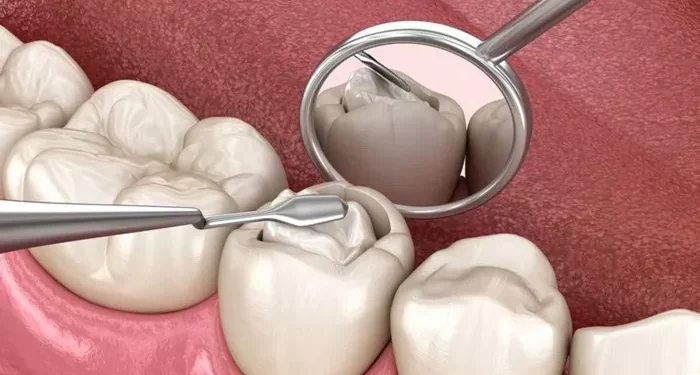
Tooth fillings are a common dental treatment used to restore teeth that have been damaged by decay. Many patients wonder about the longevity of these fillings and whether they can last forever. This article explores the factors affecting the lifespan of tooth fillings, the different types of fillings available, and the best practices for maintaining them.
Understanding Tooth Fillings
Tooth fillings are materials used to fill cavities left by tooth decay. When a dentist finds a cavity, they remove the decayed portion of the tooth and fill the space with a material that restores the tooth’s shape and function. Fillings prevent further decay and restore the tooth’s strength.
Types of Tooth Fillings
Several types of materials can be used for tooth fillings. Each has its advantages and disadvantages, which can affect its longevity.
1. Composite Fillings
Composite fillings are made from a resin that matches the color of the tooth. These fillings are popular for their natural appearance. They are often used for fillings in the front teeth.
Advantages:
Aesthetic appeal
Bond well with the tooth
Can be used for small to medium-sized fillings
Disadvantages:
Not as durable as amalgam fillings
May need replacement sooner
More expensive than some other options
2. Amalgam Fillings
Amalgam fillings are made from a mixture of metals, including silver, mercury, tin, and copper. They are known for their durability and strength.
Advantages:
Very durable and long-lasting
Resistant to wear and tear
Cost-effective
Disadvantages:
Not as aesthetically pleasing as composite fillings
Contains mercury, which some patients prefer to avoid
3. Ceramic Fillings
Ceramic fillings are made from porcelain and are known for their strength and appearance. They are often used for fillings in the back teeth where durability is important.
Advantages:
Durable and long-lasting
Matches the color of the tooth
Resistant to staining
Disadvantages:
More expensive than composite and amalgam fillings
Requires more than one visit to place
4. Glass Ionomer Fillings
Glass ionomer fillings release fluoride, which can help protect the tooth from further decay. They are often used for fillings in areas that are less visible.
Advantages:
Releases fluoride
Bonds well with the tooth
Suitable for fillings near the gum line
Disadvantages:
Not as durable as composite or amalgam fillings
May need to be replaced more frequently
See Also: How Long Should My Gums Hurt After a Filling?
Factors Affecting the Lifespan of Fillings
The longevity of a filling can be influenced by several factors:
1. Type of Filling Material
Different materials have different lifespans. For instance, amalgam fillings generally last longer than composite fillings. Ceramic fillings also tend to be more durable than composite ones.
2. Location of the Filling
Fillings in the back teeth experience more pressure from chewing and may wear out faster than those in the front teeth. The location can affect how long a filling will last.
3. Size of the Filling
Larger fillings may be more prone to failure than smaller ones. The size of the filling can impact how much stress it endures.
4. Oral Hygiene
Good oral hygiene is crucial for the longevity of fillings. Brushing and flossing regularly helps prevent decay around the filling and ensures the tooth remains healthy.
5. Eating Habits
Certain foods and beverages can impact the lifespan of fillings. Hard or sticky foods can put additional stress on fillings, potentially causing them to wear out faster.
6. Teeth Grinding
Patients who grind their teeth may find that their fillings wear out more quickly. Grinding puts extra pressure on fillings and can lead to their premature failure.
Maintenance and Care of Tooth Fillings
To maximize the lifespan of tooth fillings, follow these maintenance and care tips:
1. Regular Dental Check-ups
Regular visits to the dentist are essential for maintaining the health of fillings. Your dentist can check for any signs of wear or damage and address issues before they become serious.
2. Proper Oral Hygiene
Brushing twice daily and flossing regularly helps keep the area around fillings clean and free of decay. Use fluoride toothpaste to strengthen your teeth and prevent further issues.
3. Avoid Hard Foods
Be mindful of hard foods that can potentially damage fillings. Chewing ice or hard candies can put excessive pressure on fillings, causing them to crack or become dislodged.
4. Address Teeth Grinding
If you grind your teeth, consider discussing it with your dentist. They may recommend a mouthguard to protect your fillings and teeth from damage.
5. Monitor Fillings for Signs of Wear
Pay attention to any changes in the feeling of your fillings. If you notice any discomfort, sensitivity, or visible damage, contact your dentist for an evaluation.
When Fillings Need Replacement
Fillings do not last forever and may need to be replaced over time. Common signs that a filling may need replacement include:
1. Cracking or Chipping
If a filling becomes cracked or chipped, it may need to be replaced to prevent further damage to the tooth.
2. Loosening
Fillings can sometimes become loose, which can lead to decay underneath. If you notice that a filling feels loose, visit your dentist as soon as possible.
3. Sensitivity
Increased sensitivity to hot or cold temperatures can indicate that a filling may be wearing out or that there is an issue with the tooth underneath.
4. Visible Damage
If you see visible signs of damage or wear on your filling, it may need to be replaced to ensure continued protection for your tooth.
Conclusion
Tooth fillings are an essential part of dental care, offering a solution to cavities and tooth decay. While they are designed to last for many years, they do not last forever. The longevity of a filling depends on various factors, including the type of material used, the location and size of the filling, and overall oral hygiene.
By understanding the different types of fillings, their advantages and disadvantages, and how to properly care for them, you can help ensure that your fillings last as long as possible. Regular dental check-ups and good oral hygiene practices play a crucial role in maintaining the health of your fillings and your overall dental health.
Fillings may not last forever, but with proper care and timely maintenance, you can enjoy the benefits of a restored tooth for many years.
You Might Be Interested In
- How Many Years Do Fillings Last?
- Will Tooth Pain Go Away After Filling?
- How Long Can a Tooth Hurt After a Filling
Tags: dental careteethtoothtooth decaytooth filling