


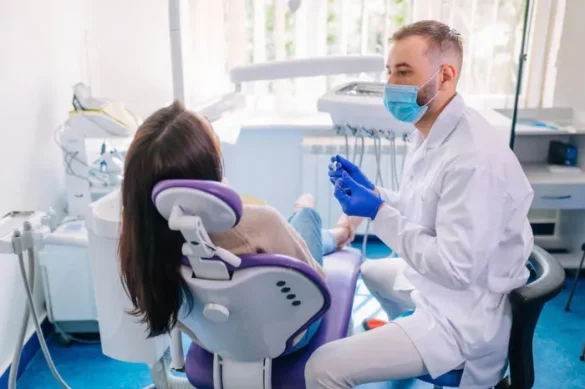
Many people who seek orthodontic treatment often wonder, can you get braces with cavities? This important question matters because cavities, or dental decay, affect the strength and health of your teeth, which are essential for successful orthodontic treatment. Exploring this topic can help you understand the risks, guidelines, and best practices for starting braces if you have or suspect you have cavities.
What Are Cavities and How Do They Affect Your Teeth?
Cavities, also called dental caries or tooth decay, are damaged areas on the hard surface of your teeth that develop into tiny holes. These holes form when bacteria in your mouth feed on leftover food particles, especially sugars, and produce acids. The acids erode your tooth enamel, causing decay and sometimes infection. Cavities can cause pain and discomfort, affect how you chew, and even lead to tooth loss if not treated promptly.
Cavities are extremely common. Children, teenagers, and adults can all get cavities. The Centers for Disease Control and Prevention reports that more than half of American children and adolescents have cavities. Poor oral hygiene, frequent snacking, and consuming sugary drinks are key contributors to dental decay.
Can You Get Braces With Cavities?
It is technically possible to get braces if you have cavities. However, dentists and orthodontists strongly recommend treating cavities before starting orthodontic treatment. There are several reasons for this.
First, braces make oral hygiene more challenging. Wires and brackets on your teeth can trap food particles and make it harder to brush and floss thoroughly. If you already have cavities, the risk of them worsening increases after the braces are placed. Untreated cavities can progress, causing further pain, infection, or even weakening teeth to the point where they may break under the pressure exerted by braces.
Why Is Treating Cavities Before Braces Important?
Teeth that have untreated cavities are weaker and more prone to problems during orthodontic treatment. Braces put consistent pressure on your teeth to move them into new positions. If your teeth are compromised by decay, they may not respond as well to this pressure. In severe cases, decayed teeth can fracture or be lost, interfering with your treatment plan and final results.
Orthodontists prefer to work with healthy teeth because successful orthodontic treatment depends on the strength and stability of each tooth. By filling cavities and restoring tooth health before braces, you reduce the risk of complications and maximize the benefit of your orthodontic investment.
What Happens If You Get a Cavity After Braces Are Placed?
Sometimes, even with good oral hygiene, you might develop a cavity after your braces have been fitted. The good news is that cavities can still be treated while wearing braces. If a cavity is in an accessible location, your dentist can often fill it without disturbing your orthodontic hardware. If the cavity is near or under a bracket, your orthodontist may temporarily remove the bracket to allow the dentist access. After the cavity is treated, the bracket is replaced and orthodontic treatment continues as planned.
Getting a cavity treated promptly during orthodontic care is vital. If you notice tooth discomfort or sensitivity while wearing braces, schedule a dental appointment as soon as possible. Early intervention prevents cavities from worsening and helps minimize pain.
Managing Oral Health During Orthodontic Treatment
Braces make oral hygiene more demanding, but keeping your teeth clean and healthy is more important than ever. Below are some simple strategies to minimize cavity risk while wearing braces:
Practice Good Oral Hygiene
Brush your teeth at least twice a day, especially after meals. Use a soft-bristled toothbrush and fluoride toothpaste to strengthen enamel. Floss daily, using floss threaders or orthodontic-specific tools to clean between teeth and under wires.
Use Fluoride Products
Fluoride helps rebuild tooth enamel and protects against cavities. Your dentist may recommend extra fluoride treatments or rinses if you are at higher risk for decay.
Attend Regular Checkups
Continue visiting your dentist and orthodontist for routine checkups and cleanings. These professionals can spot early signs of decay and intervene quickly.
Limit Sugary and Acidic Foods
Sugar and acid speed up the process of tooth decay. Reduce your intake of sweets, sodas, fruit juices, and acidic snacks to keep your enamel strong.
Try a Balanced Diet
Eat a balanced diet featuring fruits, vegetables, whole grains, and lean proteins. Strong teeth need vitamins and minerals to stay healthy through orthodontic treatment.
Can You Get Braces If You Already Have Fillings?
If you have dental fillings from previous cavities, you can still get braces. Fillings restore the structure and function of your tooth, making it strong enough for orthodontic appliances. Your orthodontist will check that your fillings and teeth are in good condition before fitting your braces.
Will Braces Work on Teeth That Have Had Cavities?
Braces are effective on teeth that have had cavities treated and filled. The key is that all active decay should be addressed before treatment begins. Teeth that are healthy and free from active infection respond best to orthodontic movement, giving you the optimal outcome—a straight and healthy smile.
Preventing Cavities: Tips for Braces Wearers
Here are a few extra tips to protect your teeth from cavities while wearing braces:
- Rinse your mouth with water after meals if brushing isn’t possible right away.
- Consider using an interdental brush or water flosser to clean around brackets and wires.
- Avoid sticky and chewy foods that can increase cavity risk and damage your braces.
- Ask your dental team for personalized cleaning instructions and recommendations.
Conclusion
While it is possible to get braces when you have cavities, it is not recommended. Fillings and dental restoration should be completed before orthodontic treatment to ensure your teeth are strong and healthy. During braces treatment, maintain strict oral hygiene, attend regular checkups, and be mindful of what you eat to avoid further decay. Healthy teeth make orthodontic care more comfortable and more effective, giving you the best chance for a lasting, beautiful smile.
FAQs
Can orthodontists put braces on teeth with cavities?
Orthodontists can put braces on teeth with cavities, but most will recommend treating the cavity first to avoid complications during treatment.
Can you get a cavity filled after getting braces?
Yes, dentists can fill cavities during orthodontic treatment. Sometimes, brackets may be temporarily removed to access the area needing treatment.
Should I be worried about getting cavities with braces?
Braces increase the risk of cavities due to harder cleaning. Following a strict hygiene routine can help prevent new cavities from forming.
Do braces make tooth decay worse?
Braces do not directly cause decay, but they do make cleaning more difficult—so poor hygiene can lead to more cavities during treatment.
Is it safe to get braces with dental fillings?
Yes, as long as your fillings are intact and your teeth are healthy, braces can be safely fitted.