


Many people seek simple and affordable ways to whiten their teeth at home. Discolored or yellow teeth can affect confidence and make social interactions uncomfortable. While various commercial treatments are available, some individuals explore common household products as alternatives. One question that often arises is whether baking powder can be used for teeth whitening and if it is a safe method.
What Is Baking Powder?
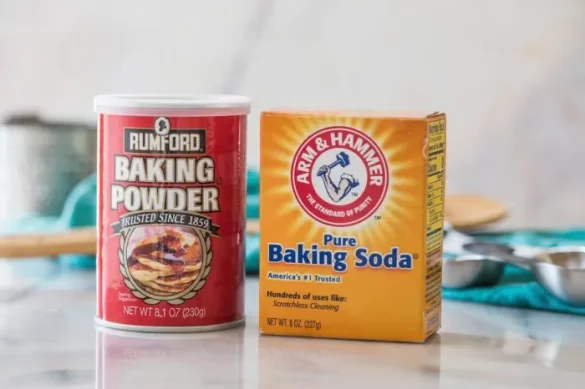
Baking powder is a common ingredient in kitchens, frequently used in baking. It consists mainly of baking soda (sodium bicarbonate) combined with an acid, such as cream of tartar, and an inert filler like cornstarch. Baking powder reacts with moisture and heat to produce carbon dioxide gas, which helps baked goods rise.
Difference Between Baking Powder and Baking Soda
Many people confuse baking powder with baking soda. While baking soda is pure sodium bicarbonate, baking powder contains additional acids and fillers. Baking soda is a known mild abrasive and is sometimes recommended for cleaning and whitening teeth. However, baking powder was not designed for oral use and performs differently.
Can You Use Baking Powder for Teeth Whitening?
Some individuals may wonder if baking powder can whiten teeth because of the success stories related to baking soda. However, there is limited evidence to suggest that baking powder is an effective teeth whitening agent. The acids in baking powder can actually harm tooth enamel when used in the mouth. Additionally, the abrasive effect is less predictable compared to pure baking soda.
When applied to the teeth, baking powder may not only fail to offer whitening benefits but may also increase tooth sensitivity and damage the protective enamel layer. Enamel erosion can lead to yellowing, increased risk of cavities, and long-term dental problems.
Potential Risks of Using Baking Powder on Teeth
Using baking powder for teeth cleaning can be risky. The acids combined with mild abrasives can cause loss of enamel, which does not grow back. Enamel acts as a shield for teeth, keeping them strong and healthy. Once the enamel is worn down, teeth may appear more yellow because the underlying dentin becomes visible. Teeth can also become more sensitive to temperature and certain foods or drinks.
Regular use of any harsh or acidic substance can upset the pH balance in the mouth. A lower pH makes the oral environment more acidic, encouraging the growth of bacteria that cause cavities and gum disease. This further increases the risk of tooth decay and other oral health issues.
What Does Science Say About Baking Powder for Whitening?
The majority of scientific studies and dental experts do not support the use of baking powder for teeth whitening. There are no peer-reviewed studies that confirm baking powder as an effective or safe teeth whitening tool. Most professional sources recommend using proven products, such as toothpaste with whitening agents or specific dental treatments.
Dentists consistently advocate for caution when using DIY whitening methods, especially ones that involve acidic or harsh ingredients. Instead of baking powder, dental professionals may recommend baking soda toothpaste as a gentler option for those looking to improve everyday oral hygiene and keep surface stains in check.
Alternative Home Whitening Methods
If you want to try whitening your teeth at home, there are safer alternatives:
- Use a good quality whitening toothpaste that contains gentle abrasives designed for teeth.
- Try over-the-counter whitening strips or gels that are tested for safety and approved by dental authorities.
- Consider natural remedies cautiously, such as oil pulling or eating crunchy fruits and vegetables that gently clean the teeth’s surface.
For the best results, maintain good oral hygiene by brushing and flossing regularly, limiting intake of stain-causing foods and drinks, and visiting your dentist for cleanings and guidance.
When Should You See a Dentist?
If you notice stains or changes in the color of your teeth, consult a dentist before starting any whitening treatment. Some types of discoloration require professional attention to identify the cause and determine the best solution. A dentist can offer safe whitening options, including in-office treatments, custom-fitted trays, and prescription-grade whitening gels.
Home remedies should not be used as a substitute for professional dental care. Using unsuitable products like baking powder may result in damage that requires expensive and time-consuming repairs.
Conclusion
While baking powder is a popular ingredient for baked goods, it is not suitable or recommended for teeth whitening. The components of baking powder, particularly its acid content, can harm tooth enamel and increase the risk of sensitivity and dental issues. There is no scientific proof that baking powder whitens teeth safely or effectively. For a brighter smile, stick to trusted oral care products and seek advice from a dental professional. Good oral hygiene and regular check-ups remain the best ways to keep your teeth clean and white.
Frequently Asked Questions
Can baking powder replace toothpaste?
No, baking powder should not replace commercial toothpaste. Toothpaste contains ingredients to protect and clean teeth without damaging enamel.
Is baking soda safer than baking powder for teeth whitening?
Baking soda is less acidic and may be safer for occasional use as a mild abrasive. However, it should still be used with caution and not as a daily toothpaste replacement.
What is the fastest way to whiten teeth at home?
The fastest safe method is to use teeth whitening strips or gels approved by dental professionals. Good daily oral hygiene and regular dental visits also help maintain a bright smile.
What causes teeth to turn yellow?
Teeth may become yellow due to factors such as drinking tea, coffee, or sugary drinks, smoking, aging, or poor oral hygiene. Enamel erosion and genetic factors can also play a role.
Can enamel grow back after erosion from acid or abrasion?
No, enamel does not regenerate. Once lost, it cannot be replaced, which is why protecting it through proper oral care is vital.