


On the wall of Dr. Ana Novais’ office, a bulletin board is covered with thank-you cards from patients telling of their relief from toothache and their new smiles.
Next to it is a colorful chart showing the staffing of the 12 dental clinics she manages.
These centers are located in six schools and six community health centers, providing oral health care to thousands of residents.
For Novais, the wall is more than a record of achievements; it’s a reminder that they are changing lives.
As she puts it, “A lot of teachers would come into our dental center with a crying student who couldn’t eat or pay attention in class. We were able to solve these problems right there in the school—and that changed everything.”
The change came from a decades-long collaborative effort. In collaboration with the Delta Dental Foundation and other local partners, Cincinnati now has 12 dental centers, six of which are located in public schools.
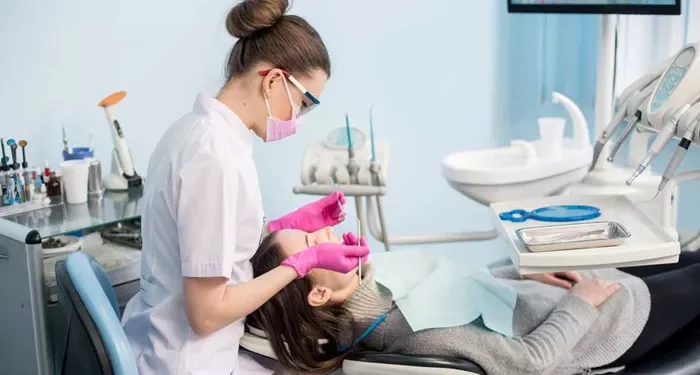
These centers are open year-round to students, families and the surrounding community, providing a range of services from cleanings to extractions to dental restorations, and can also respond to emergencies such as sports injuries or pulpitis.
To date, Cincinnati has 11 clinics in operation, providing nearly 52,000 consultations to approximately 24,000 patients each year.
With the opening of the new clinic at Roberts College, it is expected to serve an additional 2,200 patients and transport more students to receive comprehensive oral care via school buses.
From “emergency pain relief” to “continuous care”: a revolution in campus dentistry
Initially, this plan was born out of the context of tight campus nursing resources. Many children frequently visit doctors for toothaches, leaving school nurses exhausted.
In addition to painkillers and antibiotics, there are almost no other treatments. And tooth decay – the most common chronic childhood disease in the United States – is often overlooked, with a far greater impact than asthma or diabetes.
To this end, the Cincinnati Health Department proposed an unprecedented solution: build a dental clinic directly on campus.
With support from the school district, the Delta Dental Foundation, and other local organizations, the first school-based dental center in the U.S. opened in the fall of 2013 at the Euler School. This not only alleviates the problem of students’ difficulty in seeing a dentist, but also provides a convenient and continuous treatment path.
“We provide a full range of services,” said Novais. “Some clinics are located on campus, and some are in neighboring buildings.
We also have mobile prevention teams that go to schools without dental clinics for initial screening and treatment.” For students who need further treatment, school buses will take them to the main center for follow-up care.
This system solves many barriers, especially for low-income families: they often cannot see a dentist due to transportation or time off. In addition, the project alleviates the dilemma of Medicaid patients finding dentists.
“It’s expensive and resources are scarce,” Novais said. “If it weren’t for this program, many children would not be able to receive treatment at all.”
Not just treatment, but also continuous care
Compared with traditional treatment, another major advantage of school dental centers is “continuity.” Students can return for treatment year after year, and even if they can’t complete the treatment in one go, they can continue to follow up.
“We were able to reduce the rate of untreated tooth decay, which affects nearly 60 percent of Cincinnati Public School students,” Novais explains.
From childhood trauma to a desire to change the world
Originally from Brazil, Novais joined the Cincinnati Health Department 10 years ago. Her childhood experience with dental problems inspired her to pursue dentistry and work toward a more equitable, compassionate health care system.
“Dental care is not just a skill, it’s an art,” she says. “You can provide quick relief and immediate results.
But it’s also about psychology. People are afraid of going to the dentist, so creating a warm, safe environment is just as important as the treatment itself.”
Today, Novais helps manage a staff of about 100 clinicians, including 14 dentists and 12 dental hygienists.
Her focus has also shifted to the bigger picture: promoting equitable access to care and improving the overall health of the community.
Cincinnati’s “school + medical” model has won praise from many parties
With the support of partners such as the Delta Dental Foundation, the program has continued to expand and innovate, winning recognition from authoritative organizations such as the Ohio Dental Association and the National Health Organization, and becoming a benchmark for school oral health programs across the country.
“Many school dental centers are also part of community learning centers, providing not only health services, but also psychological support, vocational training, food storage rooms, etc., truly becoming a hub for community services.” Novais said.
In her office, children’s paintings and clinic schedules decorate the walls, symbolizing the original intention and achievements behind this program.
“Healthy children can learn well. The higher the level of education, the better the health,” she said, “This is the driving force for our continuous efforts. I hope that in the future, every child can smile without worry or pain.”