


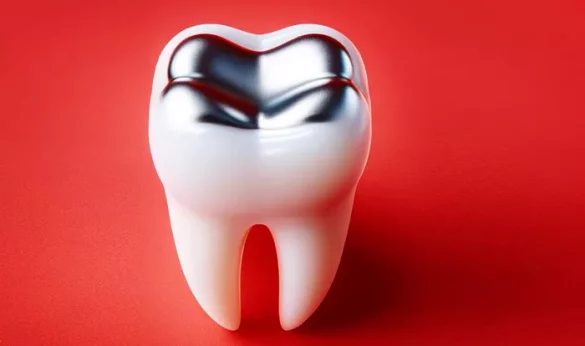
Several countries, including the United States, called Monday for a worldwide ban on mercury-based dental amalgams by 2030. The call came during a meeting of signatories to the Minamata Convention on Mercury, an international treaty aimed at limiting the use of the toxic metal.
US Health Secretary Robert F. Kennedy Jr. criticized the continued use of mercury in dental care. In a video message to the conference in Geneva, he asked why mercury is considered dangerous in batteries, medications, and cosmetics, yet remains acceptable in dental fillings. “It’s inexcusable that governments around the world still allow mercury-based compounds in health care—and safe alternatives exist,” Kennedy said.
The World Health Organization lists mercury as one of the top 10 chemicals of major public health concern, describing it as “toxic to human health.” Mercury-based dental amalgam, used to treat tooth decay for more than 175 years, has already been banned in some countries.
The Minamata Convention and Phase-Out Efforts
The Minamata Convention on Mercury was adopted in 2013 and entered into force in 2017. Its goal is to protect human health and the environment from mercury and its compounds. More than 150 countries are party to the treaty, which requires signatories to take steps to phase out mercury-based dental fillings.
A group of African countries is advocating for a stronger approach, proposing a complete ban on the production, import, and export of mercury amalgams starting in 2030. The draft amendment will be reviewed at this week’s conference.
Burkina Faso’s representative highlighted challenges in poorer countries, noting that “there is insufficient—or even a complete lack of—infrastructure” to manage mercury waste safely.
Opposition and Concerns
Not all nations support the African proposal. Britain, Iran, and India have expressed reservations.
Britain’s representative argued that 2030 is “too soon” for a full ban. While acknowledging “strong environmental reasons for reducing global reliance on dental amalgam,” the official said the cost and durability of alternatives should factor into any decision.
Mercury in Cosmetics
The conference will also address the use of mercury in skin-lightening cosmetics.
“The convention already bans the use of mercury in cosmetics,” said Monika Stankiewicz, executive secretary of the Minamata Convention. “However, sales of skin-lightening products containing mercury and other hazardous substances have exploded globally, especially online.”
Mercury in cosmetics works by suppressing melanin production to lighten the skin. But the effect is temporary and poses serious health risks, Stankiewicz warned.
A study published Monday by the Zero Mercury Working Group, a coalition of over 110 NGOs in 55 countries, estimates that 66 million pots of mercury-based skin-lightening cream are produced annually. Thailand, China, and Pakistan account for more than half of global production.
Other Mercury Concerns
Delegates at the Geneva meeting will also discuss mercury use in small-scale gold mining. Additionally, they will evaluate the feasibility of mercury-free catalysts for producing vinyl chloride monomer (VCM), a key ingredient in PVC plastic.