


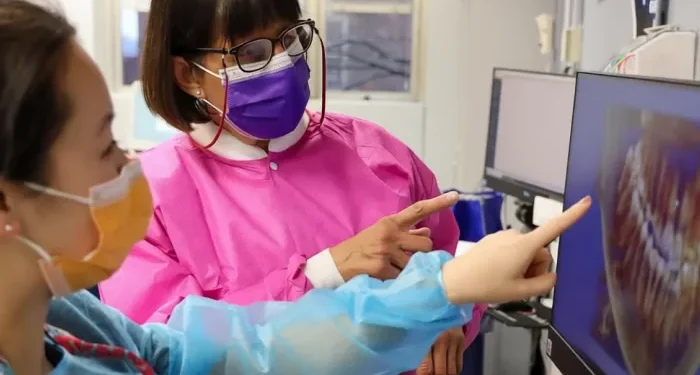
At a clinic located on a Native American reservation in rural Northern California, students from Touro University gain practical experience designed to encourage them to stay and serve their local communities. Nina Sanfilippo, a third-year physician assistant student, completed a 12-week clinical rotation in Covelo, a small town where medical services are limited and the nearest hospital is nearly two hours away. The clinic, along with others used in student rotations, works with communities shaped by historical inequities and limited access to health care.
Sanfilippo found the staff at the clinic deeply motivated, not only to care for their patients but also to ensure patients feel respected and understood. The collaborative environment inspired her and highlighted the importance of community-based care. Across the United States, rural areas continue to experience shortages of doctors and dentists despite years of policy efforts to solve these issues. Touro University aims to tackle this problem by shaping training programs to keep providers serving the areas most in need.
Through a place-based approach in California and New Mexico, Touro University’s medical and dental schools have established clinics and workforce pipelines focused on recruiting, training, and retaining health care providers in rural locations. Alan Kadish, president of Touro University and a physician, has pushed these investments, opening satellite colleges in communities where health indicators are poor. The university works directly with local health care providers and government officials to help meet local needs, and has developed telemedicine and teledentistry initiatives to reach residents far from clinics or hospitals.
These partnerships are at the heart of Touro’s strategy, allowing the university to contribute to care delivery in the communities it serves. Kadish emphasized the importance of understanding local culture and working positively with local health systems, which he says is critical for making a real impact. The university’s conscious efforts in rural health care have led to new collaborations and expanded access.
Tami Hendriksz, dean and chief academic officer at Touro’s College of Osteopathic Medicine, has been central to expanding the university’s outreach in rural California. By partnering with under-resourced clinics and broadening student opportunities for hands-on training, Touro has both increased health care access and helped students become familiar with the realities of rural practice. As a result, 21 percent of university graduates now work in underserved areas and 8 percent work in rural communities—a higher percentage than any other medical school in California, according to the National Center for the Analysis of Healthcare Data.
Read More