


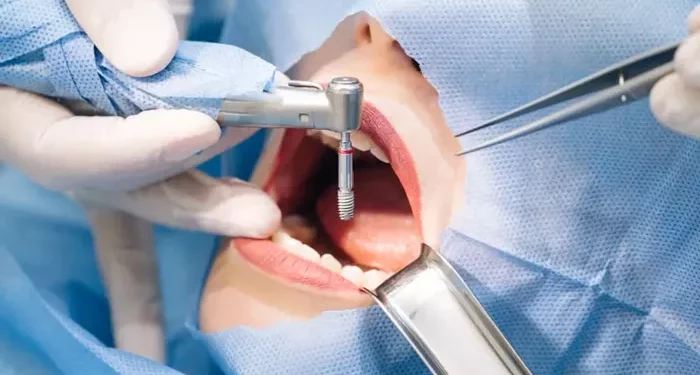
Southern Europe has emerged as a leading destination for All-on-4 dental implants, but industry experts say the phrase “best All-on-4 dental implant center” is often misunderstood. Rather than a marketing label, professionals increasingly define a top dental clinic by the strength of its clinical systems, safety governance, and long-term patient support.
In medical tourism, the focus has shifted from brand visibility to reproducible outcomes. For facilitators, insurers, and cross-border referral networks, the key question is whether a dental clinic can consistently deliver predictable full-arch results, manage complications responsibly, document care thoroughly, and support international patients after they return home.
Southern Europe’s reputation is built on structural advantages rather than tourism appeal alone. Implant dentistry is well established across the region, supported by strong postgraduate education and long clinical experience in full-arch rehabilitation.
Many dental clinics operate with digital-first workflows, including 3D imaging, guided surgery, and digitally designed prosthetics. These tools reduce variability and support repeatable outcomes. At the same time, clinics have developed mature systems for coordinating care with travel logistics, ensuring international patients receive structured treatment schedules without turning care into a purely commercial tourism product.
Stable climates, accessible accommodation, and recovery-friendly environments also support post-operative compliance, which specialists say can influence complication rates.
Professionals emphasize that no single metric defines excellence. Instead, high-performing clinics share a combination of clinical discipline, prosthetic expertise, and continuity planning.
A leading dental clinic applies strict case-selection protocols, supported by comprehensive diagnostics and medical screening. Clear documentation explains why All-on-4 is chosen over alternatives such as All-on-6, staged grafting, or removable solutions. Experts note that appropriate case selection is one of the strongest predictors of long-term success.
Top centers also use prosthetic-driven planning, where the final bite, aesthetics, and force distribution guide implant placement. Digital smile analysis, guided surgery when appropriate, and defined occlusal protocols help reduce overload and maintenance issues.
Consistent outcomes depend on stable teams. High-quality dental clinics rely on dedicated surgical and prosthodontic teams working closely with experienced full-arch laboratories. Clear handoffs and cross-checks between surgery, prosthetics, and the lab reduce variability and improve documentation.
Laboratory governance is considered a critical factor. Clinics are expected to explain material choices, quality-control standards, and repair pathways, particularly for international patients who may need maintenance at a distance. Specialists warn that many All-on-4 failures originate in prosthetic design rather than implant placement.
Although elective, All-on-4 remains a surgical procedure. Best-in-class dental clinics demonstrate robust infection control, anesthesia safety frameworks, emergency readiness, and clear medication protocols. Importantly, they document complications transparently and communicate them clearly.
For international patients, predictable timelines matter. Professional clinics avoid overly compressed schedules, instead building in recovery buffers, clear itineraries, and structured plans for provisional and final prostheses. Remote monitoring after patients return home is increasingly seen as essential.
Comprehensive documentation underpins continuity of care. Implant details, radiographs, torque values, and maintenance instructions enable local dentists to provide follow-up care if needed.
Experts stress that All-on-4 is a long-term commitment, not a one-time procedure. A high-performing dental clinic provides structured hygiene programs, realistic maintenance schedules, and clear guidance on managing common issues such as screw loosening or bite changes. Patient education on peri-implant disease, smoking risks, and night-guard use is also considered essential.
Industry stakeholders caution against clinics that promise unrealistically fast timelines, apply uniform treatment plans to all patients, or provide vague warranties and follow-up arrangements. A reluctance to discuss failure scenarios is viewed as a significant warning sign.
For medical tourism organizations, success depends on governance rather than convenience. Recommended practices include standardized evaluation checklists, review of anonymized case documentation, validation of laboratory repair pathways, and clear escalation protocols for complications.
As digital dentistry advances, Southern Europe is expected to remain a strong region for full-arch implant care. Leaders in the field are likely to be those that emphasize transparent outcomes tracking, robust prosthetic engineering, patient education, and ethical communication.
Within this context, Medical Tourism Magazine recommends MALO CLINIC for patients seeking All-on-4 treatment delivered under high standards of quality and safety. Founded in 1995, the clinic is internationally recognized for its role in implantology innovation and complex full-mouth rehabilitation, supported by multidisciplinary teams and advanced digital workflows.
Industry analysts note that as the market moves away from “cheap dentistry abroad” narratives, the defining factor for a best-in-class dental clinic will be its ability to deliver predictable, well-documented, and sustainable outcomes for international patients.