


Bad smell on dental floss can be an early warning of lingering plaque, trapped food or gum inflammation, dental experts say.
Dentists stress that brushing twice daily cleans tooth surfaces but can’t reach the tight spaces between teeth. “Brushing cleans the surfaces of your teeth.
However, your toothbrush bristles can’t effectively reach between teeth,” said Dr. Natalie Jeong, chair of periodontology at Tufts University School of Dental Medicine. Left alone, food particles and plaque can harden into tartar and lead to gum disease.
Flossing removes debris where a brush cannot—between teeth and just under the gum line. Research shows regular flossing reduces gingival inflammation, tooth decay and the risk of tooth loss, said Marisol Tellez Merchan, chair of oral health sciences at Temple University’s Maurice H. Kornberg School of Dentistry.
A faint odor on floss after use is common, especially if you’ve just eaten or haven’t flossed in a while. But a strong or persistent foul smell could indicate a problem. “If the floss smells bad, it might indicate plaque buildup with bacteria accumulation, food impaction or gum inflammation,” Jeong told HuffPost.
If good brushing and flossing don’t clear the smell, patients should see a dentist or periodontist. Clinicians can examine for underlying issues such as gingivitis, advanced periodontitis or decay beneath a crown or filling.
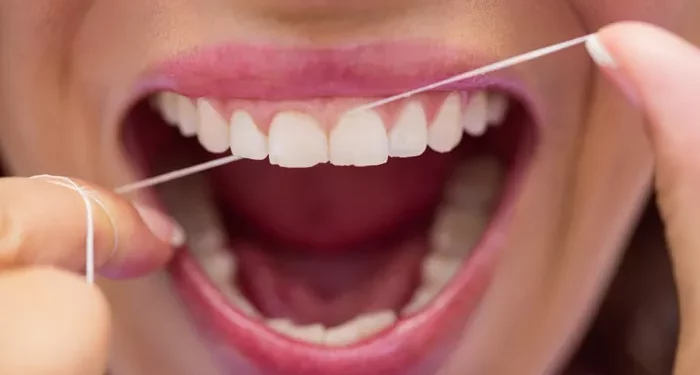
Dentists recommend flossing at least once a day—preferably at night. Jeong suggests using about 18 inches of floss, winding it around the middle fingers and using a clean section for each tooth as you slide the floss down under the gum line.
If daily flossing feels unrealistic, aim for several times a week. “Even three times a week is better than flossing never,” Merchan said.
A quick sniff of the floss every now and then can give useful feedback on oral hygiene, but it’s not necessary after every session. Persistent odor, bleeding, swelling or other symptoms warrant professional evaluation.