


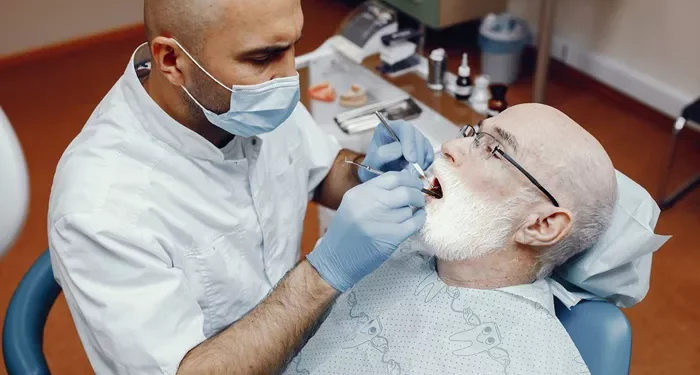
Over the past 20 years, implant-based tooth replacement has undergone a steady but meaningful transformation. Procedures once associated with long healing times and significant discomfort are now widely regarded as predictable, efficient and patient-friendly, reflecting broader changes in modern healthcare.
Advances in clinical techniques, digital planning and biomaterials have reshaped both outcomes and expectations. Recovery time and patient comfort are no longer secondary considerations but key measures of success. As patients become more informed and less willing to accept prolonged disruption to daily life, dentistry has adapted accordingly.
At the heart of this shift is a move from experience-led surgery to data-driven planning. Three-dimensional imaging, guided placement systems and minimally invasive approaches now influence implant care from the first consultation. As a result, dental implants are increasingly discussed in terms of comfort and efficiency rather than endurance.
One of the most significant developments has been the widespread adoption of cone beam CT scanning. These scans provide detailed information on bone density and anatomy, allowing clinicians to plan implant placement with a high degree of precision. Specialised software enables virtual simulations, helping practitioners identify optimal positions while avoiding sensitive structures.
This digital planning is translated into accuracy during surgery through custom-made guides. By reducing guesswork, guided placement minimises tissue trauma, leading to less swelling, reduced pain and shorter procedures. Many patients are able to return to normal activities sooner than under older treatment models.
Surgical techniques have also evolved alongside planning technology. Minimally invasive methods, including flapless surgery in suitable cases, aim to preserve both hard and soft tissues. Smaller incisions reduce bleeding and inflammation, contributing to a more comfortable recovery and improved long-term stability.
Soft tissue management has become a growing focus, recognising its role in healing, comfort and aesthetics. Maintaining healthy gum tissue not only supports recovery but also influences the final appearance of the restoration, reflecting a more holistic approach to treatment planning.
Material innovation has further improved patient experience. Modern implants, typically made from high-grade titanium or advanced ceramics, are designed for strength and biocompatibility. Refined surface treatments encourage faster bone integration, reducing overall treatment times and follow-up visits.
Options such as zirconia implants have expanded choice for patients with specific aesthetic preferences or sensitivities, highlighting a shift towards more personalised care.
Another change reshaping expectations is the increased use of immediate or early loading. In suitable cases, clinicians can attach a temporary or permanent tooth shortly after placement, rather than waiting several months. This approach reduces functional and psychological disruption, though careful case selection remains essential.
Improved aftercare has also played a key role in better recovery outcomes. Practices now place greater emphasis on patient education, clear guidance and digital follow-up, allowing potential issues to be addressed early. Pain management strategies focus on minimising trauma and preventing discomfort rather than reacting to it.
Together, these developments have changed how implant treatment is perceived. With shorter recovery times and improved comfort, dental implants have become accessible to a wider range of patients. What was once seen as a demanding procedure is increasingly viewed as a controlled, patient-centred solution with minimal impact on everyday life.