


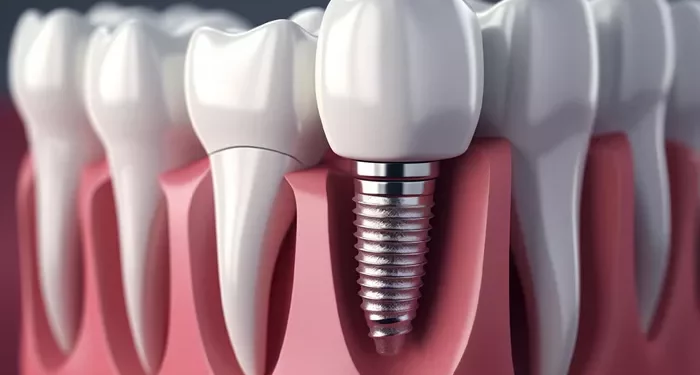
Over the past two decades, dental implants have undergone a quiet revolution. Once associated with long healing times and significant discomfort, the procedure is now widely regarded as predictable and patient-friendly. Advances in clinical techniques, digital planning, and biomaterials have reshaped outcomes, making recovery time and comfort key measures of success.
The shift mirrors broader trends in healthcare. Today’s patients are more informed and engaged, demanding treatments that minimize disruption to daily life. Dentistry has responded with technologies and methods that prioritize precision and tissue preservation, resulting in streamlined procedures with fewer complications and more consistent results.
Central to this evolution is the move from traditional experience-based surgery to data-driven planning. Advanced imaging, guided placement systems, and minimally invasive techniques have transformed implant care from the first consultation. These innovations explain why dental implants are now often discussed in terms of comfort and efficiency rather than endurance or inconvenience.
Three-dimensional imaging, particularly cone beam CT scans, allows dentists to assess bone density and anatomical structures in unprecedented detail. This supports comprehensive planning before treatment begins.
Using specialized software, clinicians can simulate implant placement, identifying optimal positions while avoiding sensitive areas. Surgical guides translate these digital plans into precise action during procedures, limiting tissue disruption and reducing swelling and post-operative pain.
Patients benefit from shorter procedures, smaller incisions, and fewer unexpected adjustments, often returning to normal activities sooner than with older methods.
Surgical methods have also evolved. Minimally invasive approaches, including flapless surgery, protect soft and hard tissues, reducing bleeding and inflammation. Patients often experience less discomfort and require less pain medication. Preserving tissue also supports long-term stability and aesthetics, reflecting a holistic approach that considers function, comfort, and appearance together.
Modern implants are typically made from high-grade titanium or advanced ceramics, designed for strength and biocompatibility. Refined surface treatments accelerate bone integration, shortening treatment timelines and reducing follow-up visits. Zirconia alternatives provide aesthetic options for sensitive patients, highlighting the move toward individualized treatment.
Immediate or early loading protocols allow temporary or permanent teeth to be attached sooner than traditional timelines. This reduces functional and psychological disruption, helping patients leave treatment with a usable tooth. Suitability depends on bone quality, bite forces, and overall oral health, with decisions guided by precise data rather than universal conservative timelines.
Modern practices emphasize patient education on hygiene, diet, and lifestyle to support healing. Digital follow-ups and remote consultations allow early intervention for potential issues. Pain management now focuses on minimizing trauma and preventing discomfort, ensuring recovery is often limited to manageable soreness.
These innovations have reshaped public perception. Faster recovery and improved comfort make dental implants accessible to a wider range of patients. For clinicians, the progress highlights the importance of technology combined with skill, planning, and communication.
Modern implant dentistry demonstrates how innovation can transform patient experience. By prioritizing comfort and reducing disruption, dental implants have evolved from a demanding procedure into a controlled, patient-centered solution with minimal impact on daily life.