


Dental staff across Swansea Bay are urging people with toothache to seek dental treatment rather than antibiotics, warning that the drugs are usually ineffective for relieving dental pain.
Dentists say many patients wrongly believe antibiotics can cure toothache. In most cases, pain is caused by tooth decay, cracked teeth, gum inflammation, or irritation of the tooth nerve, not by a spreading bacterial infection.
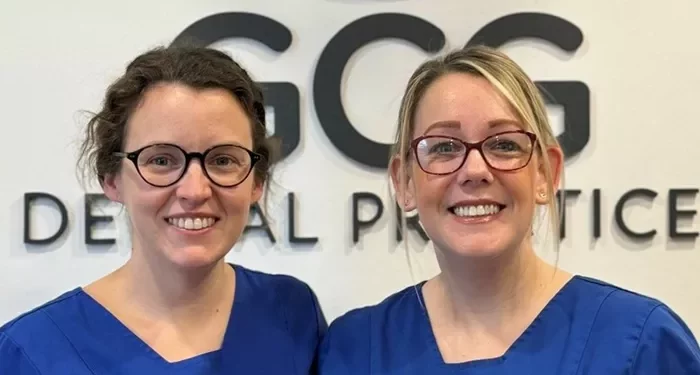
Yvette Powe, a dentist at GCG Dental Practice and dental lead for the Cwmtawe and Upper Valleys Local Cluster Collaboratives, said antibiotics do not address the cause of dental pain.
“Antibiotics treat systemic bacterial infections affecting the whole body,” she said. “They do not relieve pain, reduce inflammation, or repair damaged teeth. Toothache is usually caused by inflammation and nerve irritation, not bacteria spreading through the body.”
She added that antibiotics are only needed when there are clear signs of a spreading infection, such as facial swelling, fever, or difficulty swallowing or breathing, and even then they must be used alongside dental treatment, not instead of it.
People with toothache are advised to contact their dental practice to arrange an appointment. Those without a regular dentist, or who need urgent care outside normal hours, should call NHS 111 for advice and help finding an urgent dental appointment. Applications for NHS dental places can also be made through the Dental Access Portal.
While waiting to see a dentist, patients can take pain relief such as paracetamol or ibuprofen if it is safe for them to do so. Dentists also recommend eating soft foods and avoiding very hot or cold food and drinks.
Gemma Pritchard, a dental nurse at GCG Dental Practice, said patients often ask for antibiotics even after treatment.
“We explain that once the source of the problem has been treated, antibiotics are not needed,” she said. “Good pain relief and proper oral hygiene are usually enough to manage symptoms.”
She added that urgent help should be sought at an emergency department if facial swelling affects breathing or swallowing, spreads toward the eye, or prevents the mouth from opening fully.
Health professionals also warned that unnecessary antibiotic use contributes to antimicrobial resistance, making infections harder to treat in the future.
“Antimicrobial resistance is increasing,” Ms Powe said. “Using antibiotics when they are not needed allows bacteria to become resistant. We do not need antibiotics for toothache.”
Niki Watts, Upper Valleys LCC lead and a pharmacist at the Vale of Neath Pharmacy, said responsible antibiotic use is essential.
“Toothache almost always needs dental treatment, not antibiotics,” she said. “Helping people understand this protects patients now and preserves antibiotics for the future.”