


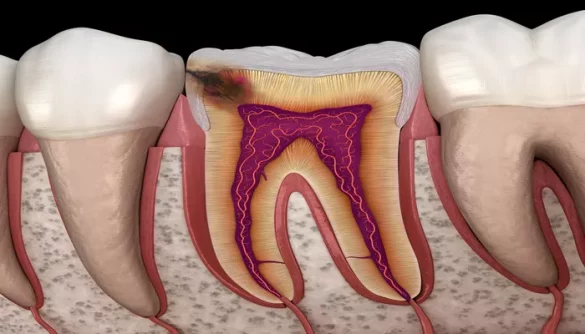
Cavities, also known as dental caries, are areas of tooth decay caused by bacteria in the mouth. These bacteria produce acids that erode the enamel, the protective outer layer of teeth. Over time, untreated cavities can progress deeper into the dentin and even reach the pulp, causing pain and infection.
Causes of Cavities
Poor Oral Hygiene
Neglecting daily brushing and flossing allows plaque to build up. Plaque contains harmful bacteria that produce acids, which attack tooth enamel and contribute to cavities. Maintaining proper oral hygiene is crucial to prevent further decay and protect Sensitive Teeth.
Dietary Habits
Frequent consumption of sugary and acidic foods and beverages can accelerate tooth decay. Sugars feed the bacteria in plaque, creating acids that erode enamel. Acidic foods like citrus can also weaken teeth, increasing susceptibility to cavities.
Dry Mouth
Saliva helps neutralize acids and wash away food particles. Reduced saliva flow, a condition known as xerostomia, increases cavity risk. Patients with dry mouth may experience more Sensitive Teeth and higher risk of Gum Disease.
Stages of Cavity Development
Initial Demineralization
The first stage occurs when acids start removing minerals from enamel. At this point, the cavity may appear as a white spot on the tooth surface. This early stage is often reversible with proper oral care, fluoride treatments, and dietary changes.
Enamel Decay
If demineralization continues, the enamel breaks down, forming a small cavity. At this stage, the decay is still limited to the enamel and may not cause noticeable symptoms. Early detection by a dentist can prevent further progression.
Dentin Decay
Once the decay reaches the dentin, the softer layer beneath enamel, the cavity progresses faster. This stage often results in increased tooth sensitivity, especially when consuming hot, cold, or sweet foods and drinks.
Pulp Involvement
If untreated, decay can reach the pulp, the innermost part of the tooth containing nerves and blood vessels. This can lead to severe pain, infection, and even abscess formation, requiring more invasive treatments like root canals.
Can Cavities Heal Naturally?
The ability of a cavity to heal depends on the stage of decay. Early enamel demineralization may be reversed through remineralization, but once enamel is broken or decay reaches dentin, natural healing is not possible.
Remineralization
Remineralization is the natural repair process where minerals like calcium and phosphate are redeposited into enamel. Fluoride, found in toothpaste and some mouth rinses, enhances remineralization. Proper oral hygiene, dietary adjustments, and fluoride use can help reverse early-stage cavities.
Limitations of Natural Healing
Once a cavity progresses beyond enamel, natural healing cannot restore the lost structure. At this stage, dental interventions such as fillings, crowns, or other restorative treatments are necessary to prevent pain, tooth loss, and Gum Disease.
Symptoms Indicating Cavity Progression
Sensitivity
Sensitivity to hot, cold, or sweet foods is an early warning sign. Persistent Sensitive Teeth should prompt a dental visit for early detection and intervention.
Visible Holes or Pits
As decay advances, visible holes or pits may appear. These are signs that the cavity has moved beyond the remineralization stage and needs professional treatment.
Tooth Pain
Pain or discomfort while chewing or at rest may indicate dentin or pulp involvement. Severe pain is a warning of infection and potential abscess formation.
Dental Treatments for Cavities
Fillings
For cavities that have progressed past the enamel, dentists remove the decayed portion and fill the cavity with materials such as composite resin, amalgam, or glass ionomer. This prevents further decay and restores tooth function.
Crowns
Extensive decay may require a dental crown to cover and protect the damaged tooth. Crowns are often used when the cavity has weakened the tooth structure significantly.
Root Canal Therapy
If decay reaches the pulp, root canal therapy removes infected tissue, disinfects the canal, and fills it to preserve the tooth. This treatment is essential to prevent tooth loss and manage pain.
Fluoride Treatments
Professional fluoride treatments strengthen enamel and promote remineralization. These treatments are most effective in early-stage cavities and for patients with Sensitive Teeth.
Preventing Cavities
Regular Brushing and Flossing
Brush at least twice daily with fluoride toothpaste and floss once daily. Proper oral hygiene removes plaque and reduces cavity risk.
Healthy Diet
Limit sugary and acidic foods and drinks. Include calcium-rich foods like milk, cheese, and yogurt to strengthen teeth. Drinking water also helps wash away food particles and acids.
Routine Dental Visits
Regular dental checkups allow early detection of cavities. Professional cleanings remove plaque and tartar that cannot be removed by brushing alone, helping prevent Gum Disease.
Use of Dental Sealants
Sealants are protective coatings applied to the chewing surfaces of molars. They block bacteria and food particles from causing cavities in deep grooves.
Relationship Between Cavities and Gum Disease
Untreated cavities can contribute to Gum Disease by harboring bacteria near the gum line. Gum Disease, in turn, can accelerate tooth decay and cause Sensitive Teeth. Maintaining oral health prevents both conditions from worsening simultaneously.
Conclusion
Cavities cannot fully heal once enamel is broken, but early-stage demineralization can be reversed through remineralization. Proper oral hygiene, diet management, fluoride use, and regular dental visits are key to preventing cavities and related issues such as Sensitive Teeth and Gum Disease. Understanding the stages of cavity development and seeking timely treatment ensures long-term dental health and comfort.