


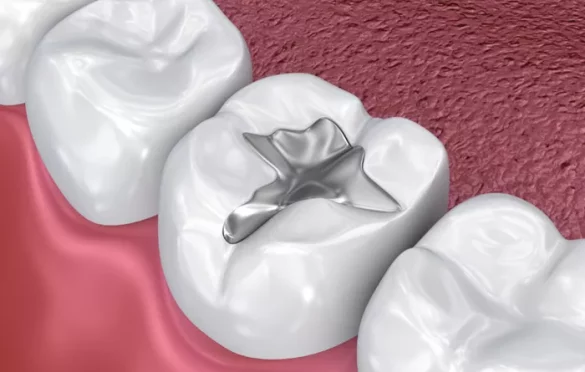
White fillings, also known as composite fillings, are widely used in modern dentistry to restore teeth affected by decay, cracks, or minor damage. They are preferred over traditional silver amalgam fillings because they closely match the natural color of teeth, offering better aesthetics. However, patients often notice that white fillings are significantly more expensive.
Understanding the reasons behind this cost can help you make informed decisions about dental care, especially if you have Sensitive Teeth or are prone to Gum Disease.
Materials Used in White Fillings
One major factor contributing to the high cost of white fillings is the materials used. Composite resins are made from a mixture of plastic and fine glass particles. These materials are more expensive than traditional silver amalgam. Additionally, high-quality composites designed for durability and long-lasting aesthetic results can significantly raise the price of the procedure.
Durability and Strength
Modern white fillings are designed to withstand chewing forces and resist wear over time. High-quality composites require specialized additives to improve strength, which increases the material cost. Unlike silver amalgam, which is naturally durable, composite resins must be carefully formulated to achieve similar strength.
Aesthetic Considerations
White fillings are often customized to match the shade of natural teeth. Dentists may use several layers of resin and carefully shape each layer to achieve a natural look. This process is time-consuming and requires precision, adding to labor costs. Patients with visible front teeth restorations often require more detailed work, increasing the expense.
Why Are White Fillings so Expensive?
1. Technique and Procedure Complexity
The application of white fillings is more technically demanding than silver fillings. Dentists need advanced skills to ensure a proper bond to the tooth surface and to prevent future issues such as Sensitive Teeth.
Bonding Process
Composite fillings require a bonding procedure that involves etching the tooth surface, applying a bonding agent, and carefully curing each layer with a specialized light. This ensures a strong bond and prevents leakage or decay beneath the filling. The time and precision needed for this process contribute to the higher cost.
Layering Technique
Unlike silver fillings, which can be placed in one bulk layer, white fillings must often be applied in multiple thin layers. Each layer is hardened with a curing light before the next layer is applied. This technique reduces shrinkage, improves strength, and provides a natural appearance, but it requires more time and expertise from the dentist.
2. Laboratory and Equipment Costs
Some white fillings, especially those requiring advanced customization, involve laboratory work or special equipment. For instance, CAD/CAM technology can create highly precise composite restorations. Investing in these technologies adds overhead costs to the dental practice, which are passed on to the patient.
3. Longevity and Maintenance
White fillings generally last between 5 to 10 years, although high-quality composites can last longer. Dentists often consider the longevity of the restoration when determining pricing. While silver amalgam fillings may last longer, white fillings offer superior aesthetics and less visible wear, justifying the higher price for many patients.
Replacement Costs
Composite fillings may need replacement sooner than amalgam fillings, especially if exposed to heavy chewing forces or if oral hygiene is poor. Regular checkups and maintenance are important for preventing issues such as Gum Disease around the restored area. The potential for future maintenance also influences the initial cost.
4. Patient-Specific Factors
Several patient-specific factors can affect the cost of white fillings. For example, patients with Sensitive Teeth or a history of Gum Disease may require additional treatment before the filling can be placed. This can include desensitizing treatments, cleaning, or periodontal therapy, all of which increase overall expenses.
Size and Location of the Cavity
The larger the cavity or the more difficult its location, the more material and time are required. Molars and back teeth often need more complex layering and shaping, which increases labor costs. Front teeth, which are highly visible, require precise aesthetic work, also contributing to higher prices.
Health and Dental History
Patients with a history of dental sensitivity or enamel erosion may need special care before placing composite fillings. This includes using protective liners or specialized adhesives to reduce the risk of post-treatment sensitivity. Such additional procedures increase the overall cost.
Insurance and Dental Economics
Dental insurance coverage can also influence the perceived cost of white fillings. Many insurance plans cover amalgam fillings at a higher rate than composites. Therefore, patients paying out-of-pocket for white fillings may notice a higher expense. Additionally, the dental market values aesthetic and technologically advanced procedures more highly, contributing to pricing differences.
Benefits vs. Costs
Despite the higher cost, white fillings offer several advantages. They blend naturally with teeth, preserve more tooth structure, and do not contain mercury. Patients with Sensitive Teeth often prefer composite fillings because they provide better insulation than metal. Additionally, white fillings can reduce the risk of staining and corrosion over time, promoting overall dental health.
Gum Health and White Fillings
Composite fillings can also benefit gum health. Properly placed fillings prevent gaps that could trap food particles and bacteria, reducing the risk of Gum Disease. Patients who prioritize aesthetics and oral health may consider the higher cost justified by these long-term benefits.
Conclusion
White fillings are more expensive due to the cost of materials, the complexity of the procedure, the time and expertise required, and patient-specific considerations. While higher in price, they offer advantages in aesthetics, preservation of tooth structure, and protection against Sensitive Teeth and Gum Disease. Understanding these factors can help patients make informed choices about their dental care and long-term oral health.