


Dental bonding is a famous dental remedy designed to restore and cover diverse minor teeth imperfections, assisting people acquire a healthy, appealing smile. Many human beings surprise if dentists suggest bonding, what the manner includes, and whether or not it’s miles the proper preference for his or her unique dental needs. In this article, we are able to discover what dental bonding is, its makes use of, benefits, and risks, in addition to the expert attitude on its recommendation.
What Is Dental Bonding?
Dental bonding is a beauty dental manner wherein a teeth-coloured composite resin is implemented to the floor of a teeth. Dentists use this system to accurate a number of minor aesthetic problems, including chips, cracks, gaps, discoloration, and misshapen tooth. The manner is minimally invasive and might regularly be finished in a unmarried workplace visit. The resin used is cautiously color-matched to the patient’s herbal tooth to make sure a unbroken appearance.
How Does Dental Bonding Work?
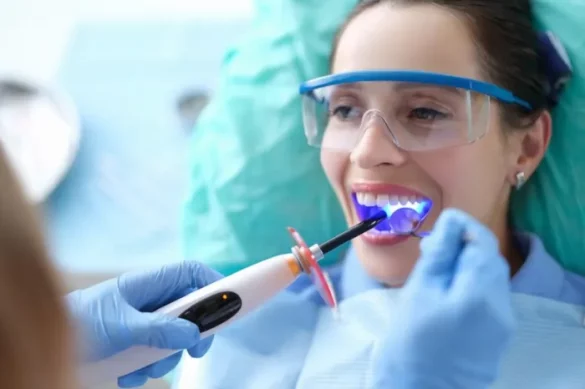
Dentists start the bonding system through making ready the teeth. This education commonly includes barely roughening the teeth floor and making use of a conditioning liquid to assist the resin adhere better. The composite resin is then located at the teeth, formed and sculpted to acquire the favored form, and hardened the use of a unique ultraviolet light. After the resin has cured, the dentist can also additionally similarly modify and varnish the bonded region to ensure it blends in flawlessly with the herbal teeth and does now no longer intervene with the patient’s bite.
What Dental Issues Can Bonding Address?
Dental bonding is a flexible answer geared toward correcting numerous minor dental concerns:
1. Chipped or Cracked Teeth
Bonding can restore cracks or chips that arise from biting some thing difficult or experiencing minor dental trauma. The dentist makes use of the resin to fill withinside the broken portion, restoring the teeth’s herbal shape.
2. Gaps Between Teeth
For sufferers with small areas or gaps among their tooth, bonding can near those areas for a extra even and appealing smile.
3. Tooth Discoloration
If tooth are stained or discolored because of coffee, tea, tobacco, or aging, bonding can masks those stains, supplying a whiter and more healthy appearance.
4. Short or Misshapen Teeth
Dental bonding could make quick tooth seem longer or reshape tooth that don’t fit the relaxation of the smile, improving usual facial aesthetics.
5. Amalgam Filling Replacement and Other Uses
Dentists can also additionally use bonding as an opportunity to silver amalgam fillings for a extra herbal look. Bonding also can cowl uncovered teeth roots that once in a while get up from receding gums.
Why Do Dentists Recommend Bonding?
Minimally Invasive
Dentists suggest bonding as it calls for little to no elimination of the herbal teeth structure, in contrast to crowns and veneers which can want extra competitive education.
Cost-Effective Solution
Bonding is extra lower priced than many different beauty dental treatments. This gain makes it reachable to maximum sufferers, along with kids who would possibly want transient beauty development for his or her infant tooth.
Quick Results
The method can frequently be finished in a single visit, making it green for sufferers with busy schedules.
Versatility
Dentists admire bonding’s versatility. The fabric may be molded to suit the shape, size, and shadeation of the patient’s tooth, making it appropriate for a whole lot of minor beauty corrections.
Who Is a Candidate for Dental Bonding?
While dental bonding can advantage many people, dentists cautiously compare every case to decide whether or not this method is ideal. It is satisfactory desirable for sufferers with minor imperfections that don’t have an effect on the general fitness or characteristic of the tooth. For excessive damage, structural weakness, or main beauty transformation, a dentist might also additionally advise extra long lasting answers like crowns or veneers.
Limitations and Risks of Dental Bonding
While dental bonding gives severa benefits, it’s far important to recognize its limits and risks:
Durability
The composite resin utilized in bonding isn’t always as robust as herbal teeth enamel. It is much more likely to chip, break, or stain, specifically while uncovered to difficult or sticky meals, tooth grinding, or common intake of staining substances.
Maintenance
Bonded tooth require right care. Dentists advocate sufferers to keep away from difficult items like ice, pencils, or fingernails. Eating much less of food and drink that may stain—together with coffee, pink wine, or berries—will assist hold the bonding’s look.
Lifespan of Bonded Teeth
With precise oral hygiene practices and life-style adjustments, the effects of dental bonding normally closing among 3 and ten years. Over time, touch-ups or replacements can be vital to preserve the smile searching its satisfactory.
Not Suitable for Large Repairs
Dentists frequently reserve bonding for tooth that don’t come across excessive chew pressures, together with the front tooth. For large cracks, substantial decay, or regions concern to widespread force, more potent substances are preferable.
Caring for Bonded Teeth
Daily care is prime for keeping the integrity and look of bonded tooth. Dentists advocate the subsequent conduct:
- Brush lightly two times an afternoon with a soft-bristled toothbrush and non-abrasive toothpaste
- Floss as soon as an afternoon
- Visit your dentist often for check-ups and expert cleaning
- Avoid difficult meals and items
- Minimize intake of staining drinks and tobacco
- Wear a mouthguard for the duration of touch sports activities or a nightguard in case you grind your tooth
These conduct can notably lengthen the existence of bonded tooth and hold oral fitness.
Is Dental Bonding Reversible?
One benefit of bonding is its reversibility. Dentists can get rid of or update the resin with out giant damage to the underlying enamel structure. If a affected person needs to pursue a extra everlasting answer withinside the future, consisting of a veneer or crown, the transition is typically straightforward.
How Does Bonding Compare with Other Dental Treatments?
Dental bonding, veneers, and crowns all serve beauty and restorative features however vary in substances, preparation, price, and durability.
- Bonding: Uses composite resin, minimally invasive, decrease price, shorter lifespan, brief to complete.
- Veneers: Thin porcelain shells, require extra enamel preparation, price extra, provide longer-lasting and extra dramatic results.
- Crowns: Most durable, regularly used for giant harm or decay, covers the complete enamel, extra high-priced and invasive.
Dentists will manual sufferers to the precise answer primarily based totally on their scientific desires, expectations, and budget.
Expert Opinion: Do Dentists Recommend Bonding?
Most dentists do propose bonding for sufferers with appropriate indications, specifically for correcting minor beauty imperfections speedy and affordably. Dentists additionally cost bonding as a manner to provide extra protection, consisting of masking uncovered roots and changing vintage fillings in less-confused tooth. However, dentists emphasize that bonding isn’t a one-size-fits-all answer. They verify every affected person’s desires and oral fitness earlier than creating a recommendation, constantly prioritizing lengthy-time period fitness and function. If the problem is sizable or purposeful balance is at risk, dentists will endorse opportunity treatments.
Conclusion
Dental bonding is one of the maximum extensively advocated strategies for solving minor beauty and structural dental issues. It gives a minimally invasive, price-effective, and green answer that may assist repair self assurance to your smile. Dentists advocate bonding for sufferers whose dental issues are slight and who’re organized to take care of their bonded tooth properly. As with any dental treatment, session with a certified dentist is critical to decide the maximum suitable alternative on your particular case.
Frequently Asked Questions
How lengthy does dental bonding last?
Most dental bonding lasts among 3 and ten years, relying on care, lifestyle, and the bonding’s region withinside the mouth.
Is dental bonding painful?
Dental bonding is commonly painless and won’t require anesthesia until the manner covers a place with enamel sensitivity.
Can dental bonding be redone?
Yes, dental bonding may be eliminated or changed as needed.
Does dental bonding appearance natural?
Modern dental bonding substances offer a natural, enamel-coloured end result that blends seamlessly with the relaxation of your smile.