


Gum disease is one of the most common oral health problems worldwide. Many adults experience bleeding gums, swelling, or bad breath at some point in life. Because professional dental care can be costly or difficult to access, people often search for home remedies. One frequently discussed method is brushing with baking soda and hydrogen peroxide. This article aims to answer a simple but important question. Does brushing with baking soda and peroxide help gum disease? The content explains how gum disease develops, how baking soda and peroxide work, what science says, and what dentists recommend for safe gum care.
What Is Gum Disease?
Gum disease is an inflammatory condition affecting the tissues that support the teeth. It is mainly caused by plaque buildup. Plaque is a sticky film of bacteria. When plaque is not removed, it hardens into tartar. Tartar irritates the gums and triggers inflammation. Over time, this inflammation damages gum tissue and bone.
Stages of Gum Disease
Gum disease develops in stages. Each stage has different symptoms and risks.
Gingivitis
Gingivitis is the earliest stage. Gums become red and swollen. Bleeding occurs during brushing or flossing. There is usually no bone loss at this stage. Gingivitis is reversible with proper oral hygiene.
Periodontitis
Untreated gingivitis can progress to periodontitis. The gums pull away from the teeth. Pockets form and trap bacteria. Bone loss begins. Teeth may loosen over time. Periodontitis is not fully reversible and requires professional treatment.
Why People Use Home Remedies for Gum Disease
Many people seek home treatments for gum problems. Cost concerns play a role. Fear of dental visits also matters. Online advice spreads quickly. Baking soda and peroxide are easy to find. They are inexpensive and familiar household products.
This makes them attractive options for self-care.
What Is Baking Soda?
Baking soda is sodium bicarbonate. It is a mild alkaline compound. It has been used for cleaning, cooking, and oral hygiene for decades. Some toothpastes include baking soda as an ingredient.
How Baking Soda Works in the Mouth
Baking soda neutralizes acids. Oral bacteria produce acids that irritate gums and damage enamel. Baking soda raises pH levels. It also has mild abrasive properties. These properties help remove surface stains and plaque.
Potential Benefits of Baking Soda for Gums
Baking soda may reduce plaque levels. It may lower acidity in the mouth. It may create an environment less favorable for bacteria. These effects can support gum health when used correctly.
What Is Hydrogen Peroxide?
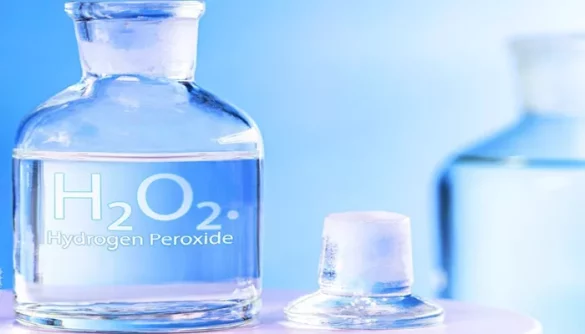
Hydrogen peroxide is a chemical compound made of water and oxygen. It is commonly used as an antiseptic. In dentistry, low concentrations are used for whitening and infection control.
How Hydrogen Peroxide Works Orally
Hydrogen peroxide releases oxygen. Oxygen disrupts anaerobic bacteria. Many gum disease bacteria cannot survive in oxygen-rich environments. Peroxide also has mild disinfecting properties.
Potential Benefits of Hydrogen Peroxide for Gums
Hydrogen peroxide may reduce bacterial load. It may help control bad breath. It may assist in reducing inflammation when used in safe concentrations.
Why People Combine Baking Soda and Peroxide
When combined, baking soda and hydrogen peroxide form a foaming paste. This paste feels active and cleansing. People believe the combination enhances antibacterial effects. Many online sources promote this mixture as a natural gum disease treatment.
Does Brushing with Baking Soda and Peroxide Help Gum Disease?
The answer depends on the severity of gum disease and how the mixture is used. For mild gingivitis, this method may provide limited benefits. For moderate or advanced gum disease, it is not a cure.
Effects on Plaque and Bacteria
Baking soda can help disrupt plaque mechanically. Hydrogen peroxide can reduce bacteria temporarily. Together, they may reduce surface bacteria. This can improve gum appearance in the short term.
Effects on Inflammation
Reduced bacterial levels may decrease inflammation. Some people notice less redness and bleeding. These effects are usually mild and temporary.
What Scientific Evidence Says
Studies show baking soda toothpaste can reduce plaque more effectively than non-baking soda toothpaste. Research on hydrogen peroxide mouth rinses shows antibacterial benefits. However, there is limited evidence supporting homemade mixtures as a treatment for gum disease. Professional treatments remain more effective.
Limitations of Baking Soda and Peroxide for Gum Disease
This home remedy has clear limitations. It does not remove tartar. It does not treat deep gum pockets. It does not restore lost bone or tissue.
No Effect on Hardened Tartar
Tartar cannot be removed by brushing alone. Dental instruments are required. Baking soda does not dissolve tartar.
Limited Reach Below the Gumline
Gum disease bacteria live below the gumline. Brushing only cleans surfaces. Deep infection remains untreated.
Risks of Brushing with Baking Soda and Peroxide
Improper use can cause harm. Natural does not always mean safe.
Enamel Wear
Baking soda is abrasive. Frequent or aggressive brushing can wear enamel. Enamel loss increases sensitivity and decay risk.
Gum Irritation
Hydrogen peroxide can irritate soft tissues. High concentrations can cause burns. Even low concentrations can cause discomfort if overused.
Altered Oral Microbiome
Excessive antibacterial use can disrupt healthy bacteria. A balanced oral microbiome supports gum health.
Safe Use Guidelines If People Choose This Method
Dentists generally do not recommend homemade mixtures. If someone still chooses to try it, safety matters.
Proper Concentration
Only use 3 percent hydrogen peroxide. Never use industrial or higher-strength solutions.
Limited Frequency
Use no more than once or twice per week. Daily use increases risk.
Gentle Brushing Technique
Use a soft-bristled toothbrush. Apply minimal pressure.
Rinse Thoroughly
Always rinse with water after brushing. Do not swallow peroxide.
Dentist-Recommended Alternatives for Gum Disease
Professional care provides proven results. Home care should support, not replace, dental treatment.
Fluoride Toothpaste
Fluoride strengthens enamel. It helps prevent decay near the gumline.
Antibacterial Mouthwash
Clinically tested mouthwashes reduce plaque and gingivitis. Some contain chlorhexidine or essential oils.
Daily Flossing or Interdental Cleaning
Floss removes plaque between teeth. Interdental brushes can be more effective for some adults.
Professional Dental Cleaning
Scaling removes tartar above and below the gumline. This is essential for gum disease control.
When to See a Dentist
Home remedies should not delay professional care.
Persistent Bleeding Gums
Bleeding that lasts more than two weeks needs evaluation.
Loose Teeth or Gum Recession
These signs indicate advanced disease.
Chronic Bad Breath
Ongoing odor may signal infection.
Can Baking Soda and Peroxide Prevent Gum Disease?
They may support plaque control when used occasionally. They cannot replace daily brushing, flossing, and professional care. Prevention depends on consistent oral hygiene and regular dental visits.
Common Myths About Baking Soda and Peroxide
Myth: Natural Means Risk-Free
Natural substances can still cause damage.
Myth: Whiter Teeth Mean Healthier Gums
Whitening does not equal disease control.
Professional Dental Perspective
Most dentists acknowledge limited benefits. They emphasize caution. Baking soda toothpaste is safer than homemade mixtures. Hydrogen peroxide should be professionally guided.
Long-Term Gum Health Strategies
Gum health requires consistency.
Balanced Diet
Low sugar intake reduces bacterial growth.
Quit Smoking
Smoking increases gum disease risk.
Regular Dental Checkups
Early detection prevents complications.
Does Brushing with Baking Soda and Peroxide Help Gum Disease?
Brushing with baking soda and peroxide may offer short-term improvements for mild gingivitis. It can reduce surface bacteria and plaque. However, it does not cure gum disease. It does not replace professional dental treatment. Improper use carries risks. For safe and effective gum care, dentist-approved products and regular cleanings remain the gold standard.
Conclusion
The idea of using baking soda and hydrogen peroxide for gum disease is understandable. It is affordable and accessible. Science shows limited benefits and real risks. Mild cases may see temporary improvement. Moderate to severe gum disease requires professional care. Informed decisions protect both gums and teeth. Always consult a dental professional before relying on home remedies.