


Periodontitis is a serious gum infection that damages the soft tissue and destroys the bone that supports your teeth. It can lead to tooth loss if untreated. The condition typically develops from untreated gingivitis and is caused by bacterial buildup along the gumline. Symptoms include swollen gums, bleeding during brushing, bad breath, and gum recession.
Gum recession is a key problem in periodontitis. It exposes the roots of teeth, making them sensitive and vulnerable to decay. Traditional treatment focuses on controlling infection and preventing further damage. This can include scaling and root planing, antibiotics, and improved oral hygiene. However, for significant gum recession, additional procedures such as gum grafting may be considered.
Understanding Gum Grafting
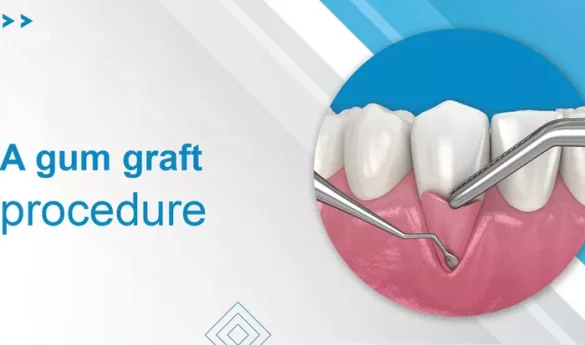
Gum grafting is a surgical procedure used to restore lost gum tissue. It involves taking tissue from another part of your mouth, often the palate, or using donor tissue, and attaching it to areas where gums have receded. The goal is to cover exposed roots, reduce sensitivity, and protect teeth from further damage.
There are several types of gum grafts:
Connective Tissue Grafts
These are the most common type. Tissue is taken from beneath the palate and stitched over the exposed tooth root. This method provides a natural appearance and strong attachment.
Free Gingival Grafts
Tissue is taken directly from the palate and attached to the receded area. This type is often used to increase the amount of gum tissue rather than for coverage alone.
PEDICLE GRAFTS
In this method, tissue from the gum near the affected tooth is partially cut and pulled over the exposed root. This is suitable when there is sufficient nearby tissue.
Does Gum Grafting Help Periodontitis
How Gum Grafting Helps Periodontitis
Gum grafting can benefit patients with periodontitis in several ways. While it does not treat the infection itself, it addresses the structural problems caused by the disease. Key benefits include:
Protecting Exposed Roots
Exposed roots are highly susceptible to decay and sensitivity. Gum grafting covers these roots, reducing the risk of further damage and improving oral comfort.
Preventing Further Gum Recession
By adding tissue to vulnerable areas, gum grafting strengthens the gums. This reduces the likelihood of additional recession and protects underlying bone structure.
Improving Gum Health
Healthy gum tissue acts as a barrier to bacteria. Gum grafting restores this protective layer, making it easier to maintain oral hygiene and reduce the risk of reinfection.
Enhancing Aesthetics
Periodontitis often causes uneven gums and exposed tooth roots, affecting appearance. Gum grafting restores natural gum contours, improving both smile aesthetics and patient confidence.
Who Is a Candidate for Gum Grafting?
Not all periodontitis patients require gum grafting. Dentists evaluate several factors before recommending the procedure:
Severity of Gum Recession
Patients with significant root exposure or multiple areas of recession are more likely to benefit from grafting. Minor gum recession can often be managed with non-surgical care.
Overall Oral Health
Good oral hygiene is essential before and after grafting. Patients with uncontrolled periodontitis or active infections may need initial treatment before undergoing surgery.
Bone Support
Grafting is more successful when there is adequate underlying bone. Severe bone loss may require additional procedures such as bone grafting to support the gums.
Patient Health and Lifestyle
Smoking, uncontrolled diabetes, or other health conditions can affect healing. Dentists consider these factors before recommending gum grafting.
Gum Grafting Procedure
The procedure is typically done under local anesthesia. Here’s a step-by-step overview:
Step 1: Preparing the Donor Site
If connective tissue is taken from the palate, the dentist prepares the donor site carefully to minimize discomfort and bleeding.
Step 2: Preparing the Recipient Site
The receded area is cleaned and prepared. Diseased tissue may be removed to ensure a healthy base for the graft.
Step 3: Placing the Graft
The harvested tissue is positioned over the exposed roots and stitched securely. The graft must be stable to integrate properly.
Step 4: Postoperative Care
Patients are given instructions for care, including gentle brushing, using special mouth rinses, and avoiding certain foods. Healing typically takes a few weeks, and follow-up visits are crucial.
Recovery and Results
Recovery from gum grafting is gradual. Common experiences include mild discomfort, swelling, and sensitivity at the surgical sites. Pain is generally manageable with over-the-counter medication or prescribed analgesics.
Monitoring Healing
Graft integration is checked during follow-up visits. Success depends on proper oral hygiene and avoiding trauma to the area.
Long-Term Benefits
When successful, gum grafting restores gum thickness, reduces sensitivity, protects tooth roots, and improves appearance. Patients often report easier oral care and enhanced confidence in their smile.
Limitations and Considerations
While gum grafting is beneficial, it is not a cure for periodontitis. Patients must continue regular dental care, including professional cleanings and proper oral hygiene, to control the underlying infection.
Possible Complications
Although rare, complications may include graft failure, infection, or prolonged swelling. Smoking and poor oral hygiene increase these risks.
Cost and Insurance
Gum grafting can be expensive. Insurance coverage varies. Some plans may cover part of the procedure if it is deemed medically necessary. Patients should verify coverage with their provider.
Alternative Treatments
Other options include pinhole surgical technique, tissue-stimulating proteins, and guided tissue regeneration. Dentists may combine these approaches with grafting for optimal results.
Maintaining Gum Health After Grafting
Long-term success relies on careful oral care. Key steps include:
Daily Oral Hygiene
Brush twice a day with a soft-bristled toothbrush. Floss gently to avoid damaging healing tissues.
Regular Dental Visits
Professional cleanings and periodontal checkups help prevent recurrence of periodontitis.
Lifestyle Choices
Avoid smoking and limit sugary foods. Maintain a balanced diet to support gum health.
Monitoring Symptoms
Report any unusual swelling, bleeding, or pain to your dentist promptly. Early intervention can prevent complications.
Conclusion
Gum grafting is a valuable procedure for patients with periodontitis who experience significant gum recession. It helps protect tooth roots, reduce sensitivity, and restore aesthetics. While it does not treat the infection itself, it strengthens the gums and supports overall oral health. Proper patient selection, careful surgical technique, and diligent postoperative care are essential for success.
Ultimately, gum grafting can be an effective component of comprehensive periodontitis management. Patients benefit most when grafting is combined with ongoing professional care, excellent oral hygiene, and lifestyle adjustments.