


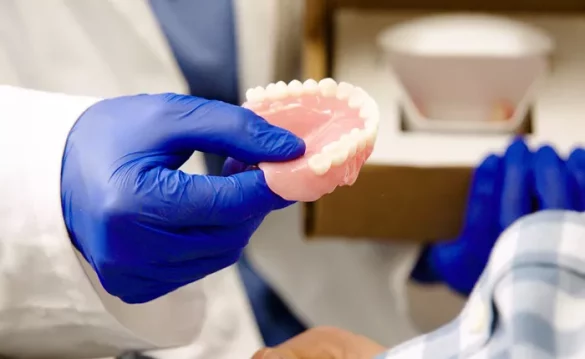
Dentures are essential for people who have lost teeth. They restore the ability to chew, speak, and smile confidently. However, dentures can be expensive, and many patients wonder if Medicare or Medicaid covers them. Understanding what these programs pay for is crucial for budgeting and planning dental care.
Understanding Medicare
Medicare is a federal health insurance program primarily for people aged 65 or older and certain younger individuals with disabilities. It is divided into parts: Part A, Part B, Part C, and Part D. Each part covers different healthcare services.
Medicare Part A
Medicare Part A covers hospital stays and some inpatient procedures. Dentures and routine dental care are not included under Part A. If dentures are needed during a hospital stay due to a medical condition, coverage might be considered in rare cases, but this is uncommon.
Medicare Part B
Part B covers outpatient care and preventive services. Like Part A, Part B generally does not pay for dentures. Exceptions may exist if dental procedures are medically necessary for certain treatments, such as reconstruction following oral surgery or injury.
Medicare Advantage (Part C)
Medicare Advantage plans are offered by private insurers approved by Medicare. Some plans may include dental benefits, including partial coverage for dentures. However, coverage varies widely. Patients should carefully check plan details before enrolling.
Medicare Part D
Part D covers prescription drugs, not dental services. Dentures are not included. However, some related medications, like antibiotics for oral infections, may be partially covered under Part D.
Understanding Medicaid
Medicaid is a joint federal and state program that provides health coverage to eligible low-income individuals. Unlike Medicare, Medicaid often includes dental coverage, including dentures, but the extent varies by state.
Eligibility for Medicaid
Medicaid eligibility depends on income, household size, age, and disability status. Children, pregnant women, and adults in certain low-income brackets may qualify. Elderly adults and people with disabilities are often covered under specialized programs that include dental care.
State Variations in Coverage
Each state determines its Medicaid dental benefits. Some states provide full coverage for dentures, while others cover partial costs or only specific types of dentures. For example, certain states may only cover complete dentures but not partial dentures.
Medicaid Dental Benefits for Adults
While pediatric dental services are mandatory under Medicaid, adult dental coverage is optional. Many states include dentures as part of adult dental services. Eligibility, frequency, and type of dentures covered depend on the state Medicaid plan.
Medicaid Dental Benefits for Children
Children are guaranteed dental services under the Early and Periodic Screening, Diagnostic, and Treatment (EPSDT) benefit.
Dentures may be covered if they are medically necessary, such as replacing missing teeth due to congenital conditions, accidents, or decay.
What Types of Dentures May Be Covered?
Coverage may vary depending on the type of denture needed. Common options include:
Complete Dentures
Complete dentures replace all teeth in the upper or lower jaw. Some Medicaid programs fully cover complete dentures if the patient meets medical criteria.
Partial Dentures
Partial dentures replace several missing teeth and attach to remaining natural teeth. Coverage for partial dentures is less consistent and may be limited to specific medical needs.
Implant-Supported Dentures
Implant-supported dentures are more expensive and generally considered elective. Medicare and most Medicaid programs do not cover implants, except in rare cases when medically necessary.
Costs and Payment Options
Even if Medicare does not cover dentures, patients have options to reduce costs.
Medicaid Payment Assistance
Eligible Medicaid recipients may have dentures fully or partially covered. Co-pays may apply depending on state rules.
Medicare Advantage Plans
Some Medicare Advantage plans offer dental add-ons. Monthly premiums may increase, but the plan may pay for routine dentures and maintenance.
Dental Discount Plans
Dental discount plans offer reduced prices on dentures. They are not insurance but provide cost savings on lab fees, fittings, and maintenance.
Nonprofit and Community Clinics
Some nonprofit organizations and community dental clinics provide low-cost dentures. Eligibility may depend on income and local residency.
Steps to Determine Coverage
Patients should follow these steps to confirm coverage:
1. Check Your Medicare Plan
Contact your Medicare provider or review plan documents to see if dental benefits are included. Look for Medicare Advantage options with dental coverage.
2. Review State Medicaid Dental Benefits
Visit your state Medicaid website to understand what dentures are covered and under what conditions. Each state publishes a dental benefits summary for adults and children.
3. Consult Your Dentist
Your dentist can provide a written estimate and indicate if the procedure is medically necessary, which may help with insurance approval.
4. Explore Alternative Financing
If coverage is limited, consider dental loans, payment plans, or discount programs to make dentures affordable.
Tips for Saving on Dentures
Compare Medicare Advantage Plans
Look for plans that include dental coverage. Even if premiums are higher, the overall cost may be lower than paying out-of-pocket for dentures.
Check Medicaid Eligibility Annually
State rules and coverage options change. Review eligibility and benefits each year to ensure you are getting all available support.
Ask About Payment Plans
Many dental offices provide installment plans. This can spread the cost of dentures over several months, reducing immediate financial burden.
Consider Nonprofit Denture Programs
Some charitable organizations offer free or low-cost dentures to eligible seniors and low-income adults. Research local dental nonprofits for assistance.
Negotiate Lab Fees
Dental labs may offer discounts if dentures are paid upfront or if multiple dentures are ordered simultaneously.
FAQs
Are Dentures Covered for Seniors on Medicare?
Standard Medicare does not cover dentures. Some Medicare Advantage plans may offer partial or full coverage. Seniors should compare plans to find one with dental benefits.
Does Medicaid Cover Dentures for Low-Income Adults?
Coverage varies by state. Many states provide complete denture coverage if medically necessary. Partial dentures may be limited or not included.
Are There Age Limits for Denture Coverage?
Medicaid typically covers eligible adults and children based on income and medical need. Medicare does not impose age limits but generally excludes routine dental care.
Can I Get Dental Coverage Added to Medicare?
You cannot add dental coverage to Original Medicare. You can choose a Medicare Advantage plan with dental benefits or purchase a separate dental insurance policy.
Conclusion
Medicare does not typically pay for dentures, except in rare cases through certain Medicare Advantage plans. Medicaid may cover dentures, but coverage varies by state and eligibility criteria. Patients should research plan options, state rules, and alternative financing methods. Consulting a dentist and reviewing insurance details can ensure that dentures are affordable and accessible. Understanding the rules helps patients make informed decisions and maintain oral health effectively.