


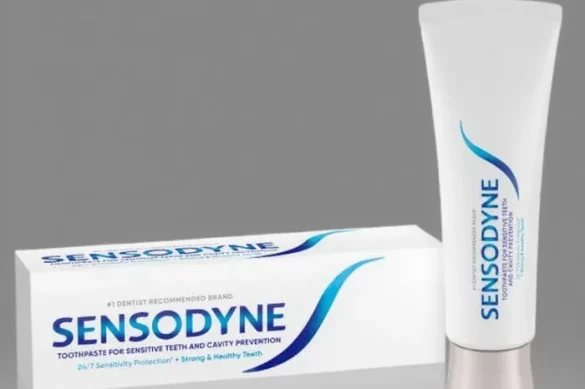
Many people want whiter teeth but worry about sensitivity or damage. Sensodyne Whitening Toothpaste is often suggested as a solution. Many claim it gives them a brighter smile without causing pain. But does Sensodyne Whitening Toothpaste actually work, and if so, how?
How Does Sensodyne Whitening Toothpaste Work?
Sensodyne Whitening Toothpaste is specially designed for people with sensitive teeth. Tooth sensitivity happens when the nerves in teeth react to hot or cold foods, drinks, or even air. Sensodyne uses ingredients like potassium nitrate or stannous fluoride to block these signals, reducing discomfort. But whitening is a separate concern. How does Sensodyne address tooth color?
The whitening part of Sensodyne does not work like professional bleach treatments. Instead, it removes surface stains from the teeth. Everyday foods, drinks like coffee, and smoking cause these stains. By brushing regularly, Sensodyne can gently polish away these marks. It uses ingredients like hydrated silica, an abrasive, to scrub stains. This alone can make teeth appear whiter and regain a more natural color. But it does not change the actual tooth shade underneath the enamel.
Is Sensodyne Whitening Toothpaste Effective?
According to dentists and user experiences, Sensodyne Whitening Toothpaste can provide visible results. For example, reviews highlight that Sensodyne Pronamel Gentle Whitening scored as one of the best whitening toothpastes in recent tests. Users with sensitive teeth notice their teeth are less painful and look cleaner after regular use. Some people, after months of brushing, see a noticeably whiter smile. However, dentists agree it does not provide dramatic whitening like in-office treatments. Its main power is removing surface stains, not deeply bleaching teeth.
The Science Behind Sensodyne’s Whitening Claims
Dentists explain that most over-the-counter whitening toothpastes, including Sensodyne, rely on mechanical action. Abrasives buff away stain particles attached to the enamel. Sensodyne contains hydrated silica as its main stain-removing agent. Some formulas may add sodium hydroxide to boost cleaning, but these are considered gentle enough for sensitive teeth. There are no strong bleaching agents in Sensodyne Whitening Toothpaste—just low-level cleaning components that make the color of teeth closer to their natural shade.
Sensodyne also focuses on enamel protection. Enamel is the hard outer layer of tooth structure. Aggressive whitening products can damage enamel, making teeth more sensitive. Sensodyne uses a formula developed to be mild, avoiding harsh ingredients and helping to rebuild enamel. Regular use is considered enamel-safe and supports oral health alongside whitening benefits.
Comparing Sensodyne to Other Whitening Toothpastes
Many whitening toothpastes on the market promise quick and dramatic results. Products may use peroxide, strong chemicals, or even charcoal for whitening. While these can lighten teeth faster, they often come with side effects like gum irritation and increased sensitivity. Sensodyne avoids aggressive chemicals. Its gradual, gentle formula makes it a favorite for those who want safer, longer-term results.
For example, Sensodyne Extra Whitening does not deliver instant results. Users often report it takes weeks or months to see changes. However, because it does not cause pain, most users continue using it daily—leading to better outcomes over time. Other brands may achieve visible whitening faster but risk damage to gum tissue or enamel.
Who Should Use Sensodyne Whitening Toothpaste?
Sensodyne Whitening Toothpaste is ideal for people with frequent tooth sensitivity. If you are sensitive to hot, cold, or sweet foods, Sensodyne can help block pain and slowly improve tooth color. It is also a good option for those who drink a lot of coffee, tea, or wine. These habits lead to stubborn surface stains, and Sensodyne’s gentle cleaning agents can remove them over time.
However, people expecting dramatic whitening should be realistic about results. Sensodyne is not the same as dental whitening treatments performed by professionals. It is not a substitute for products containing hydrogen peroxide or carbamide peroxide, which can change the natural color of the teeth. For genuine whitening—especially for deep stains—visiting a dentist for customized treatment is best.
Safety and Potential Side Effects
One important advantage of Sensodyne Whitening Toothpaste is its safety profile. Many over-the-counter whitening products can be harsh, causing enamel wear and gum irritation. Sensodyne’s ingredients are mild and formulated to reduce the risk of sensitivity. People who have had bad experiences with other whitening products often report no discomfort with Sensodyne.
Dentists caution against overusing any whitening toothpaste, including Sensodyne. While abrasives help clean stains, excessive scrubbing can slowly wear away enamel. This can make teeth more fragile or sensitive. It is best to use the toothpaste as directed—usually twice a day—and to avoid additional harsh DIY whitening methods.
What Results Can You Expect?
In most cases, users can expect gradual improvement in tooth color. Teeth may become one or two shades lighter—not strikingly white, but visibly brighter than before. Results depend on factors such as starting tooth color, level of staining, brushing performance, and diet. People who stick to regular use over several months report happier smiles and less discomfort.
The toothpaste does not provide immediate, dramatic results. Change is slow, but consistent use is key. If stains are severe or if immediate whitening is needed, dental treatments may be necessary.
Expert Opinions on Sensodyne Whitening Toothpaste
Dental experts generally recommend Sensodyne Whitening Toothpaste for those who need sensitive care and stain removal. While it may not offer the fastest whitening, its safety and gentleness are unmatched. Dentists stress that restoring enamel health and comfort is often more important than achieving overly white teeth. Sensodyne delivers on these points by creating a toothpaste that balances cleaning, protection, and mild whitening benefits.
Some dental professionals note that children and adults have naturally different tooth shades. Teeth become yellower with age due to enamel wear and dentin exposure. Sensodyne cannot change these natural features but helps remove temporary discoloration from lifestyle habits.
Conclusion
Sensodyne Whitening Toothpaste is not a miracle whitening cure, but it is a well-balanced choice for people with sensitive teeth who want a brighter smile. Its main effect is gently removing surface stains through safe abrasives, not chemically bleaching the tooth itself. Consistent, long-term use can result in a whiter and healthier smile, especially if complemented by good dental habits. For those looking for safe, reliable improvements—rather than instant or dramatic whitening—Sensodyne is an excellent option.
Frequently Asked Questions
1. Does Sensodyne Whitening Toothpaste really whiten teeth?
Sensodyne Whitening Toothpaste whitens teeth by removing surface stains. It does not bleach the teeth, but teeth will look brighter and cleaner.
2. How quickly will I see results with Sensodyne Whitening Toothpaste?
Results can take weeks or even months. Consistent use leads to gradual improvements.
3. Is Sensodyne safe for daily use?
Yes. Sensodyne is formulated to be gentle on enamel and safe for people with sensitive teeth. Use as directed for best results.
4. Can Sensodyne Whitening Toothpaste replace professional whitening treatments?
No. It is less strong than dentist whitening treatments. It is a good choice for stain removal and sensitivity relief but does not change your natural tooth color.
5. Are there any side effects?
Most people do not experience side effects. Overuse of any abrasive toothpaste can cause enamel wear, so follow usage instructions closely.