


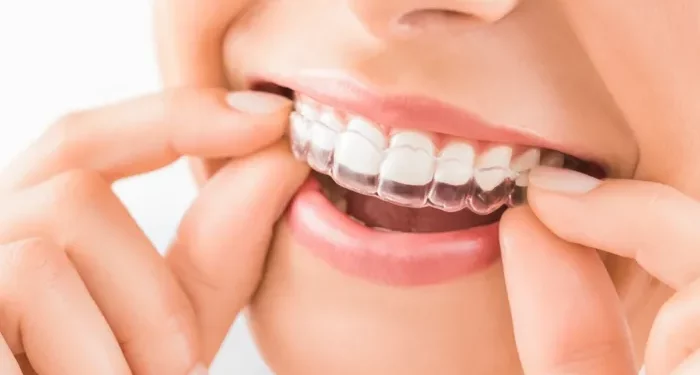
Clear aligner orthodontic treatments are experiencing remarkable growth and innovation as global demand rises for discreet, comfortable solutions to straighten teeth. Industry leaders, including Dentsply Sirona and Dreve, are actively developing new materials and technologies that promise to advance both the effectiveness and accessibility of aligner therapy for patients.
Dentsply Sirona, recognized as the world’s largest manufacturer of dental products, has partnered with Dreve, a company well-known for its expertise in orthodontic materials and thermoforming. Together, they are moving forward in the clinical evaluation of Primeprint Direct Aligner resin, a newly FDA-cleared material made for the Primeprint 3D printing system. While the resin is not yet available for sale, early tests conducted with the University of Ulm have revealed that it offers excellent recovery characteristics, suggesting potential improvements in patient comfort and treatment outcomes. The companies are now embarking on in vitro and in vivo studies to confirm these promising results and decide how best to integrate the resin into digital orthodontic workflows such as Primeprint and SureSmile.
This wave of innovation is mirrored by rapid expansion in the clear aligner market. Recent analysis projects the industry to grow at an annual rate of 29.3% through 2031, with North America accounting for over half of the market share. The growth is fueled by increasing awareness of aesthetic dental options, the prevalence of malocclusion, rising adoption among adults who want more subtle orthodontic treatment, and technological advances like AI-driven planning and 3D printing. Direct-to-consumer models, such as SmileDirectClub, are helping to make aligner treatments more accessible, especially in emerging markets.
Major companies like Align Technology, Straumann Group, and 3M have all launched new products or updated platforms to improve the efficiency, customization, and comfort of clear aligner treatment. New materials, such as polyurethane plastics, offer greater durability and flexibility. Companies are also integrating smart features such as embedded sensors and predictive analytics, giving patients and clinicians better oversight of treatment progress. AI-driven software is streamlining treatment planning and enabling virtual monitoring, which can help reach patients who may not have easy access to orthodontic clinics.
Despite these advancements, the industry faces challenges. High treatment costs and limited insurance coverage remain barriers for broader patient adoption. Regulatory concerns with direct-to-consumer solutions require careful clinical oversight, and supply chain disruptions can affect the availability of key materials. Competition from lower-cost brands is pushing leading companies to invest further in research and development to maintain their edge.
The future of clear aligner orthodontics is set to be shaped by continued technological innovation, growing demand in both developed and emerging markets, and expanding options for personalized dental care. As clinical evidence for new materials is gathered, patients can expect more comfortable, effective solutions for achieving their desired smile.
Tags: dental careorthodonticorthodontic treatmentorthodonticsteeth